 Karmandir
Jwalamukhi Shakti Peeth (Jwala Ji)
Jawalamukhi, Kangra district, Himachal Pradesh
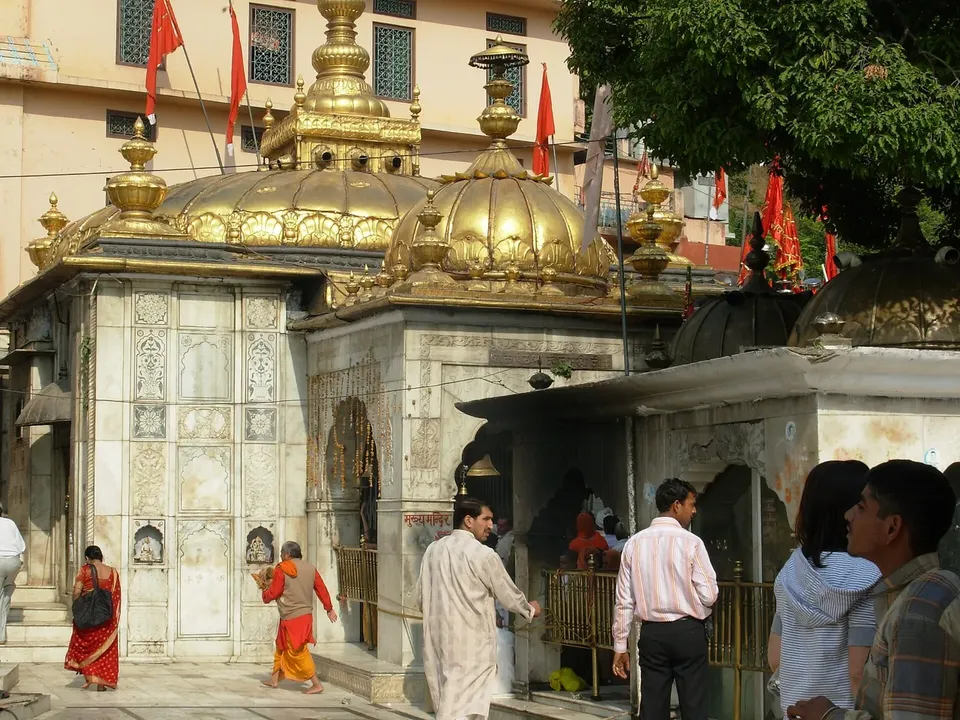
Traditions differ: The Jwala Devi temple at Shaktinagar in Sonbhadra district, Uttar Pradesh, is also believed by its devotees to be the place where the tongue of Devi Sati fell. Both temples are honoured.
About
Jwala Ji, in the town of Jawalamukhi in Kangra district, is one of the best-known Shakti Peeths of North India. There is no murti here: the Devi is worshipped as flames that burn without stopping from cracks in the rock of the sanctum. Nine flames are honoured as nine forms of the Mother, and the main flame, in a square pit of stone, is honoured as Mahakali. By tradition the tongue of Devi Sati fell here; the Devi is called Siddhida (Ambika) and the Bhairav Unmatt. The temple has a gilded dome and a silver-plated folding door, and it looks out towards the Dhauladhar range.
The story
In the Shakti Peeth story, after the sorrowful events at King Daksha's yagya, Shiv ji wandered in grief with Devi Sati's body until Vishnu ji's Sudarshan chakra divided it. Her tongue is believed to have fallen in these hills, where it shines as flame.
A local story says a cowherd once noticed that one of his cows gave no milk. Following her, he saw a young girl come out of the forest, drink the milk and vanish in a flash of light. Some time later he saw a flame burning in the hills. Raja Bhumi Chand Katoch of Kangra, a devotee of the Devi, had the spot traced, saw the flame himself and built a temple there. The best-known legend is of the Mughal emperor Akbar. Hearing of the flames, he tried to put them out with iron covers and a stream of water, but they kept burning. Humbled, he offered a golden chhatra (umbrella), which devotees say turned into another metal. Scientists explain the flames as natural gas escaping from the rock; for devotees they are the Mother's living light.
Visiting
The temple is open all year; March to June is a good time to go, and the Navratri melas bring the biggest crowds. It stands on a low hill, so there is a short climb by steps. Jawalamukhi is about 35 km south of Kangra and about 55 km from Dharamshala. Many pilgrims combine it with Maa Bajreshwari at Kangra and with Chintpurni.
Festivals
- Chaitra and Ashwin (Sharad) Navratri melas
- Sawan (Shravan) Navratri mela, in July or August
51 Shakti Peeths
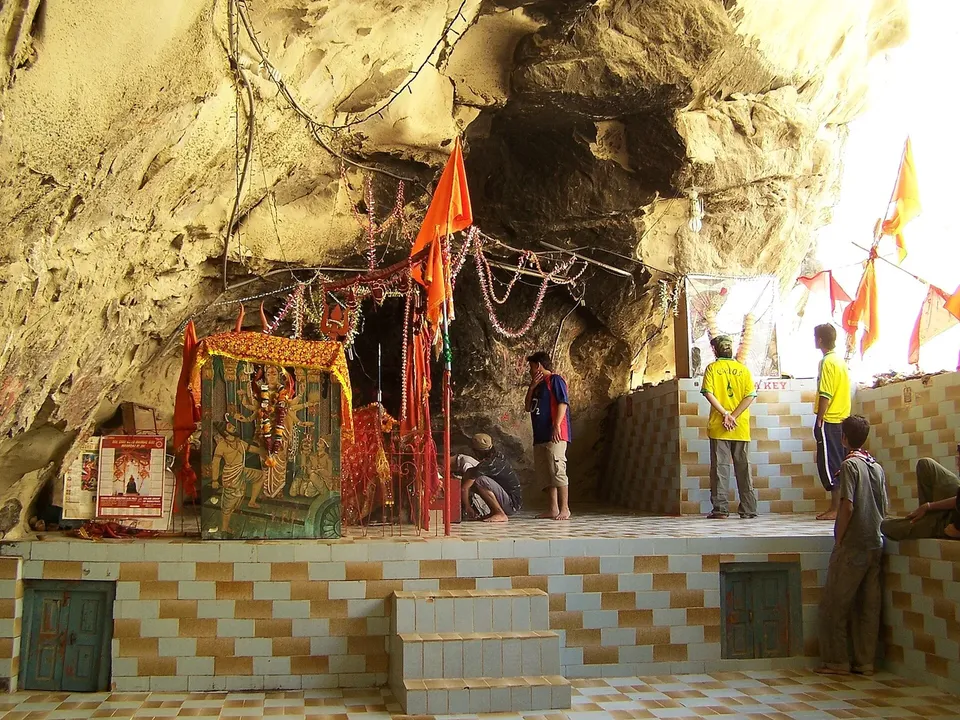 Hinglaj Shakti PeethBalochistan
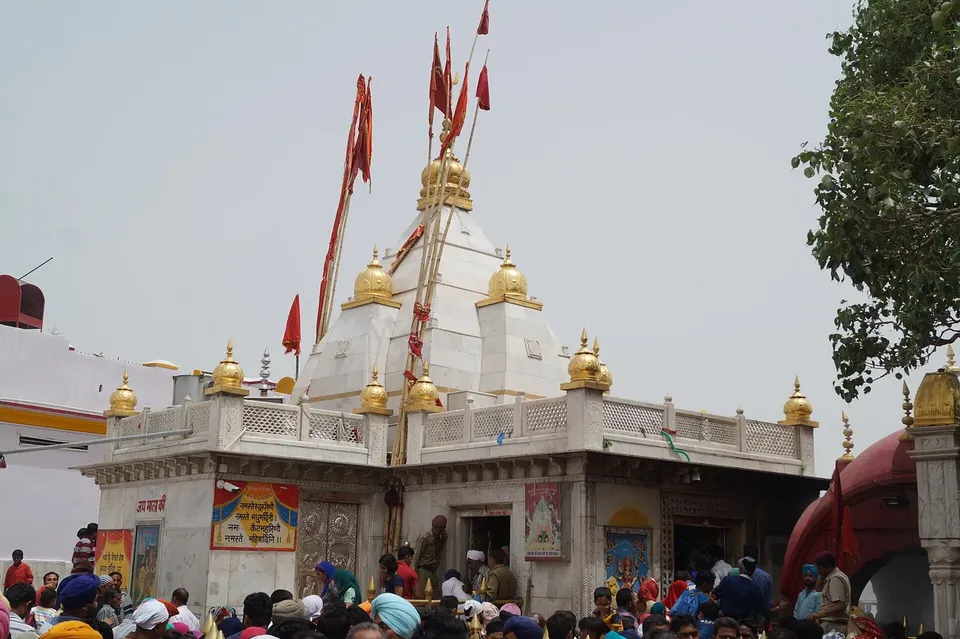 Shri Naina Devi TempleHimachal Pradesh
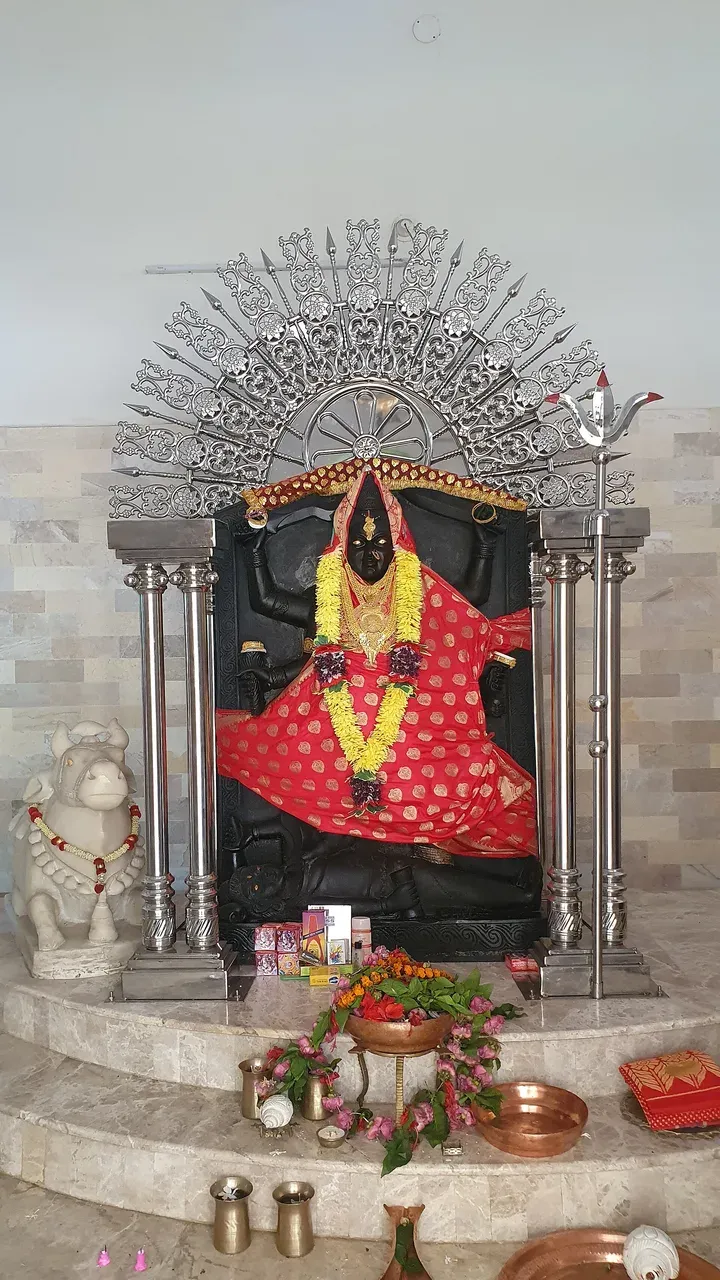 Sugandha Shakti PeethBarisal Division
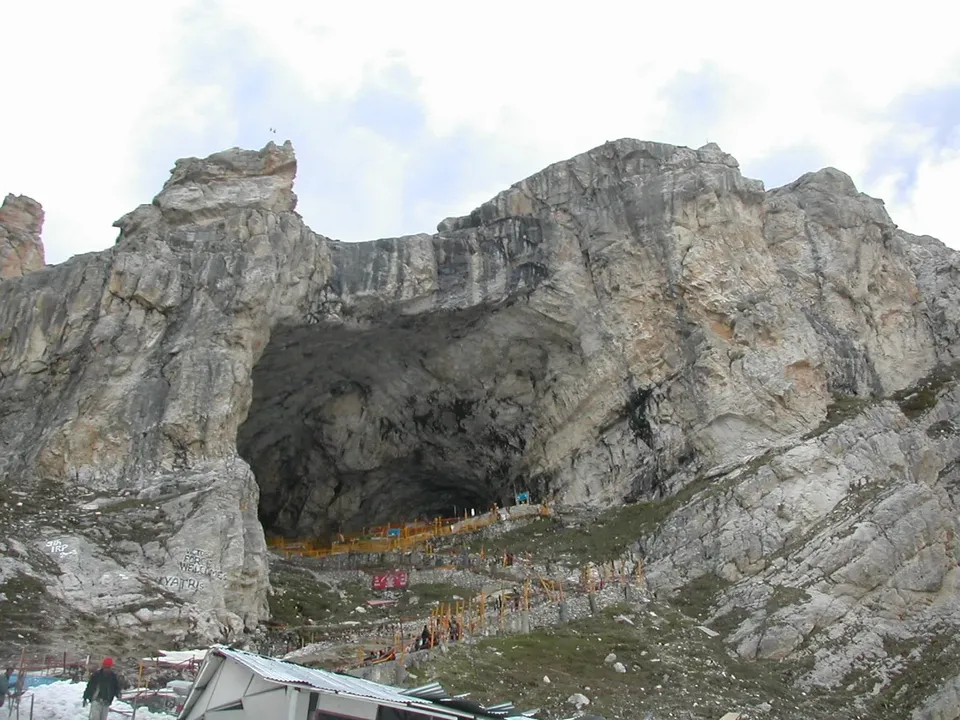 Amarnath CaveJammu and Kashmir
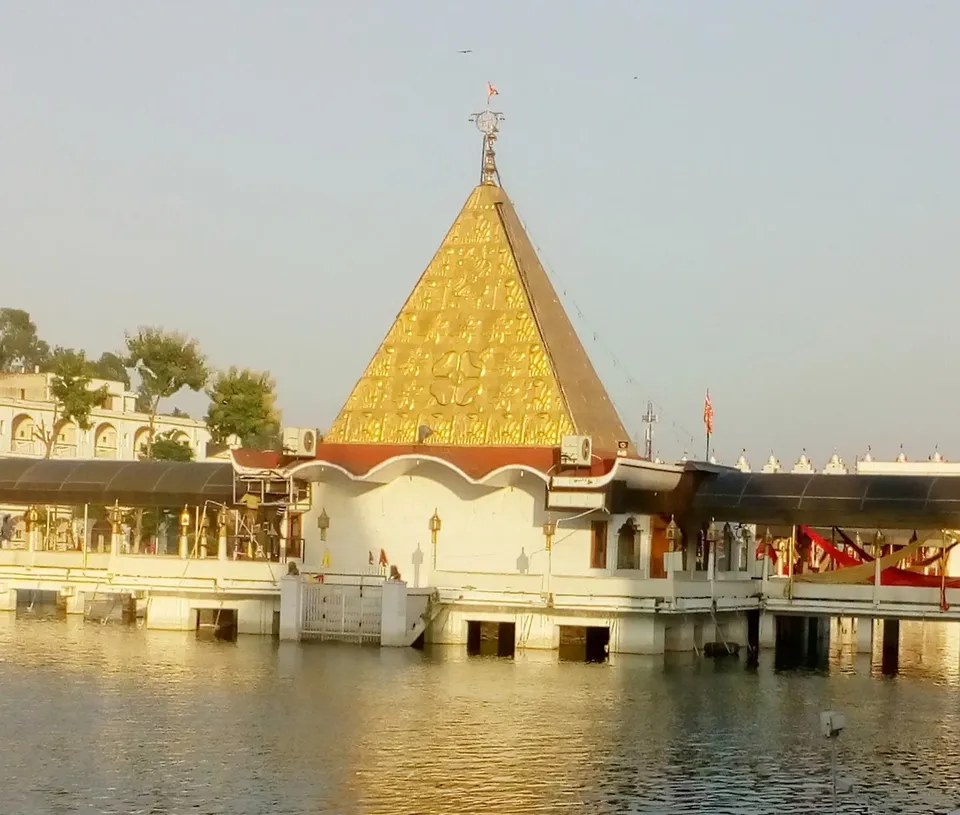 Jalandhar Shakti Peeth (Devi Talab)Punjab
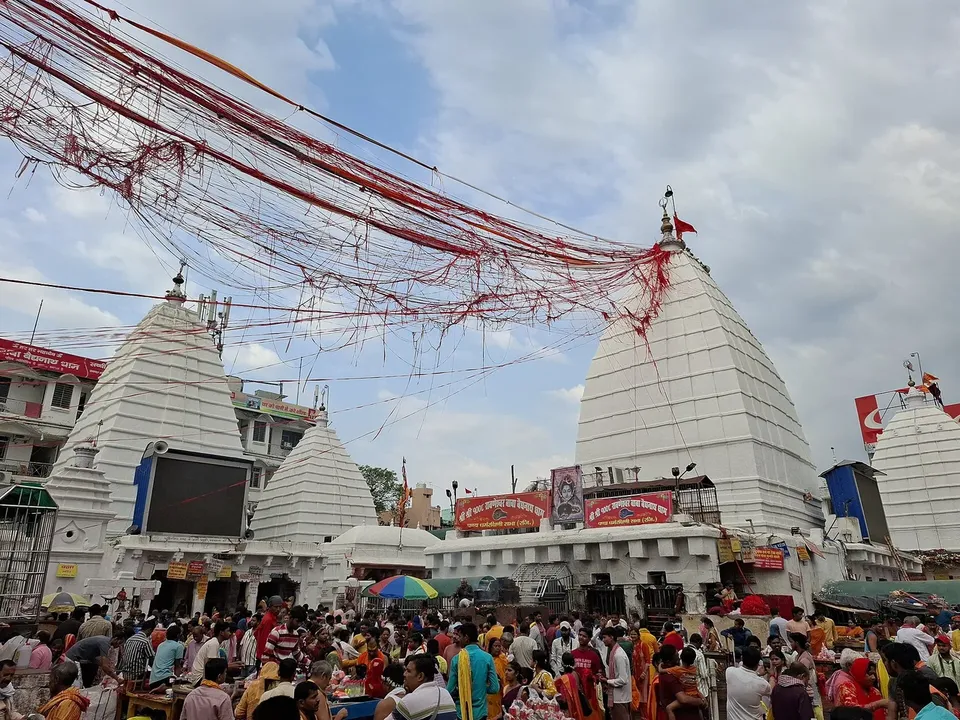 Vaidyanath Shakti Peeth (Jaya Durga)Jharkhand
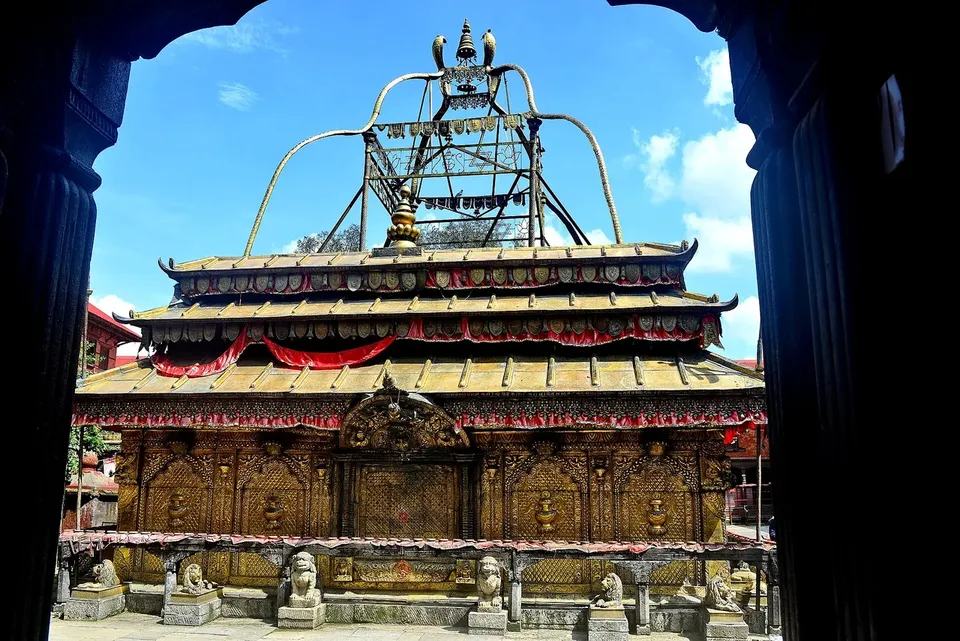 Guhyeshwari Shakti Peeth (Nepal)Bagmati Province
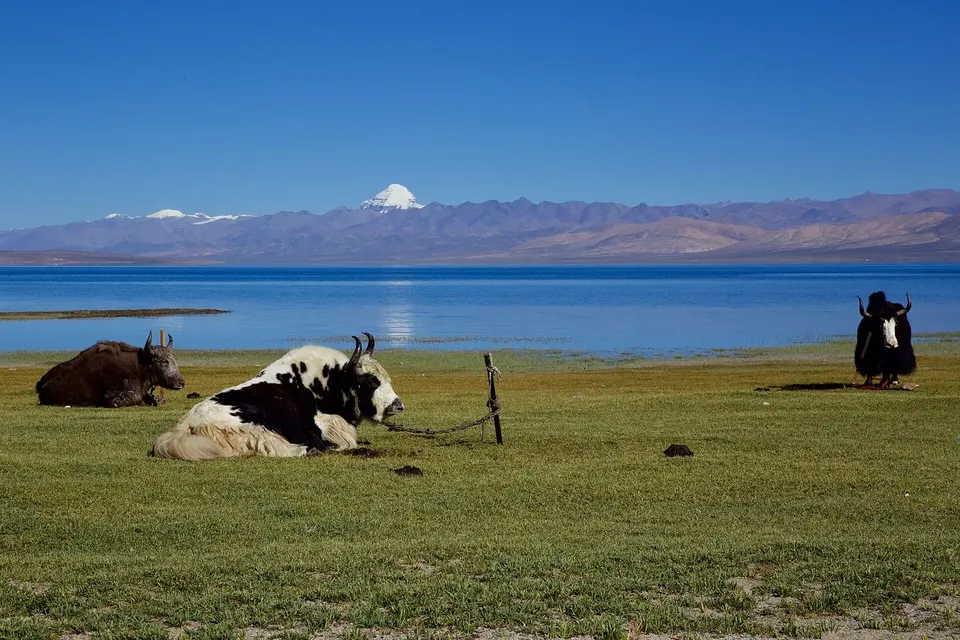 Manas Shakti Peeth (Manasarovar)Tibet
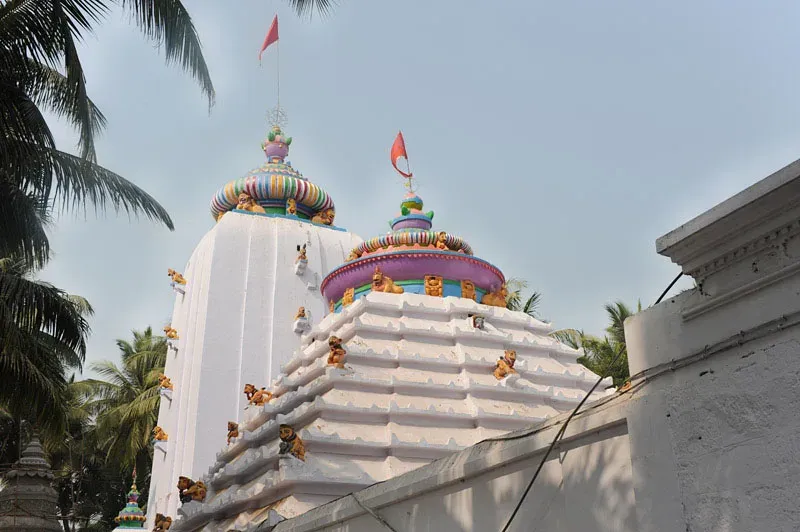 Viraja Shakti Peeth (Utkal)Odisha
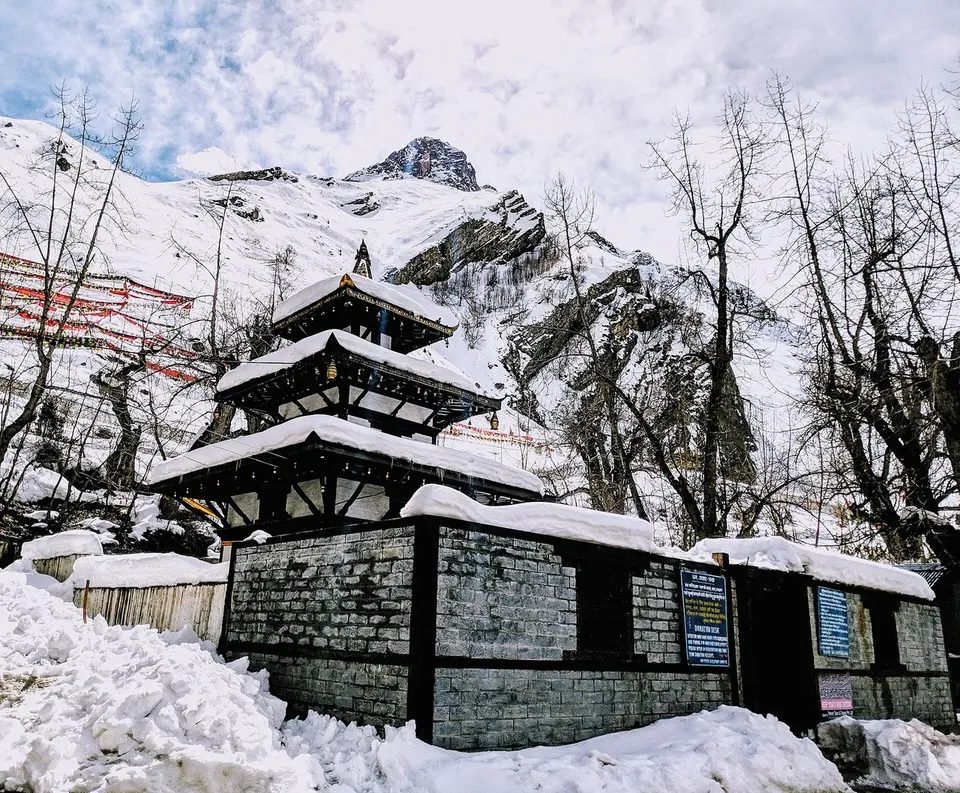 Gandaki Shakti Peeth (Muktinath)Gandaki Province
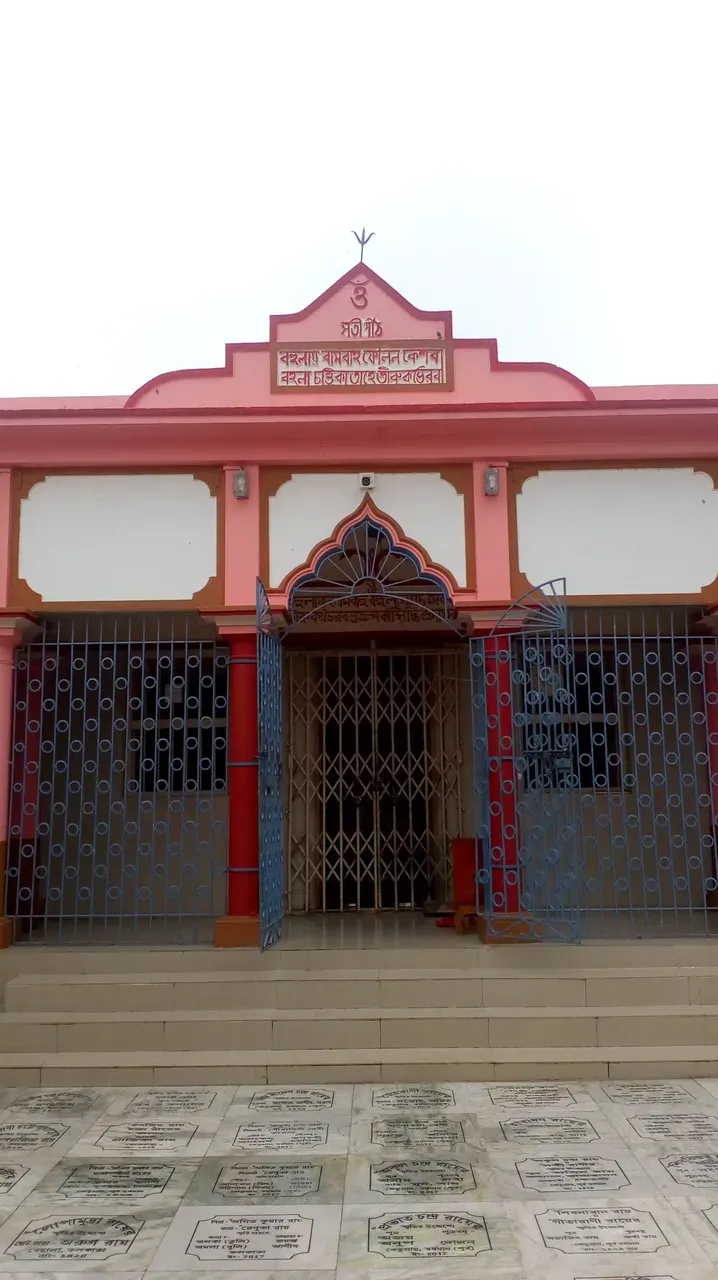 Bahula Shakti PeethWest Bengal
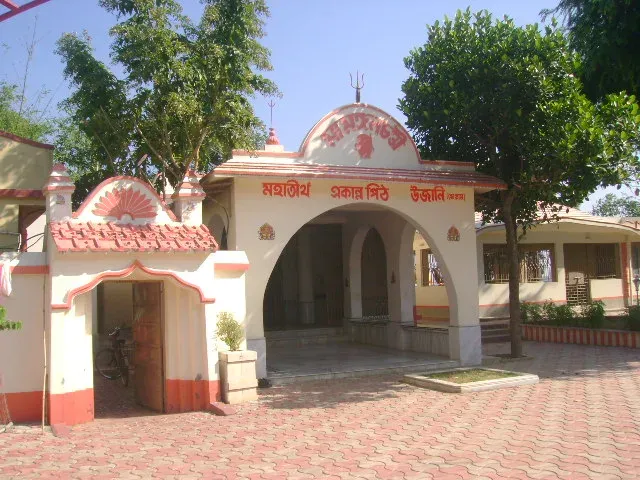 Ujjayini Shakti Peeth (Mangal Chandi, Ujani)West Bengal
Sources
- en.wikipedia.org/wiki/Jwalamukhi_temple,_Himachal_Pradesh
- en.wikipedia.org/wiki/Jwala_(goddess)
- hpkangra.nic.in/tourist-place/shri-jawalamukhi-mata-temple/
- ecoheritage.cpreec.org/jwalamukhi-temple/
- bharatdiscovery.org/india/शक्ति_पीठ
- artofliving.org/in-hi/wisdom/devotion/51-shakti-peeth
- sanskritdocuments.org/doc_devii/shaktipIThAni.html