 Karmandir
Manas Shakti Peeth (Manasarovar)
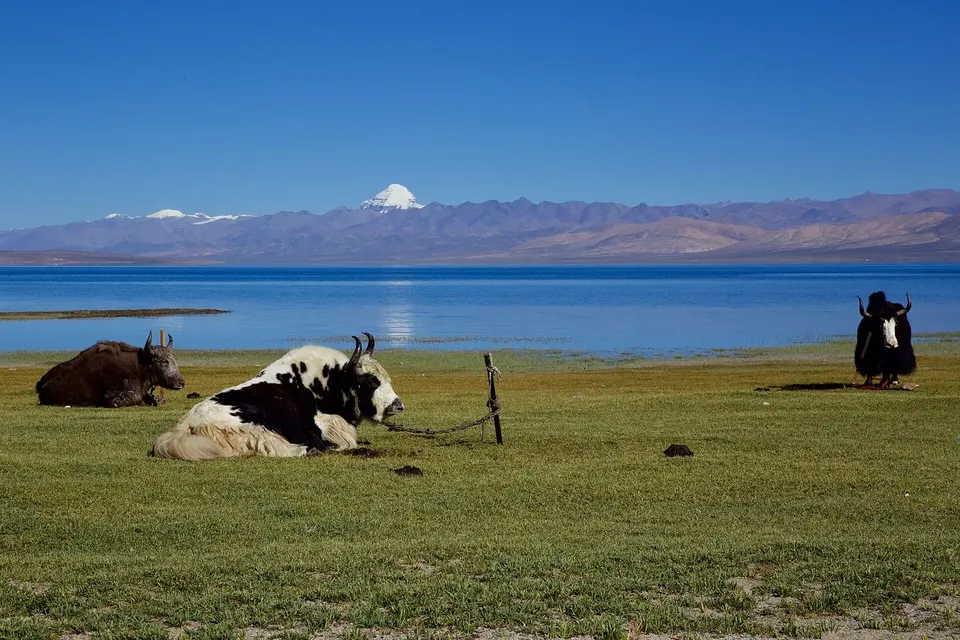
Lake Manasarovar, near Mount Kailash, western Tibet
About
Lake Manasarovar lies about 4,600 metres high in western Tibet, at the foot of Mount Kailash, the abode of Shiv ji. It is one of the highest freshwater lakes in the world and is sacred to Hindus, Buddhists, Jains and followers of Bon. The Shakti Peeth lists name it the Manas peeth, where the right hand (palm) of Devi Sati fell; she is honoured here as Dakshayani, with Amar as her Bhairav. There is no temple building: a stone on the shore is worshipped as the Devi. Pilgrims bathe in the lake, walk around it, and also make the parikrama of Kailash.
The story
The Shakti Peeth story tells that after the sorrowful events at King Daksha's yagya, Shiv ji wandered in grief with the body of Devi Sati, who as Daksha's daughter is also called Dakshayani. Vishnu ji's Sudarshan chakra divided the body, and her right hand is believed to have fallen by this lake, close to Shiv ji's own home on Kailash.
Manasarovar means 'lake of the mind'. In the Ramayana, Rishi Vishwamitra tells Shri Ram that Brahma ji created this lake from his mind (manas), and that the Sarayu river of Ayodhya flows out of it. Old texts also call it the favourite home of the hamsa, Brahma ji's swan. Hindus believe that Shiv ji sits in deep meditation on Kailash, and that here he held the force of Ganga ji in his matted hair. For Buddhists, Kailash is the father of the world and Manasarovar the mother, and Jains link the region with the first Tirthankar, Rishabhdev.
Visiting
The lake can be visited only in the summer months, through organised yatras. The air is very thin at this height, so pilgrims need good health, a medical check, warm clothes and time to get used to the altitude. Indian pilgrims go on the yatra organised each year by the Government of India; others travel through Nepal.
Festivals
- Kailash Manasarovar Yatra (summer, about June to September)
51 Shakti Peeths
 Hinglaj Shakti PeethBalochistan
 Shri Naina Devi TempleHimachal Pradesh
 Sugandha Shakti PeethBarisal Division
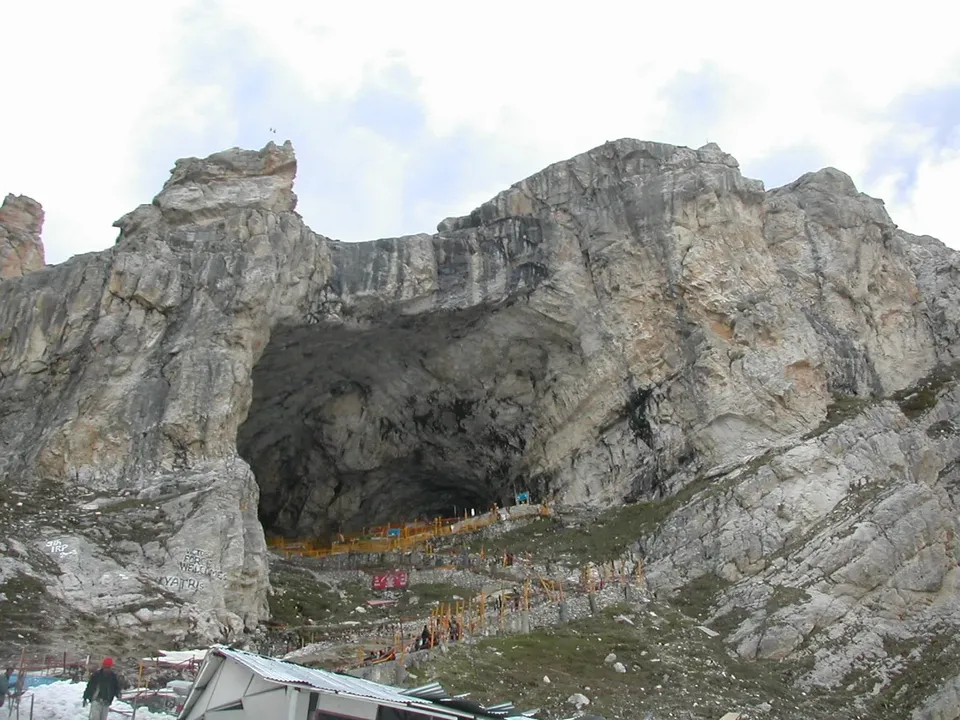 Amarnath CaveJammu and Kashmir
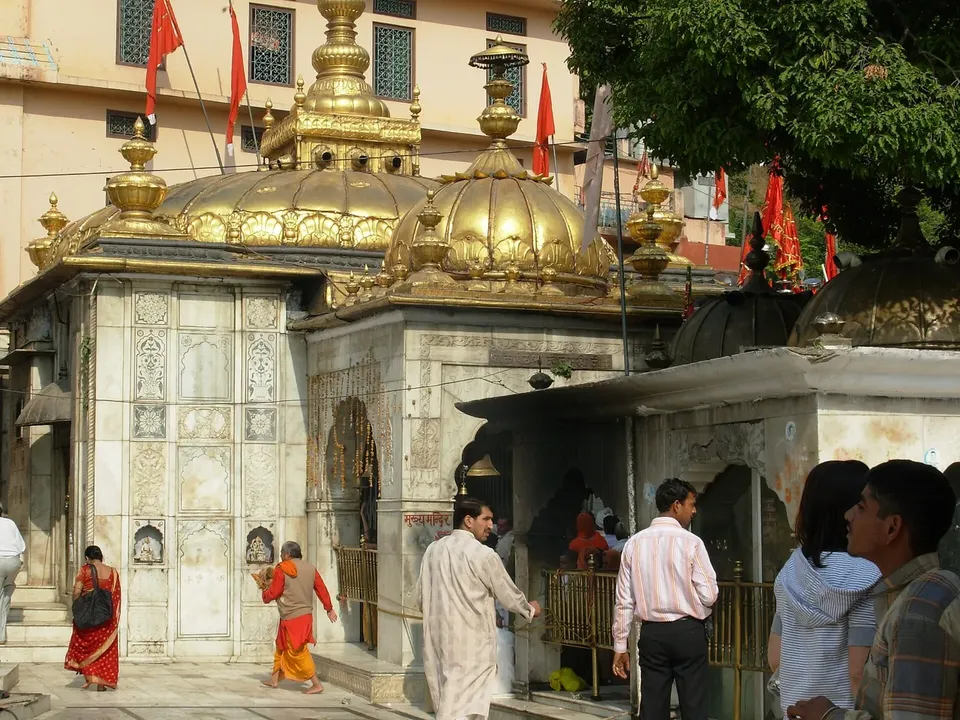 Jwalamukhi Shakti Peeth (Jwala Ji)Himachal Pradesh
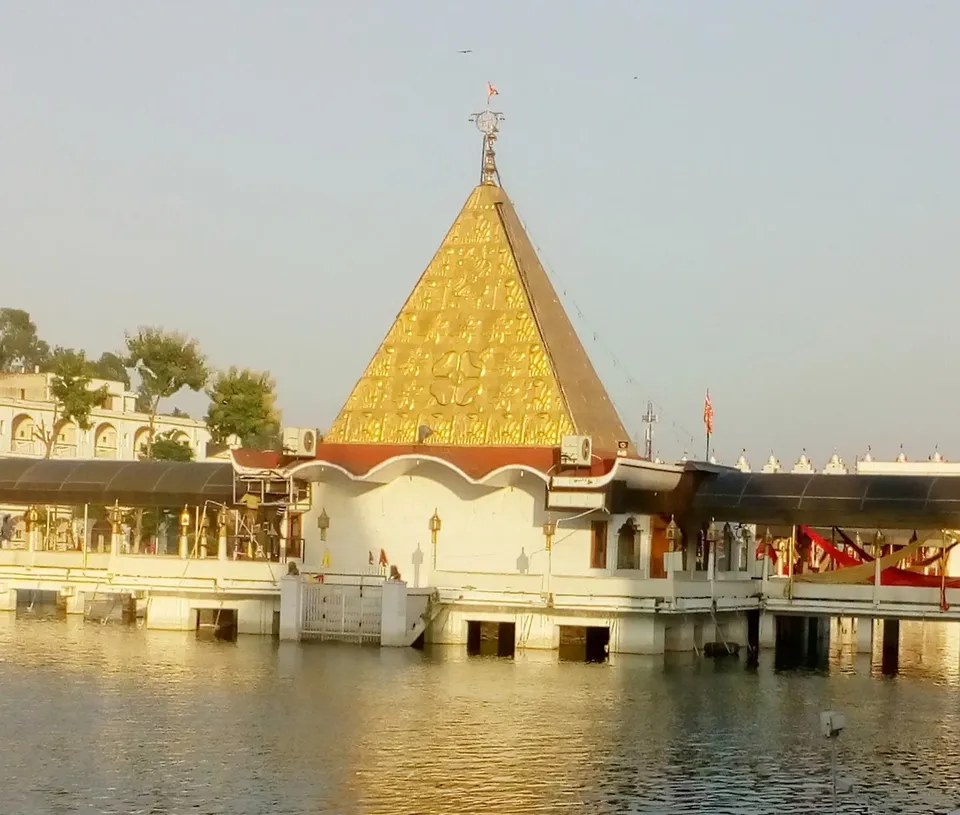 Jalandhar Shakti Peeth (Devi Talab)Punjab
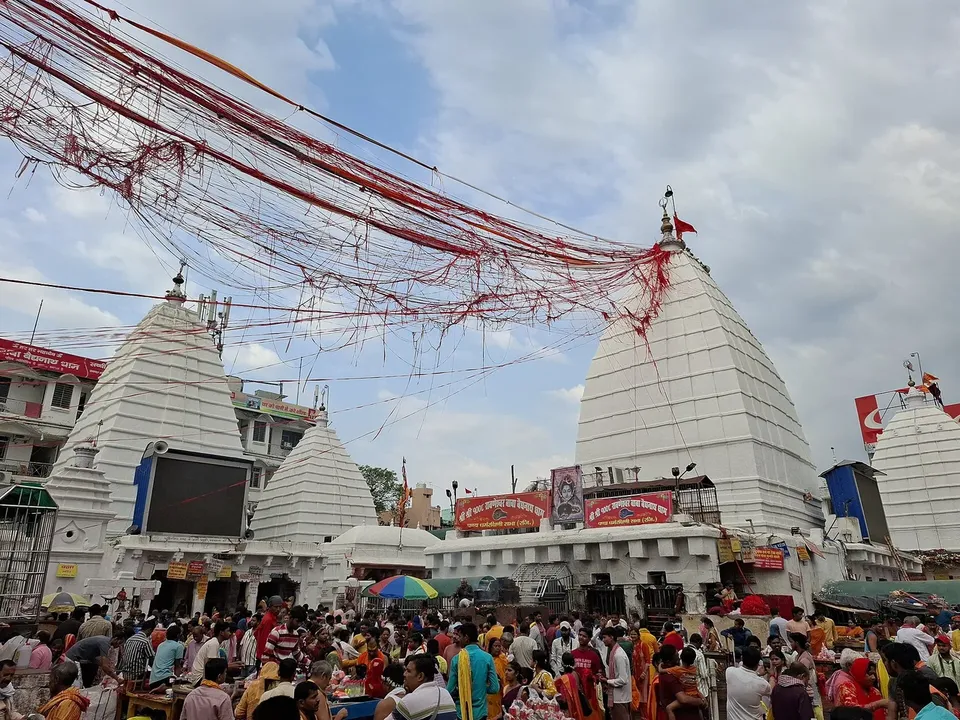 Vaidyanath Shakti Peeth (Jaya Durga)Jharkhand
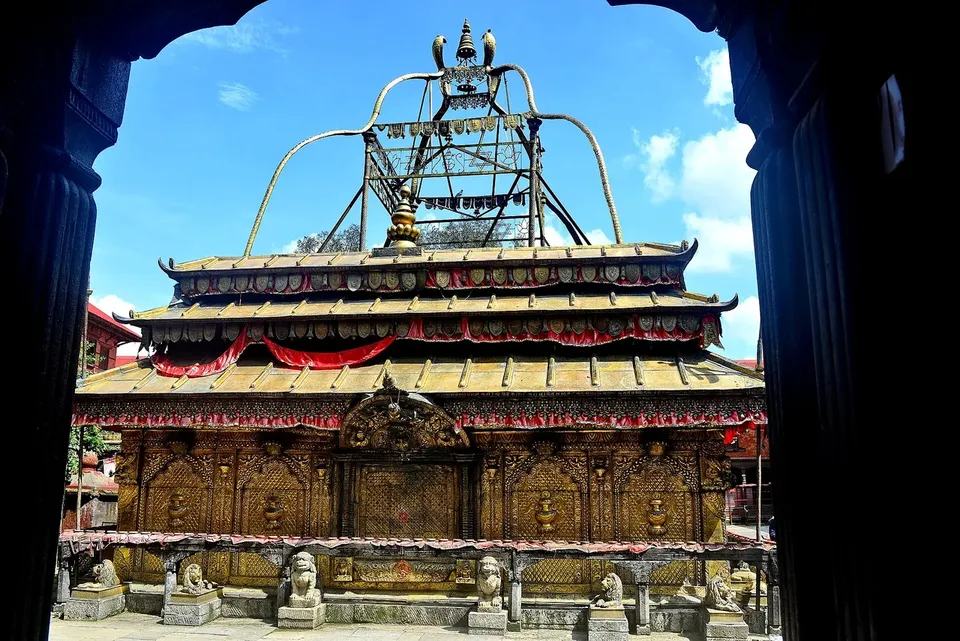 Guhyeshwari Shakti Peeth (Nepal)Bagmati Province
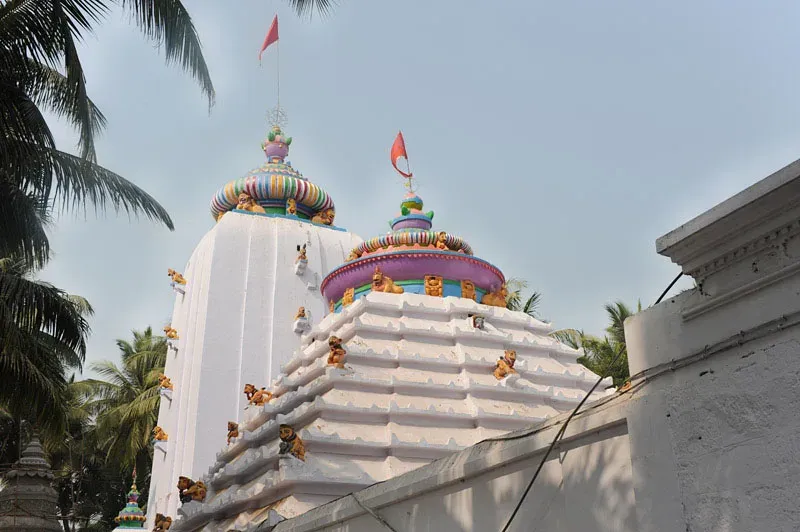 Viraja Shakti Peeth (Utkal)Odisha
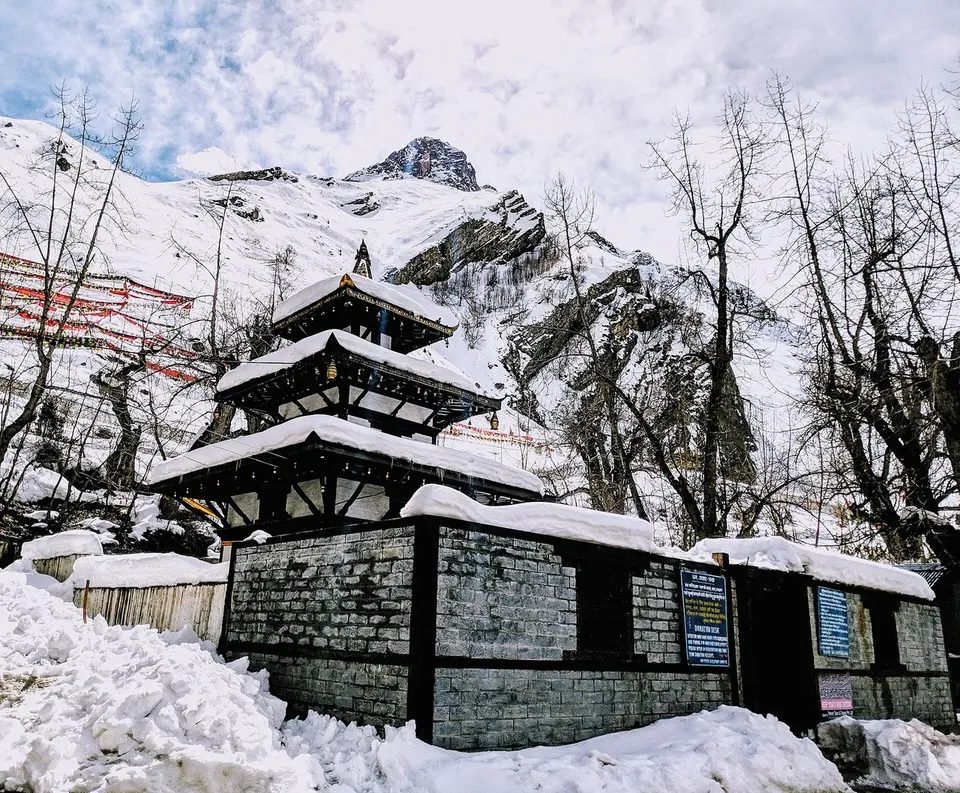 Gandaki Shakti Peeth (Muktinath)Gandaki Province
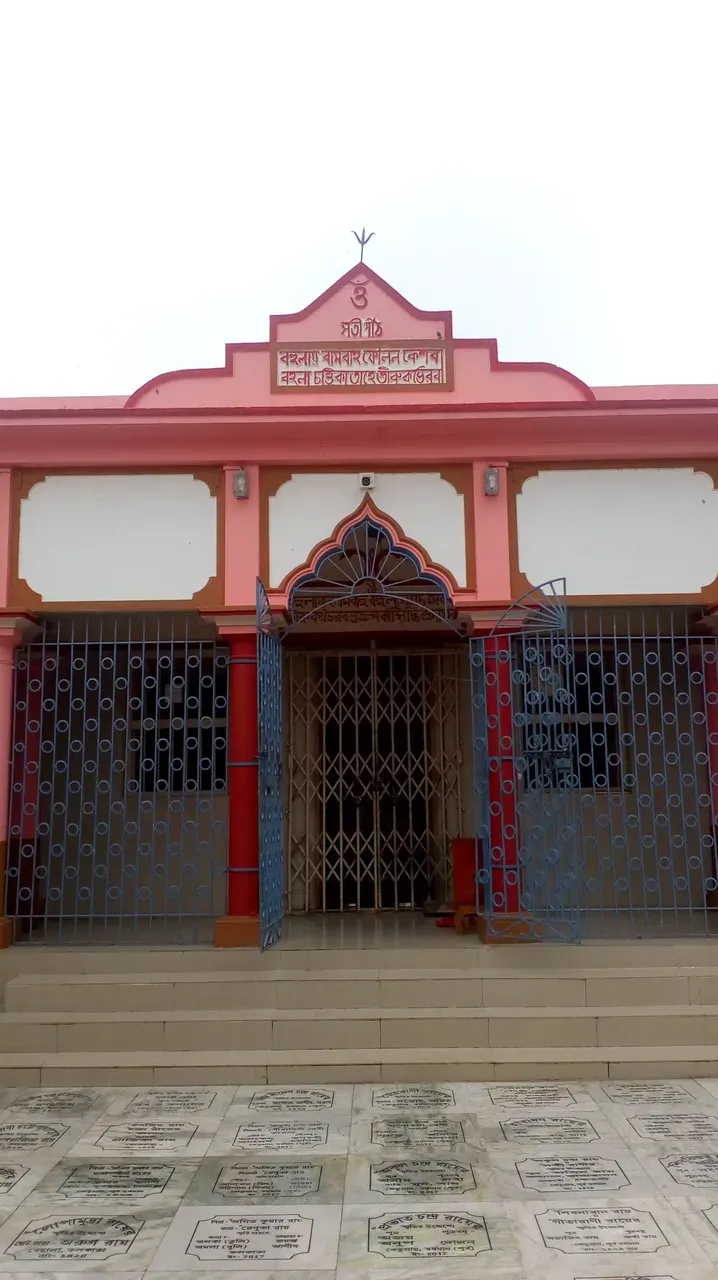 Bahula Shakti PeethWest Bengal
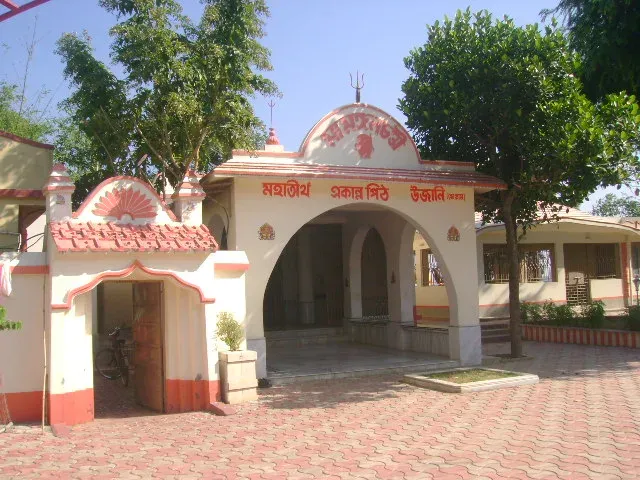 Ujjayini Shakti Peeth (Mangal Chandi, Ujani)West Bengal