 Karmandir
हर हर महादेव
About
Shiv ji, lovingly called Mahadev and Bholenath, is one of the three great gods, the Trimurti, together with Brahma ji and Vishnu ji. He is the great yogi who lives on Mount Kailash with Maa Parvati, lost in meditation. Ganesh ji and Kartikeya are his sons. Tradition sees him as the one who ends the old so that something new can begin. He is worshipped mostly as the Shivling, at home and in temples from Kedarnath to Rameswaram, including the twelve Jyotirlingas. Devotees call him Bholenath, the simple-hearted one, because they believe a little water, one bel leaf and a sincere heart are enough to please him.
The story
Once the devas and the asuras agreed to churn the ocean of milk together to find amrit, the nectar of immortality. Mount Mandar became the churning rod and the great serpent Vasuki became the rope. As they churned, many treasures came up one after another. But before the amrit, a terrible poison rose from the sea, called halahal or kalkut. Its burning fumes spread everywhere, and devas and asuras alike began to suffer. No one knew how to escape.
They all went to Shiv ji and prayed for help. Full of compassion, Shiv ji took the poison in his palm and drank it to save the whole world. But he did not let it go down; he held it in his throat. Many tellings say that Maa Parvati held his throat so that the poison would stay there. The poison turned his throat blue, and from that day he has been called Neelkanth, the blue-throated one.
Tradition holds that the Neelkanth Mahadev temple near Rishikesh stands at the place where Shiv ji drank the poison and then sat in long, deep tapasya.
Devotees remember this story as a lesson: Shiv ji took the world's pain upon himself so that others could live in peace. That is why he is called Mahadev, the god of gods.
How they are shown
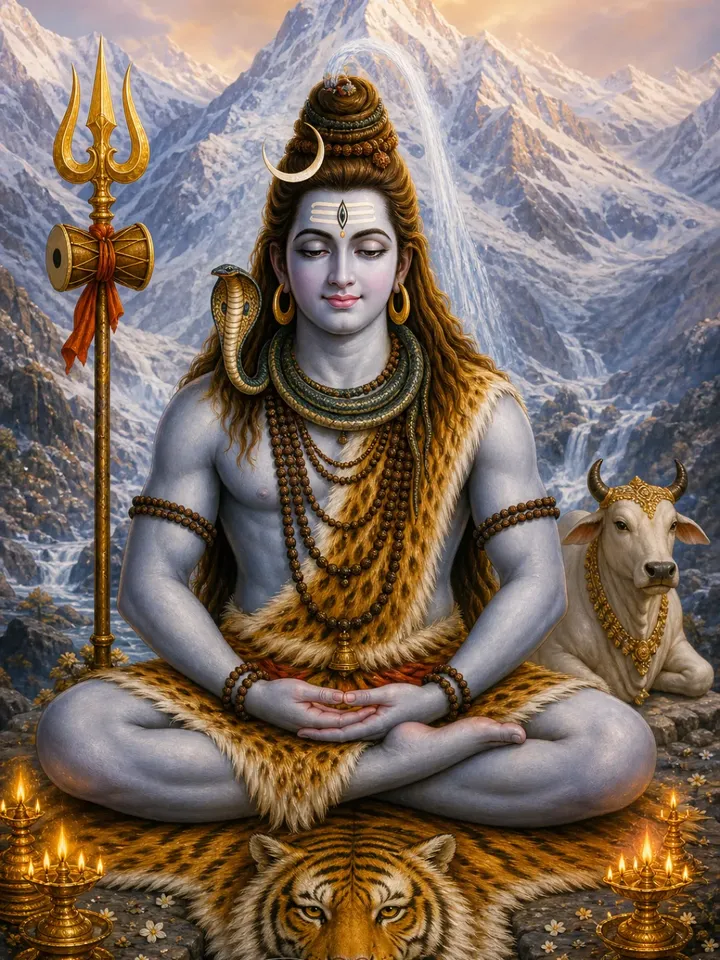
Shiv ji is shown as a yogi seated on a tiger skin on Kailash. The crescent moon and the river Ganga rest in his matted hair (jata). His third eye, with which he burned Kamdev to ashes, is seen as a sign of wisdom. The serpent Vasuki is coiled around his neck. The trishul is said to stand for the three gunas, and the damru is linked with sound and his tandav dance. Ash on his body reminds us that everything passes. Nandi the bull is his vahan. He is most often worshipped as the Shivling.
How to worship
Monday (Somvar); the Mondays of the month of Sawan are especially dear
Abhishek with water and milk, bel patra, white flowers, fruits, honey and white sweets such as kheer. By tradition, tulsi leaves and ketaki (kewda) flowers are not offered to Shiv ji.
After your bath, sit calmly before a Shivling or a picture of Shiv ji. Light a ghee diya and some dhoop. Slowly pour clean water, or water with a little milk, over the Shivling while saying 'Om Namah Shivaya'. Then offer a three-leaf bel patra, white flowers and fruit. If you can, chant 'Om Namah Shivaya' 108 times on a rudraksha mala, and sing the aarti 'Om Jai Shiv Omkara'. Many families keep a simple fast on Mondays. At the end, ask forgiveness for any mistake made in the puja.
Their festivals
- Maha Shivratri Phalgun Krishna Chaturdashi (Magh Krishna Chaturdashi in the amant calendar)
- Sawan Somvar Every Monday of the month of Shravan
- Pradosh Vrat Trayodashi of every fortnight, at dusk (pradosh kaal)
- Masik Shivratri Krishna Chaturdashi of every month
- Kartik Purnima (Dev Deepawali) Kartik Purnima, also called Tripurari Purnima
Aarti, chalisa and katha
Temples and tirth
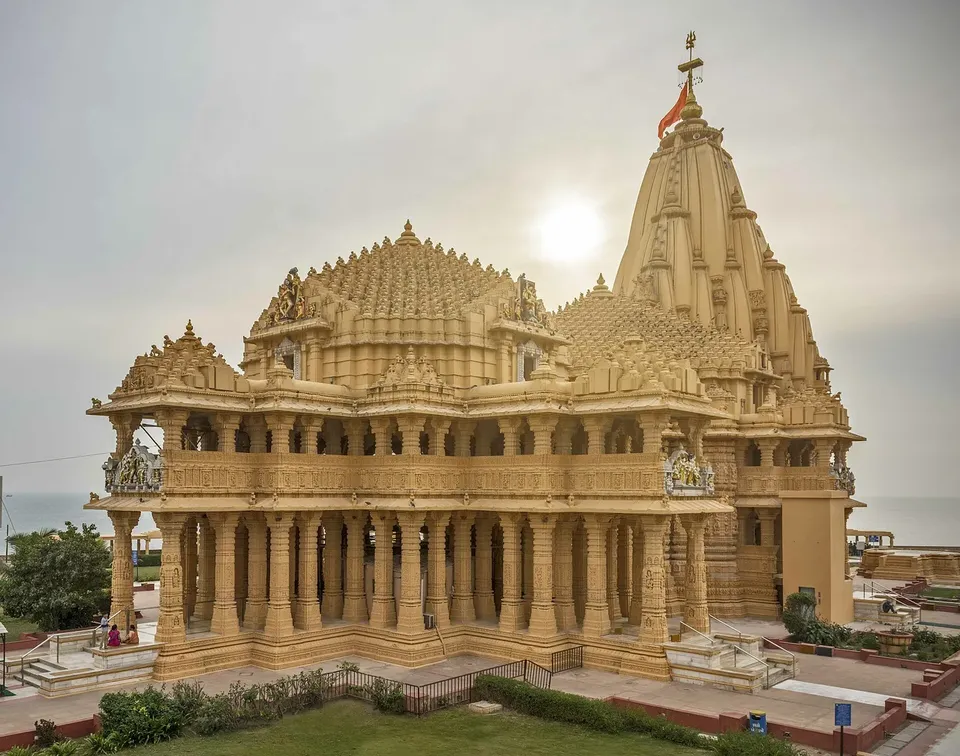 Somnath JyotirlingaGujarat
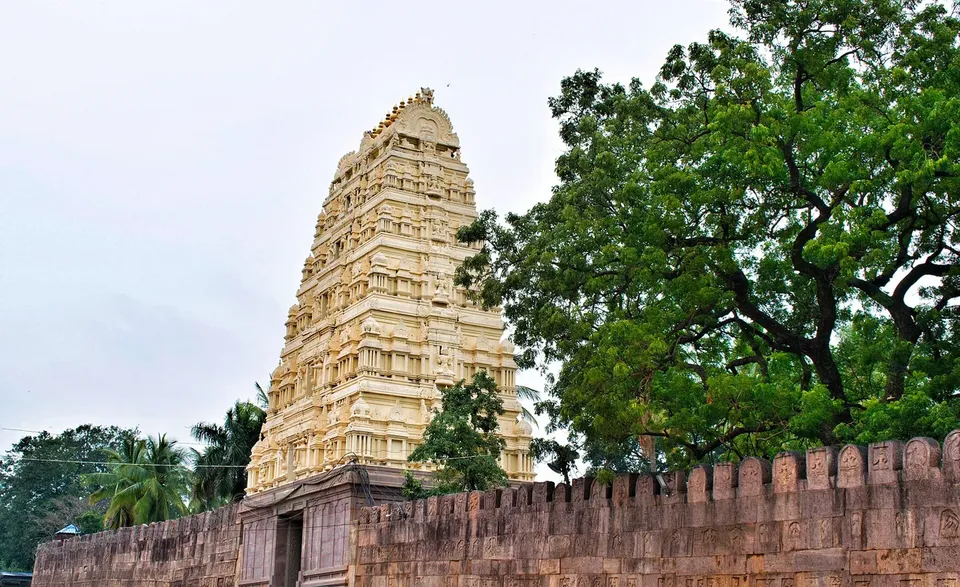 Mallikarjuna Jyotirlinga, SrisailamAndhra Pradesh
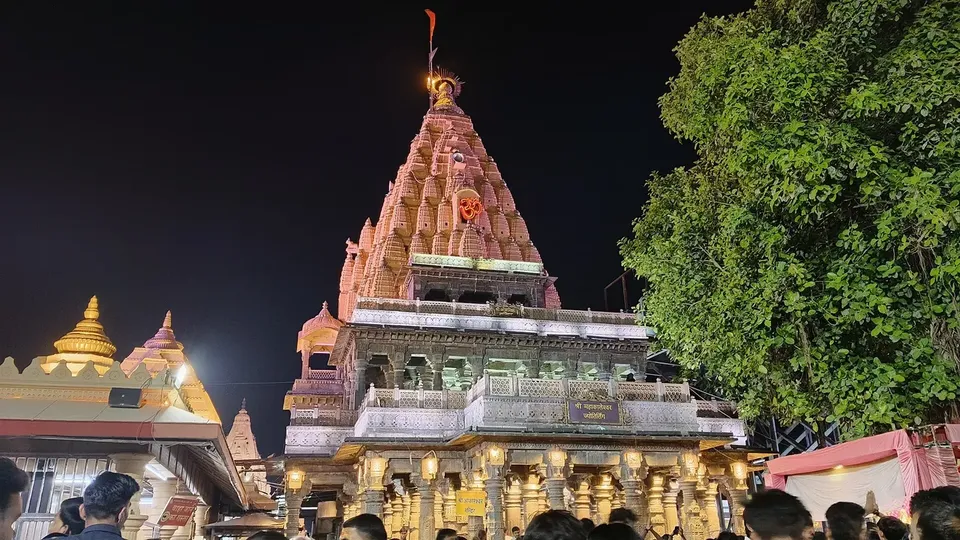 Mahakaleshwar Jyotirlinga, UjjainMadhya Pradesh
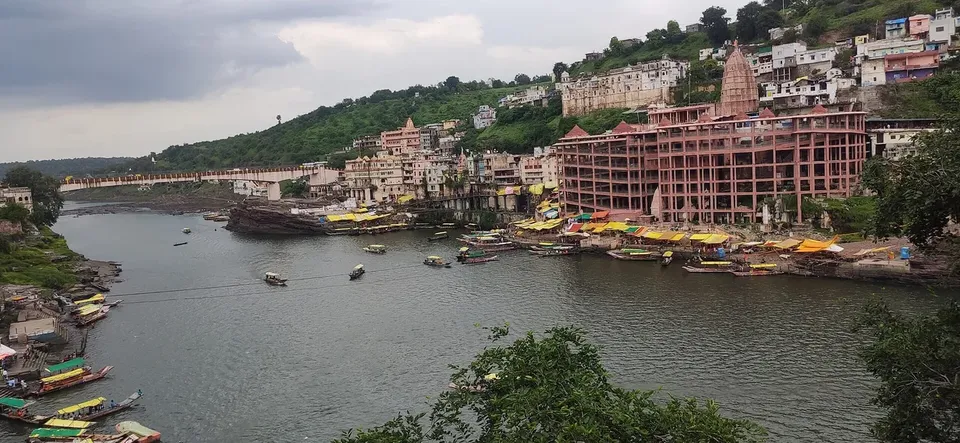 Omkareshwar JyotirlingaMadhya Pradesh
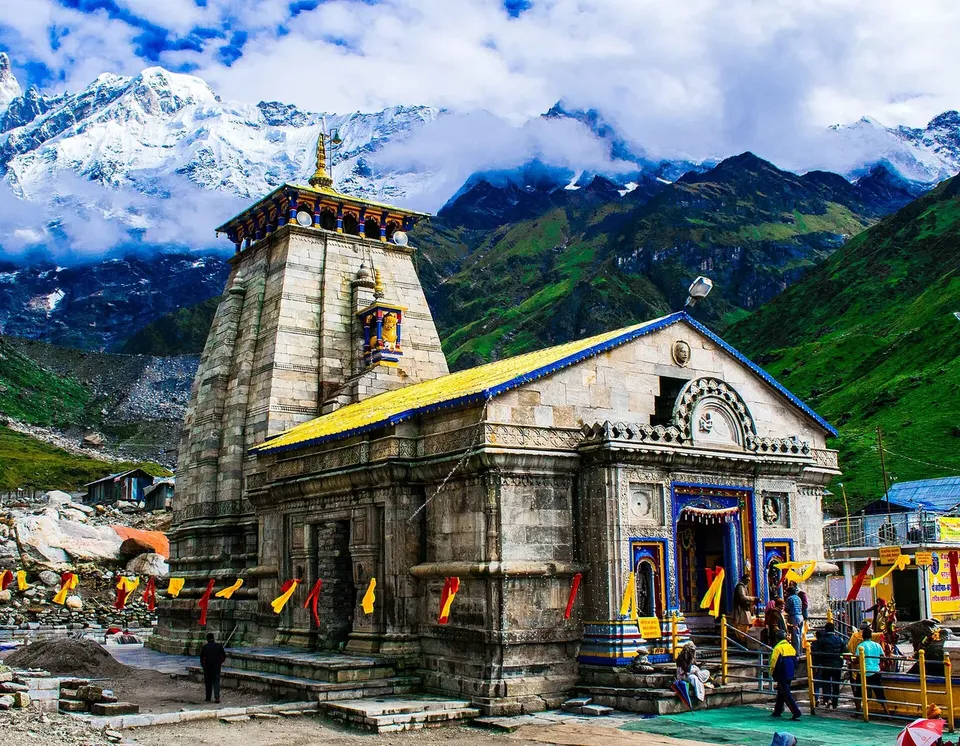 Kedarnath JyotirlingaUttarakhand
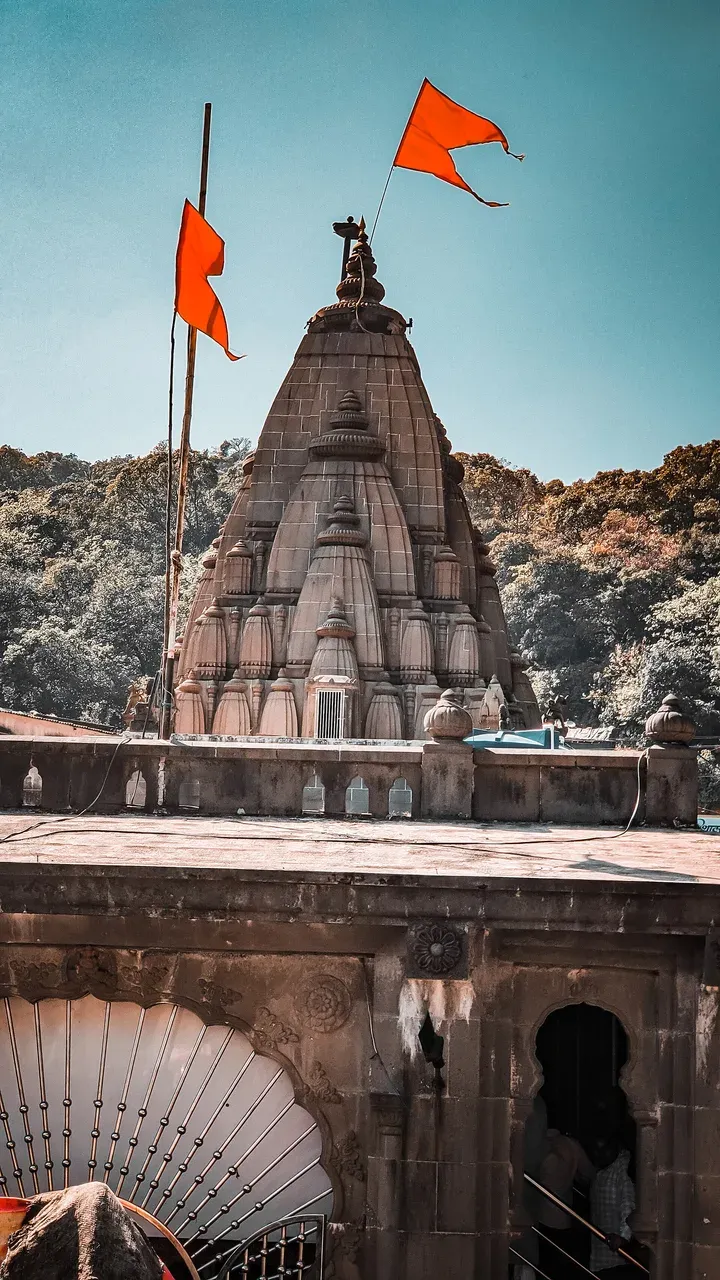 Bhimashankar JyotirlingaMaharashtra
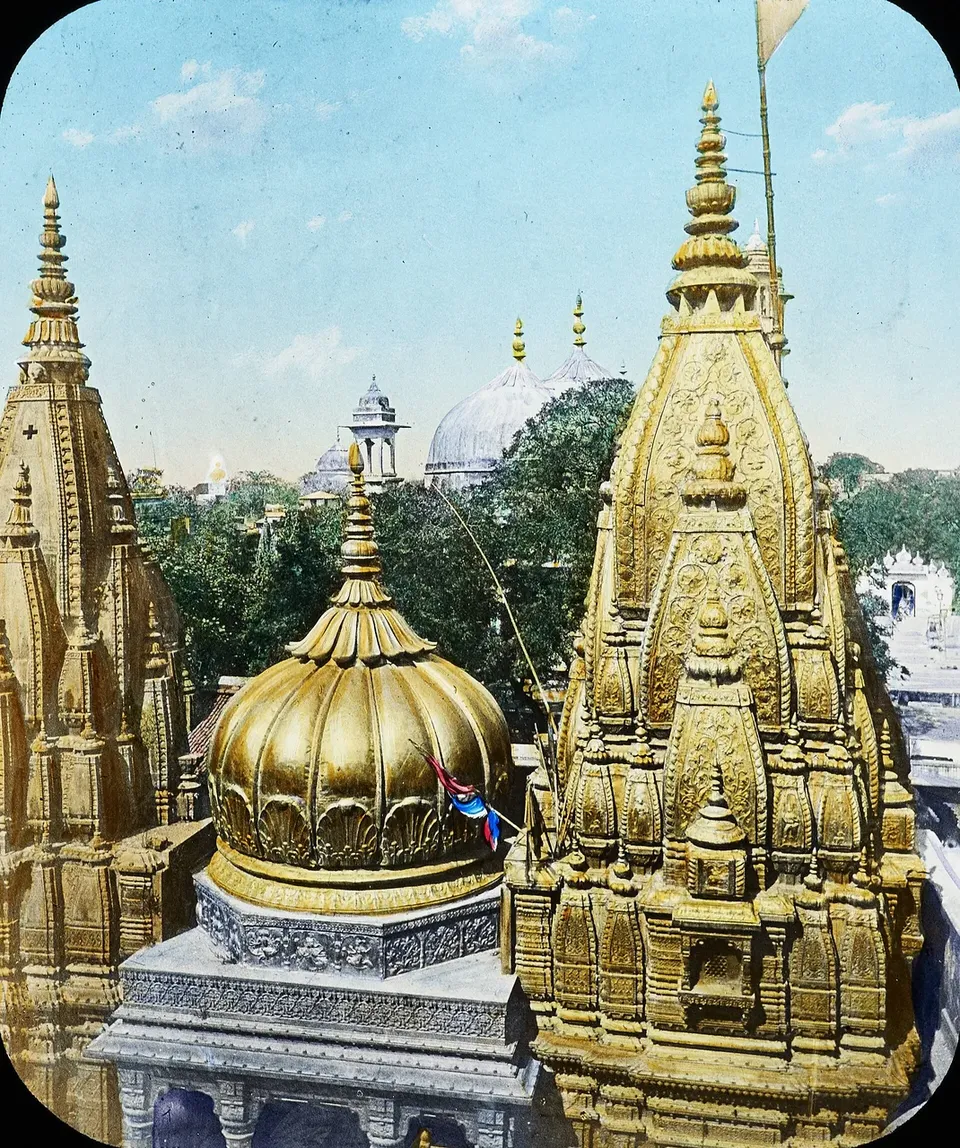 Kashi Vishwanath JyotirlingaUttar Pradesh
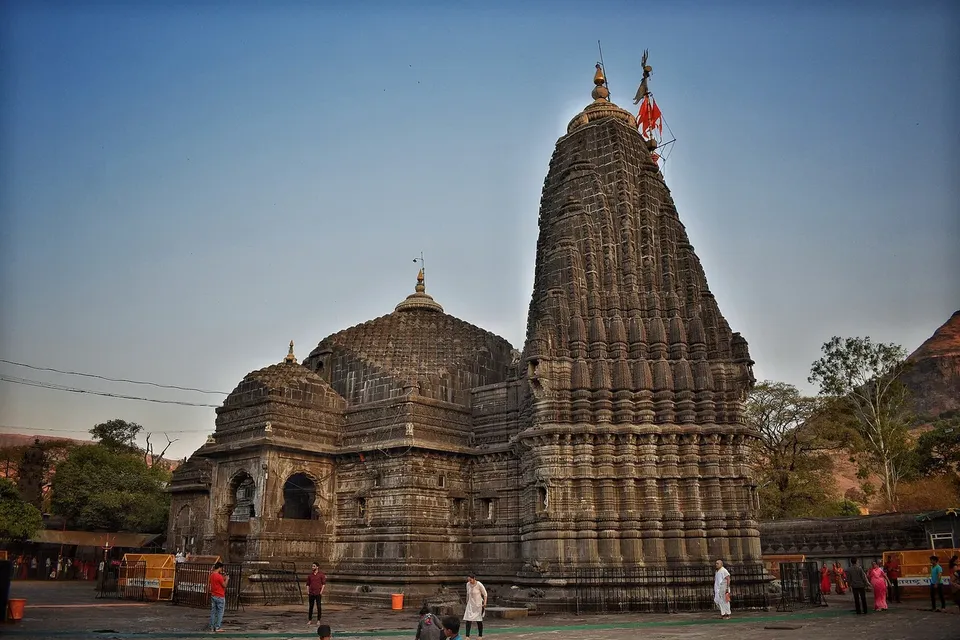 Trimbakeshwar JyotirlingaMaharashtra
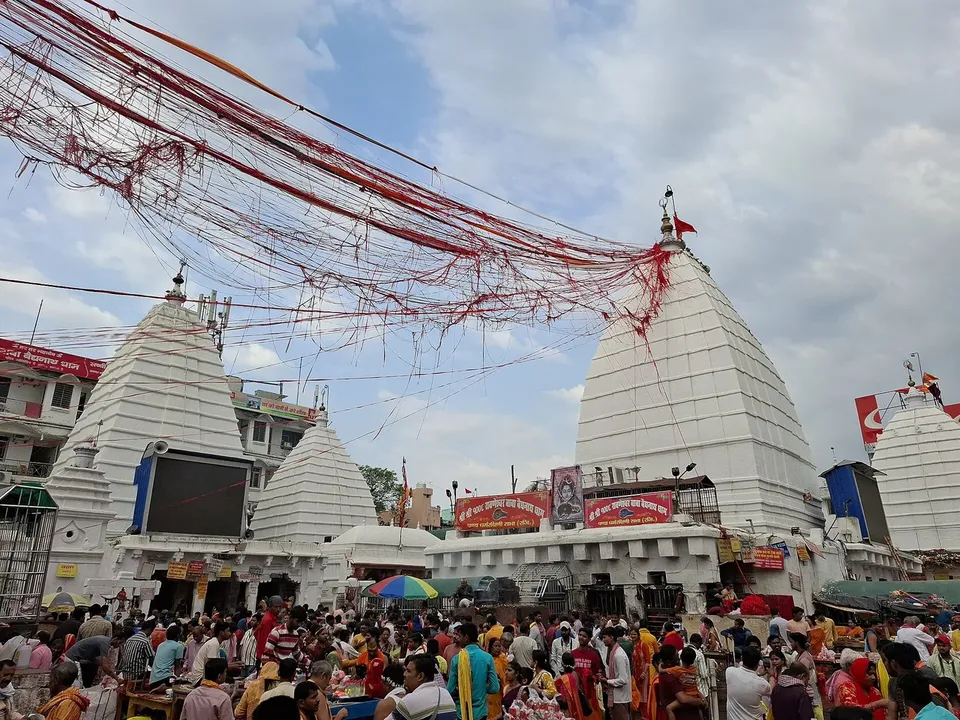 Vaidyanath Jyotirlinga (Baba Baidyanath Dham)Jharkhand
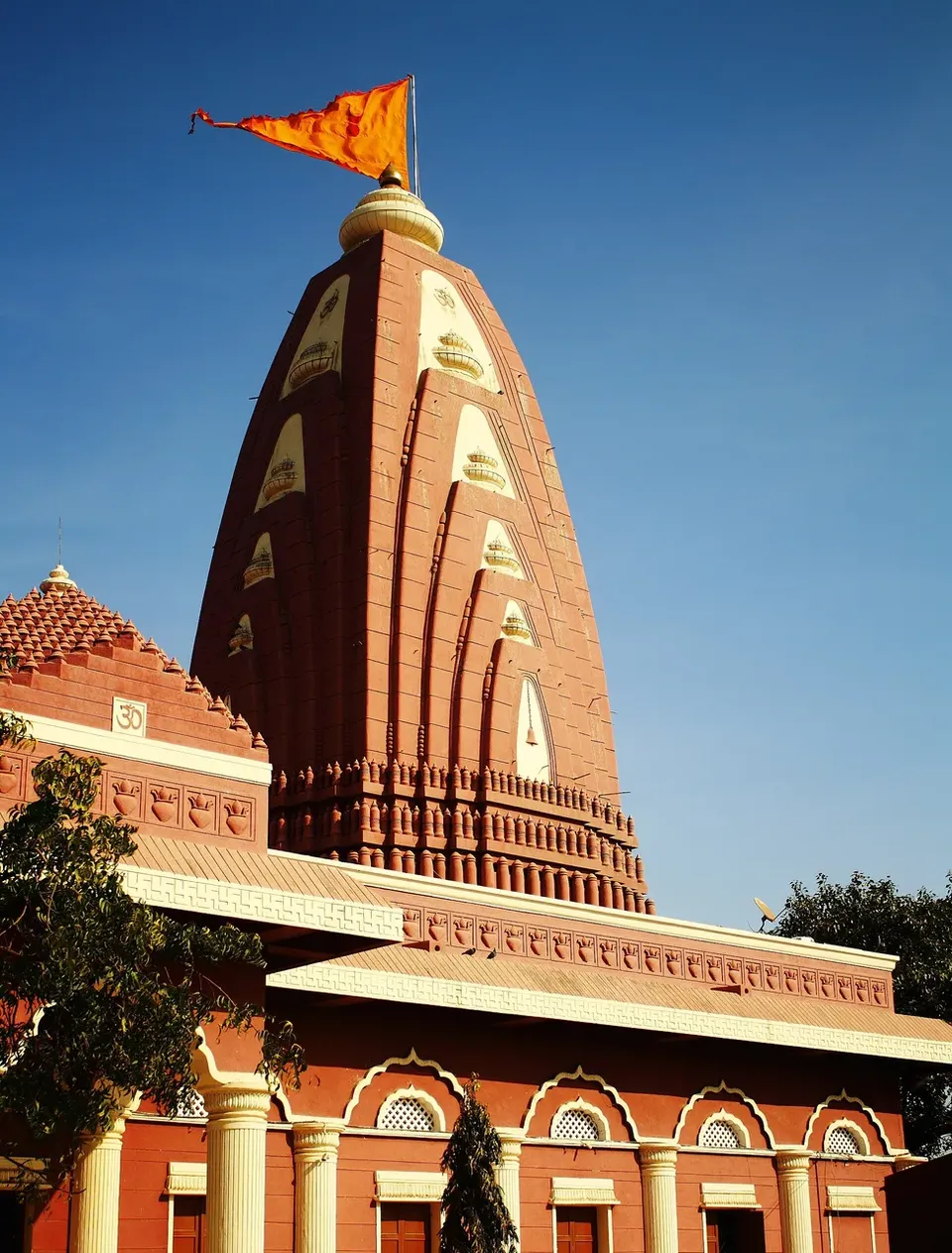 Nageshwar JyotirlingaGujarat
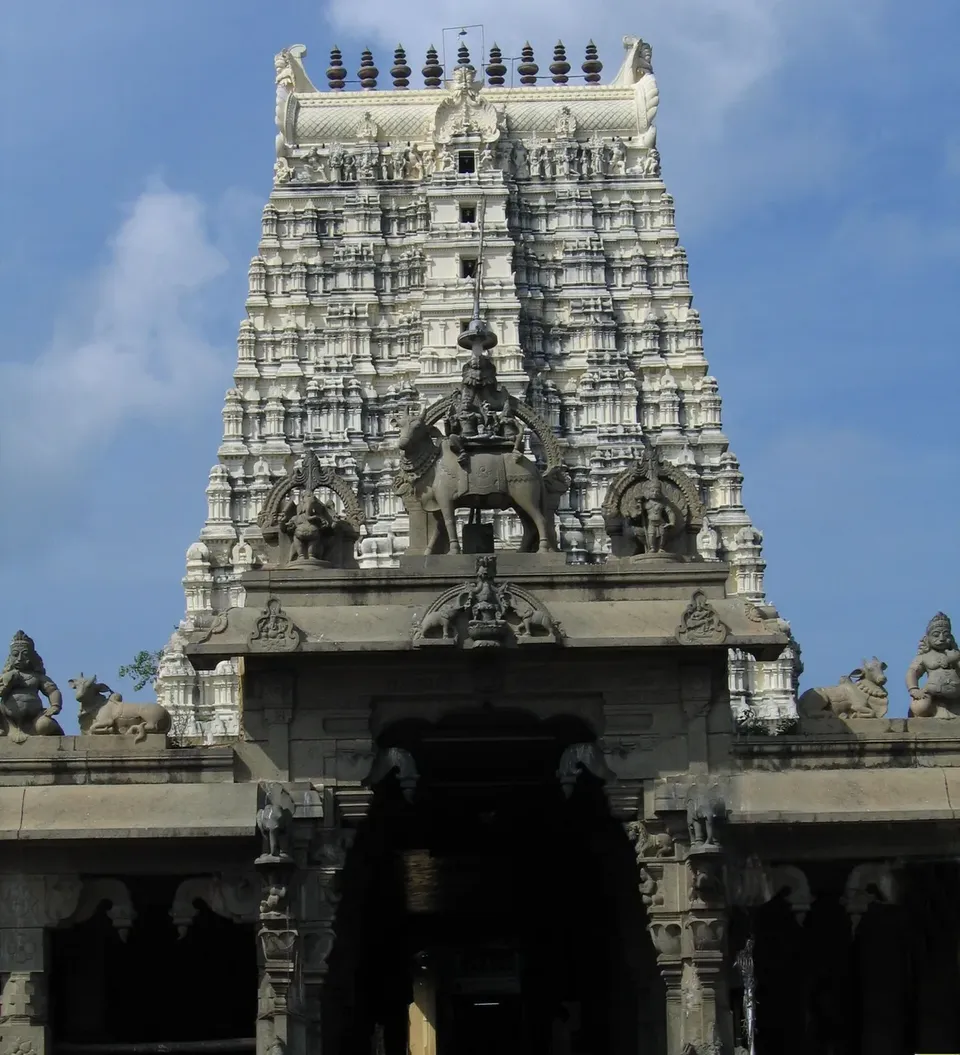 Rameswaram Jyotirlinga (Ramanathaswamy Temple)Tamil Nadu
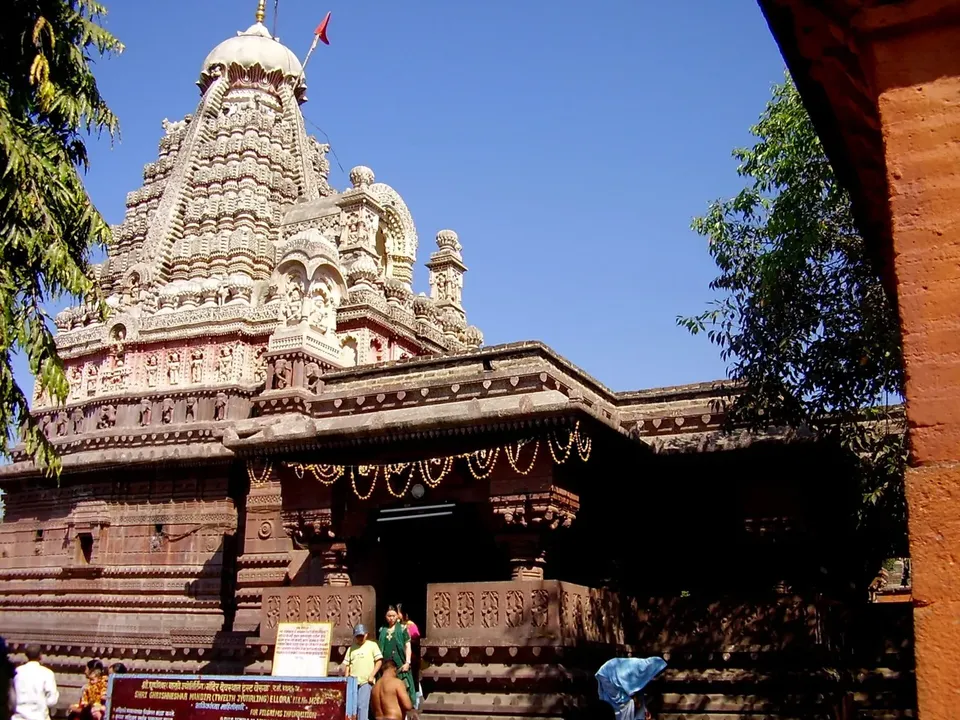 Grishneshwar JyotirlingaMaharashtra
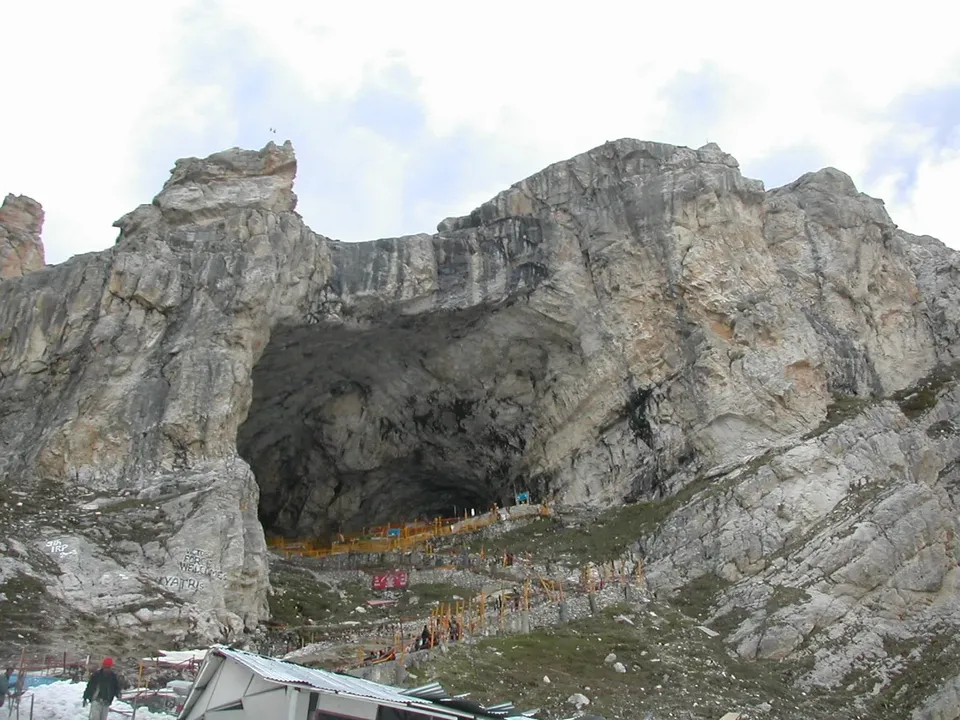 Amarnath CaveJammu and Kashmir
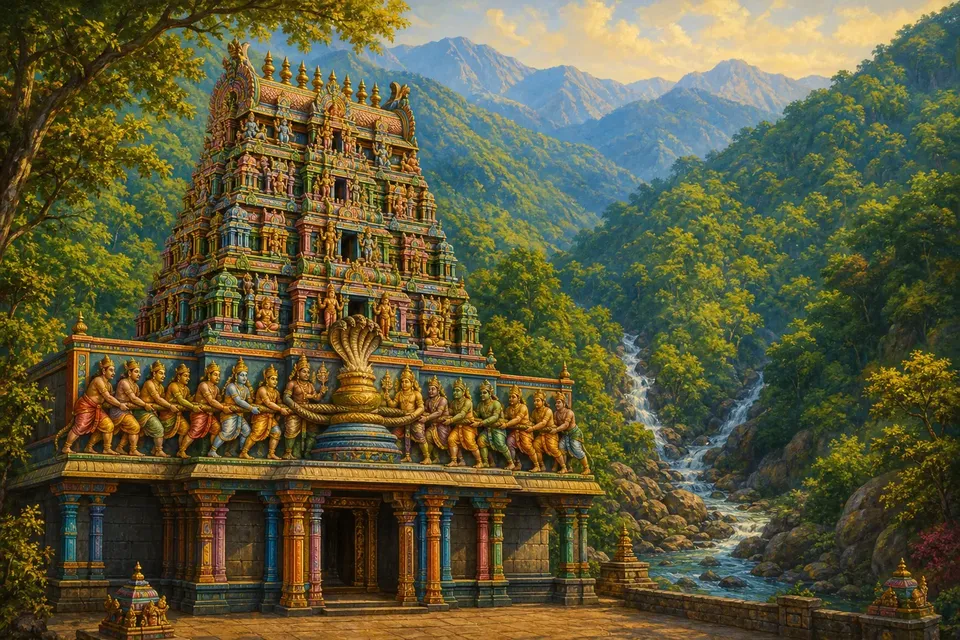 Neelkanth Mahadev TempleUttarakhand
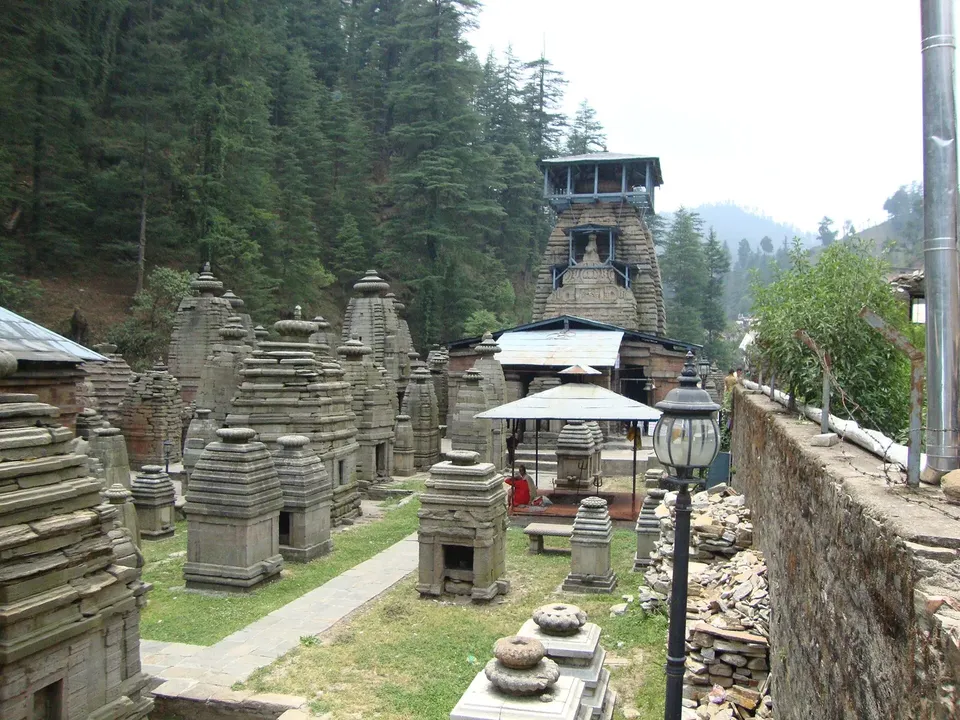 Jageshwar DhamUttarakhand
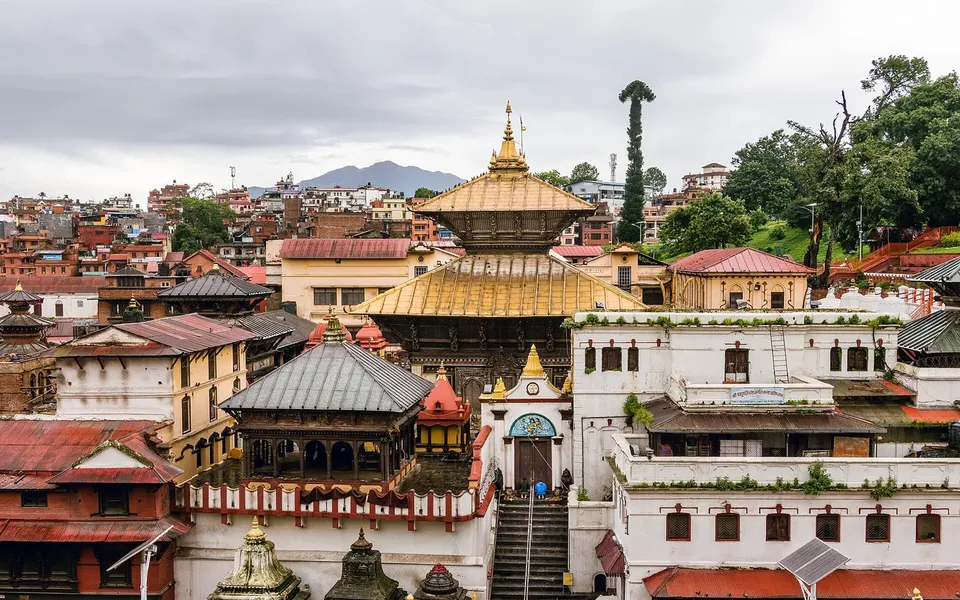 Pashupatinath TempleBagmati Province
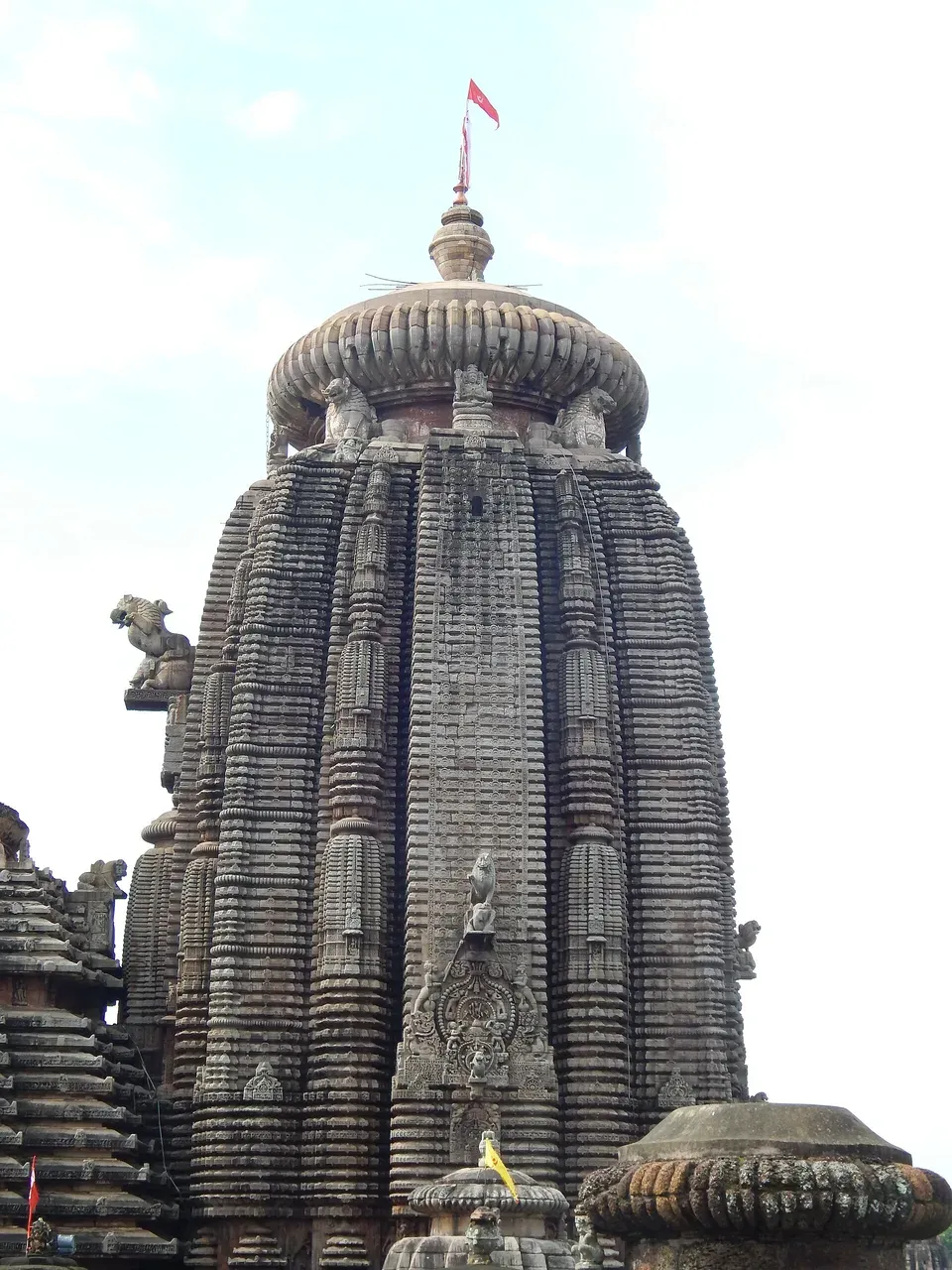 Lingaraj TempleOdisha
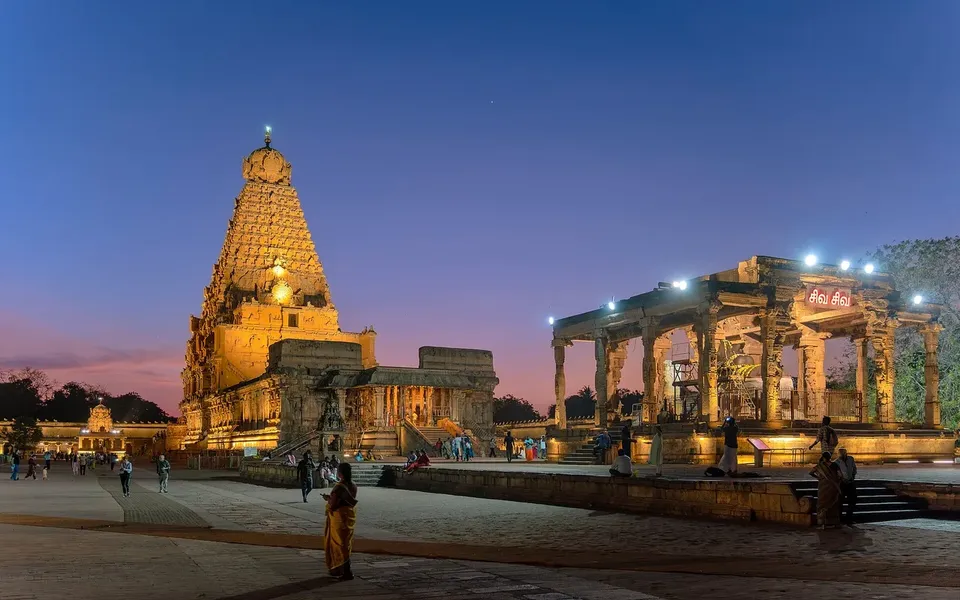 Brihadeeswarar Temple (Thanjavur Big Temple)Tamil Nadu
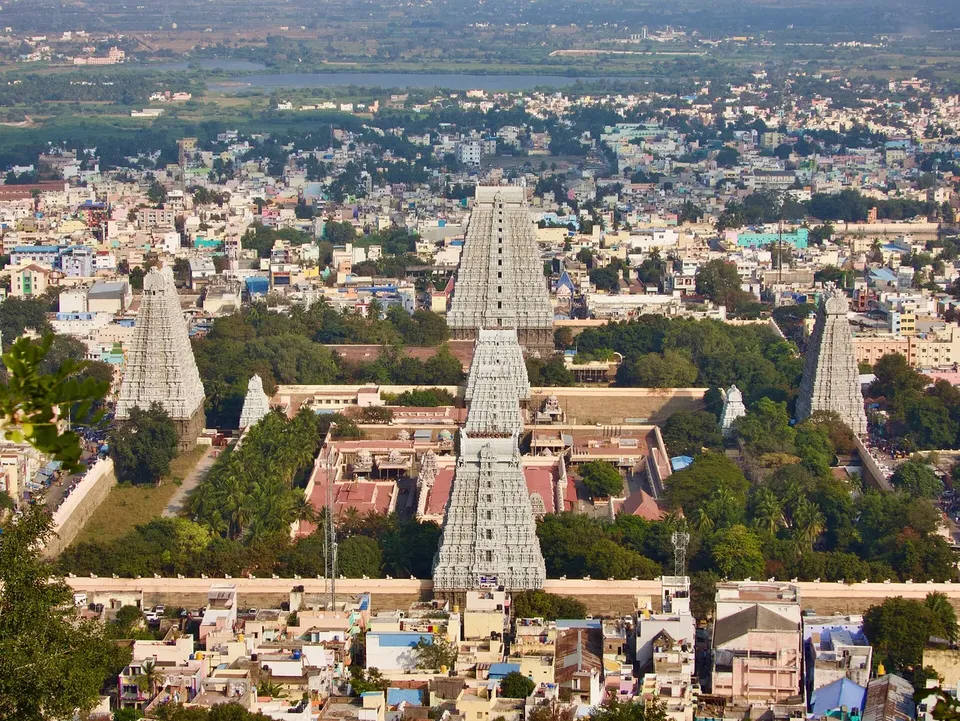 Arunachaleswarar Temple (Annamalaiyar Temple)Tamil Nadu
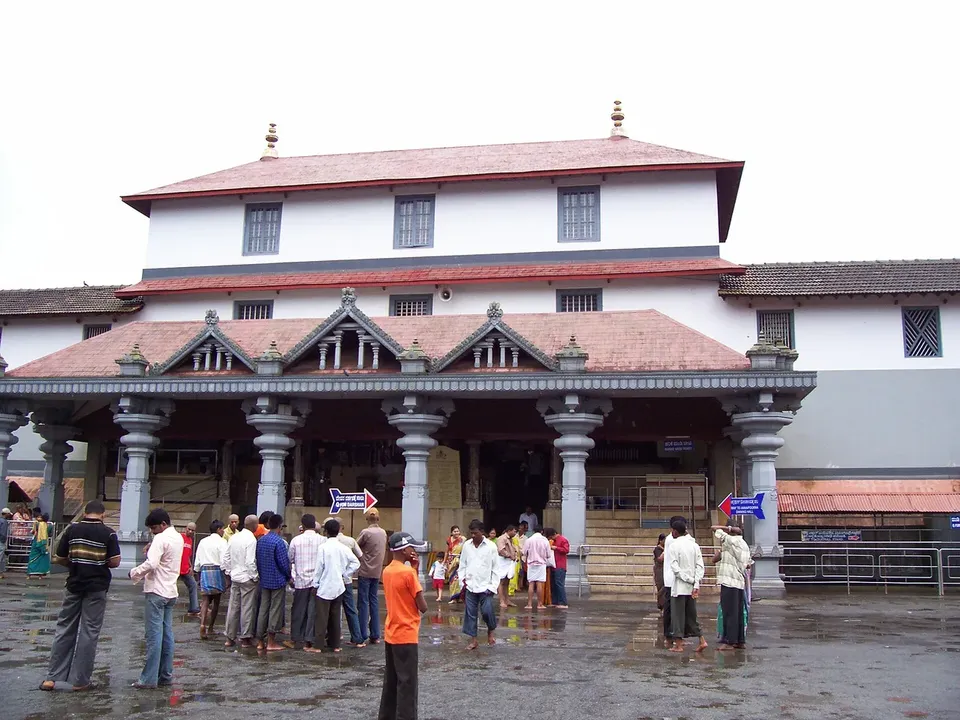 Shri Kshetra Dharmasthala (Shri Manjunatha Swamy Temple)Karnataka
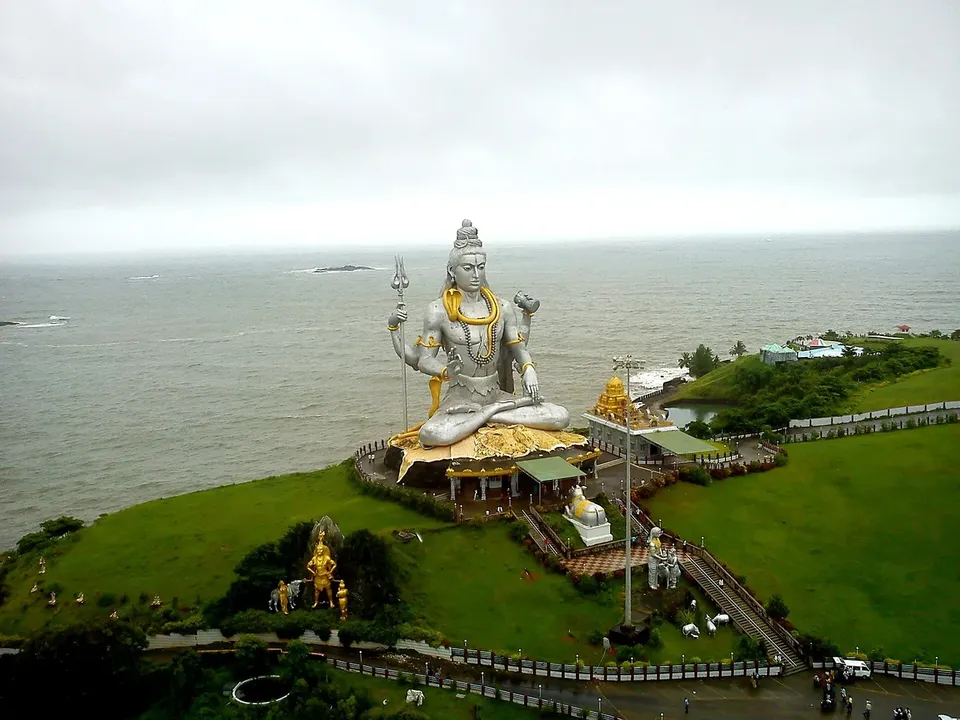 Murudeshwar TempleKarnataka
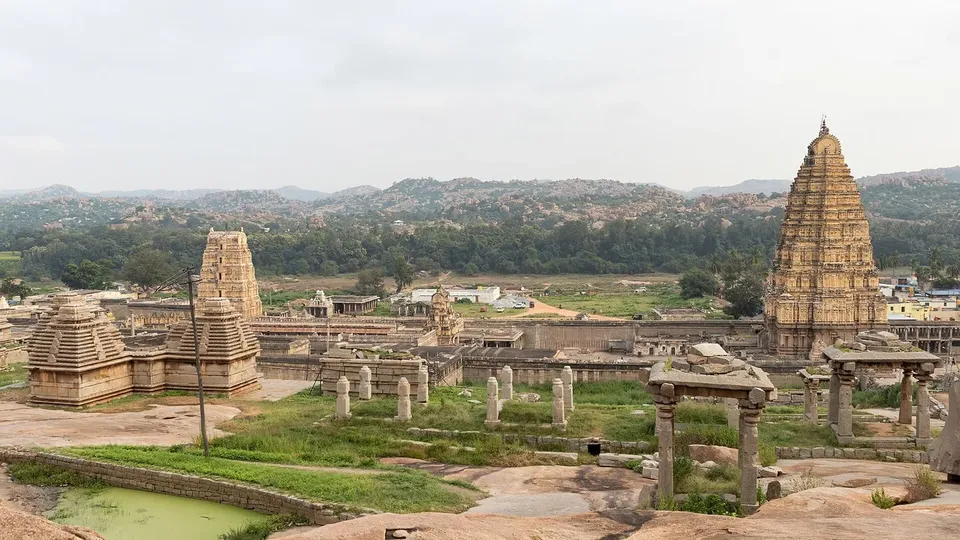 Sri Virupaksha Temple, HampiKarnataka
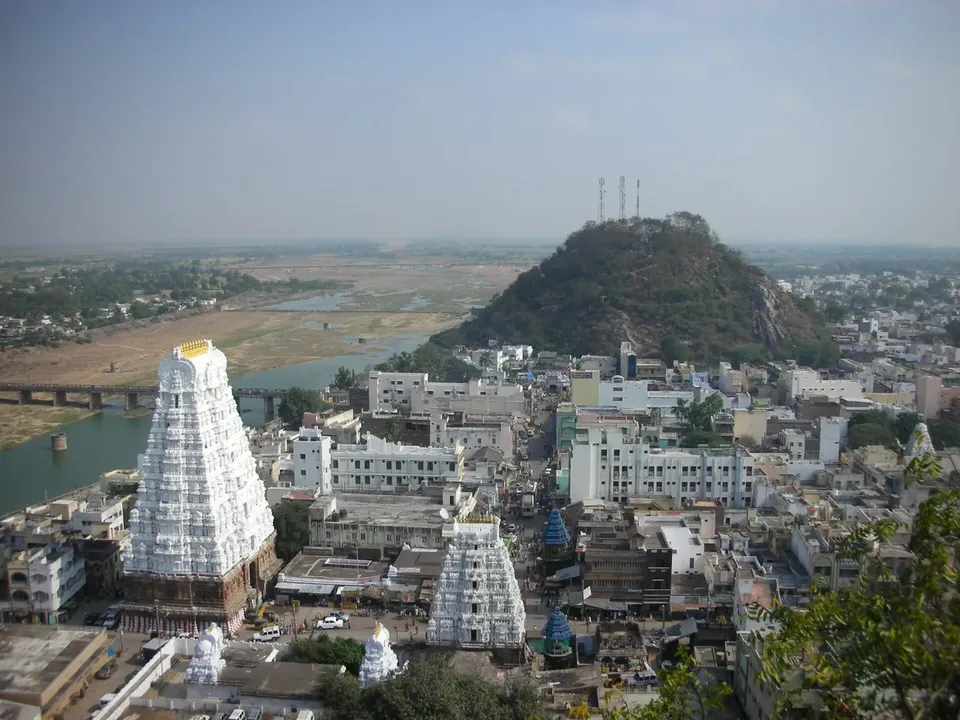 Sri Kalahasteeswara Temple, SrikalahastiAndhra Pradesh
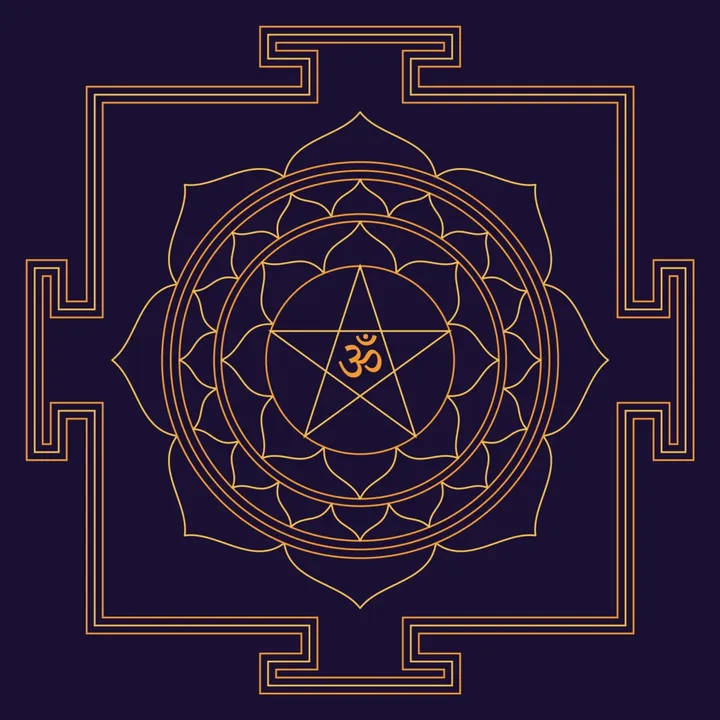
Yantras
Stories for children
Sources
- en.wikipedia.org/wiki/Shiva
- hi.wikipedia.org/wiki/शिव
- en.wikipedia.org/wiki/Samudra_manthan
- hi.wikipedia.org/wiki/समुद्र_मन्थन
- en.wikipedia.org/wiki/Neelkanth_Mahadev_Temple
- bhaktibharat.com/mandir/neelkanth-mahadev
- bharatdiscovery.org/india/नीलकंठ_महादेव
- bharatdiscovery.org/india/शिव
- hi.wikipedia.org/wiki/केतकी
- navbharatlive.com/religion/shivling-puja-mahadev-5-things-not-to-offer…
- en.wikipedia.org/wiki/Maha_Shivaratri
- hi.wikipedia.org/wiki/महाशिवरात्रि
- en.wikipedia.org/wiki/Pradosha
- en.wikipedia.org/wiki/Kanwar_Yatra
- en.wikipedia.org/wiki/Kartika_Purnima