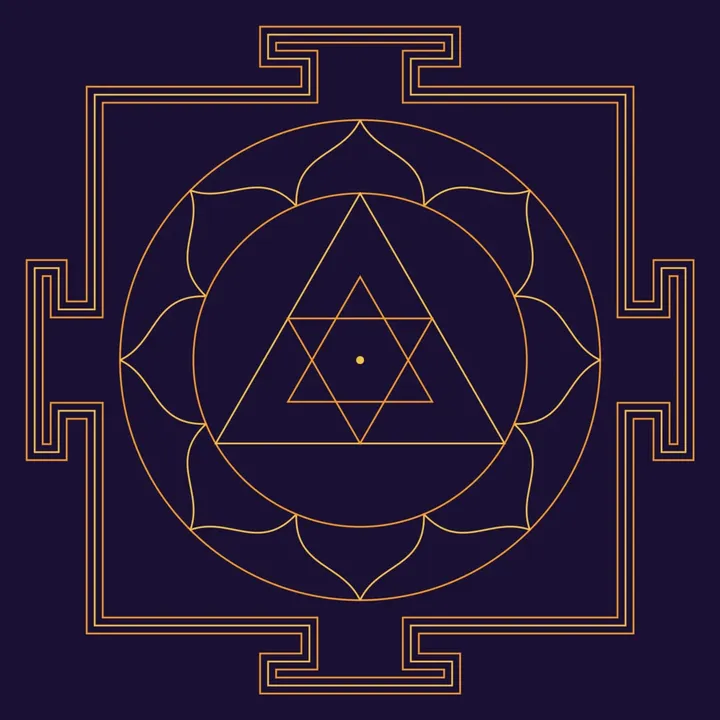
 Karmandir
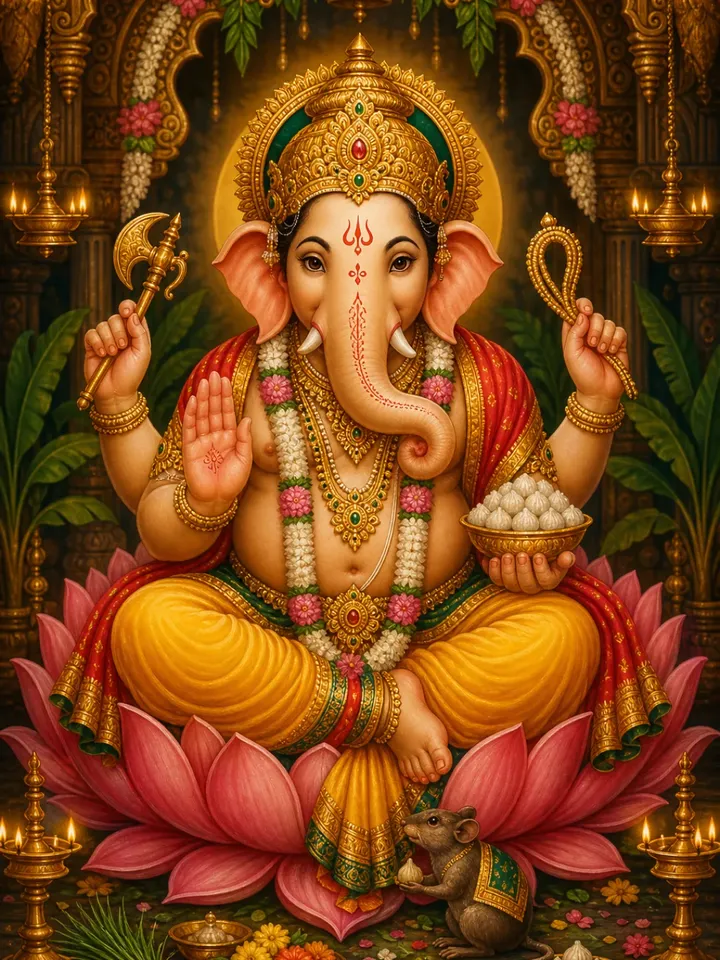
गणपति बप्पा मोरया
About
Ganesh ji, the elephant-headed son of Shiv ji and Maa Parvati, is worshipped first in every puja and at the start of every good work, whether a wedding, a new shop or a child's first day at school. Devotees call him Vighnaharta, the remover of obstacles, and pray to him for good sense and a smooth beginning. He is the lord of Shiv ji's ganas, and is also honoured as a patron of learning and writing. His ten-day Ganesh festival fills homes and streets with joy, especially in Maharashtra, where 'Ganpati Bappa Morya' rings out everywhere.
The story
One day on Mount Kailash, Maa Parvati was getting ready for her bath. From the turmeric paste (ubtan) on her body, she shaped a little boy and gave him life. She told him, 'You are my son. Guard the door and do not let anyone in.'
Soon Shiv ji came home. The boy did not know him, so he stood firm at the door and would not let him enter. In anger, Shiv ji struck off the boy's head. When Maa Parvati saw this, her grief and anger shook all the worlds. To calm her, the boy was given the head of an elephant and brought back to life. Shiv ji blessed him and made him the lord of all his ganas, and so he came to be called Ganpati.
Another well-loved story tells how the devas had to decide who would be worshipped first. It was agreed that whoever went around the earth and came back first would win. The devas raced off on their swift vahans. Ganesh ji's vahan was only a small mouse. So he used his wisdom: he walked around his parents, Shiv ji and Parvati ji, saying that his parents were his whole world. Everyone was delighted with his understanding, and Brahma ji declared him the one to be worshipped first.
These stories teach children to honour their parents and to use their mind, not just their strength.
How they are shown
Ganesh ji has an elephant head, a large belly and usually four hands. His big head and ears are often read as signs of wisdom and careful listening. One tusk is broken, so he is called Ekdant. His hands hold an ankush (goad), a pasha (noose) and a bowl of modak, and the fourth gives blessing. His large belly gives him the name Lambodar. His small vahan, the mouse (mushak), sits near his feet; many see it as desire brought under control. Red flowers and durva grass are part of his worship.
How to worship
Wednesday (Budhvar); also the Chaturthi tithi of every month
Modak, besan laddoo and bananas; with durva grass, red flowers and red sandalwood paste.
Begin every puja with Ganesh ji. Place his picture or murti on a clean red or yellow cloth and light a diya. Offer a few blades of durva grass, red flowers, a tilak of red sandal and a modak or laddoo. Chant 'Om Gan Ganapataye Namah' 108 times, or say the shloka 'Vakratunda Mahakaya' once with folded hands before starting any work. Then sing the aarti 'Jai Ganesh Jai Ganesh Jai Ganesh Deva'. On Sankashti Chaturthi many families keep a fast and break it at night after seeing the moon.
Their festivals
- Ganesh Chaturthi Bhadrapad Shukla Chaturthi; the festival lasts ten days
- Anant Chaturdashi (Ganesh visarjan) Bhadrapad Shukla Chaturdashi
- Sankashti Chaturthi Krishna Chaturthi of every month; the fast ends after moonrise
- Vinayaka Chaturthi Shukla Chaturthi of every month
- Sakat Chauth Magh Krishna Chaturthi
- Ganesh Jayanti (Maghi Chaturthi) Magh Shukla Chaturthi
Aarti, chalisa and katha
Temples and tirth
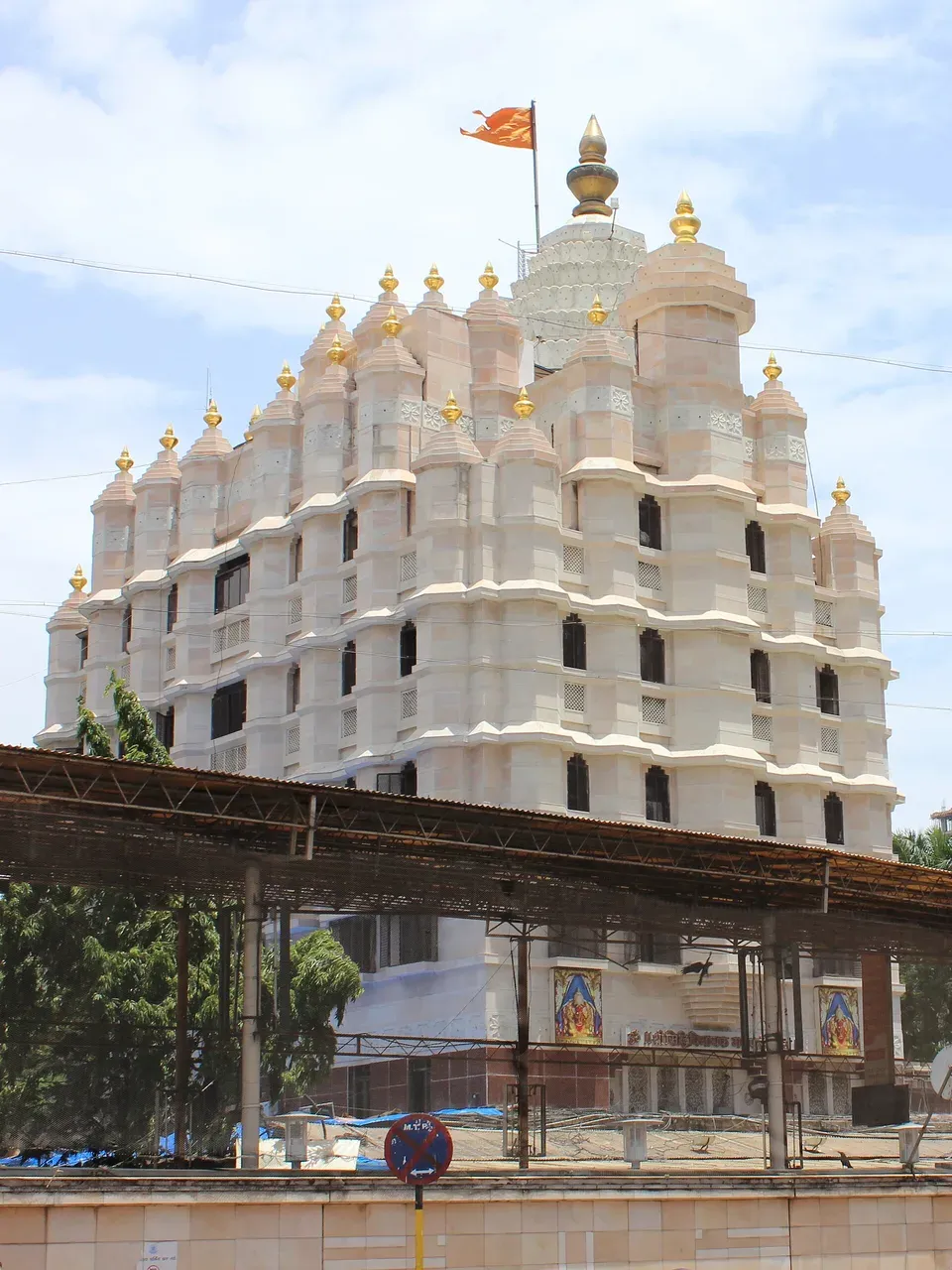 Shree Siddhivinayak TempleMaharashtra
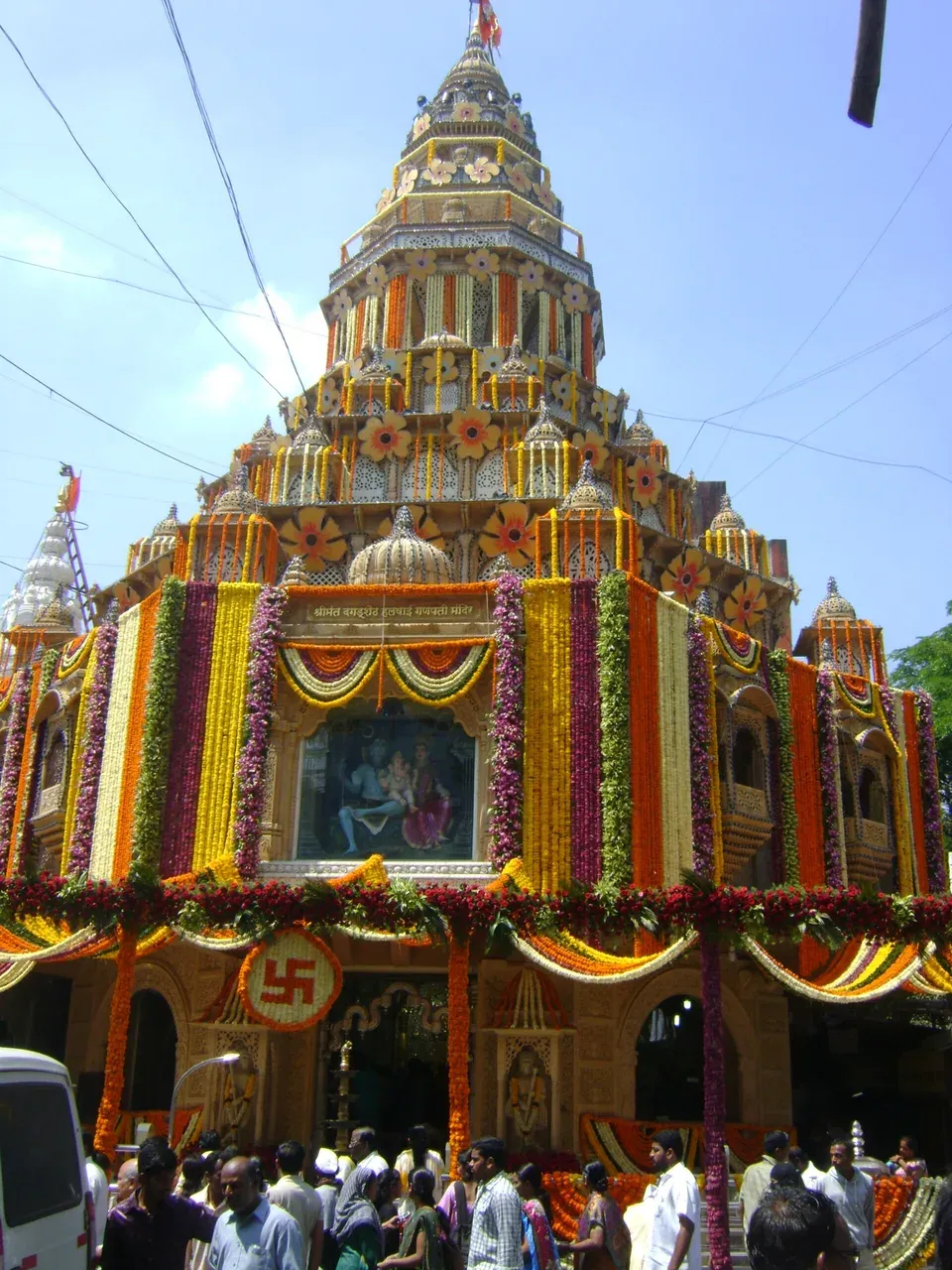 Shrimant Dagdusheth Halwai GanpatiMaharashtra
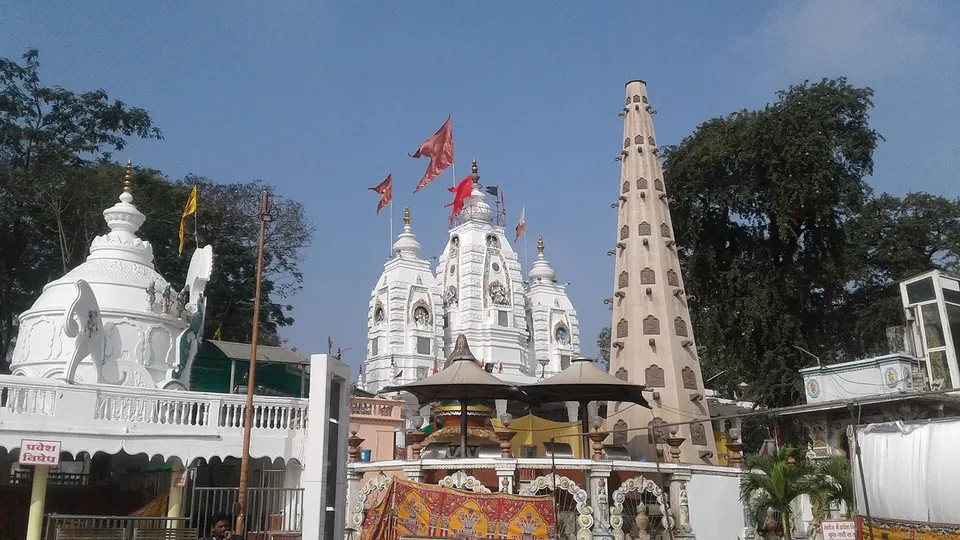 Khajrana Ganesh TempleMadhya Pradesh
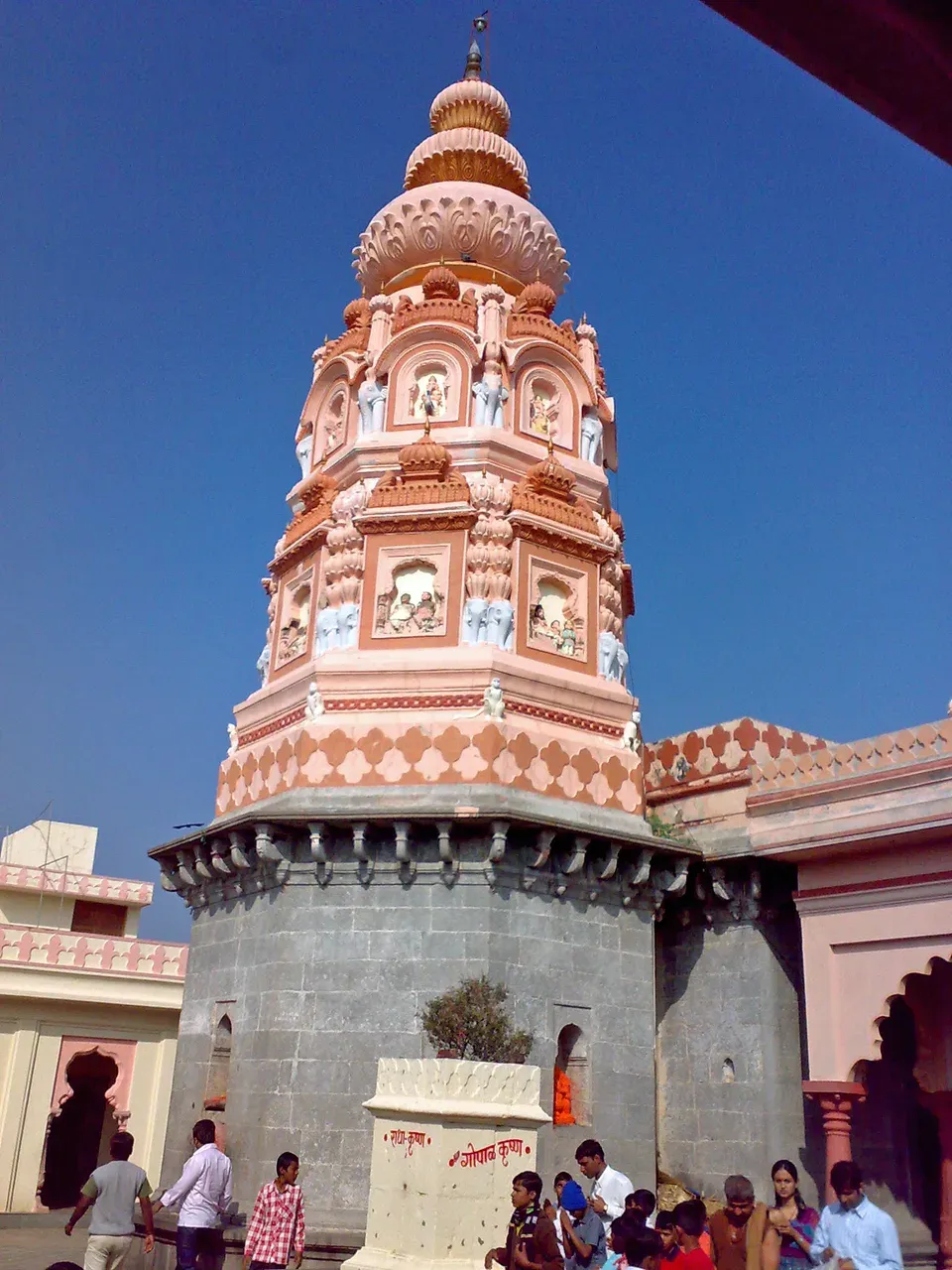 Shri Mayureshwar, MorgaonMaharashtra
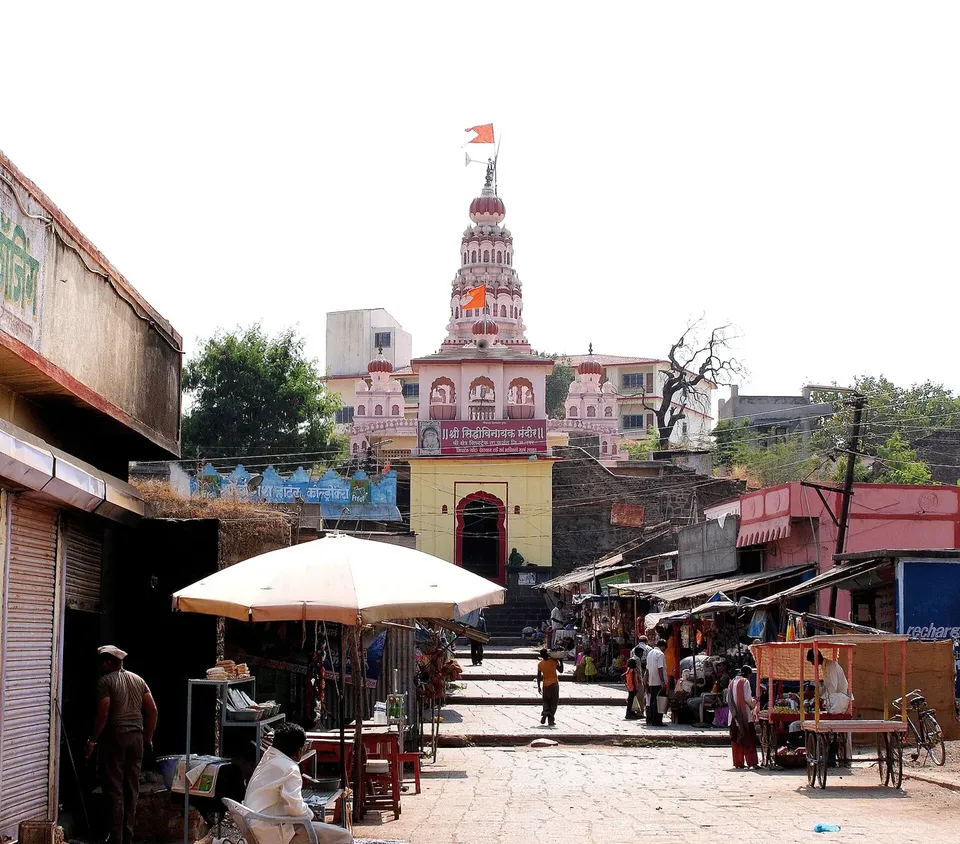 Shri Siddhivinayak, SiddhatekMaharashtra
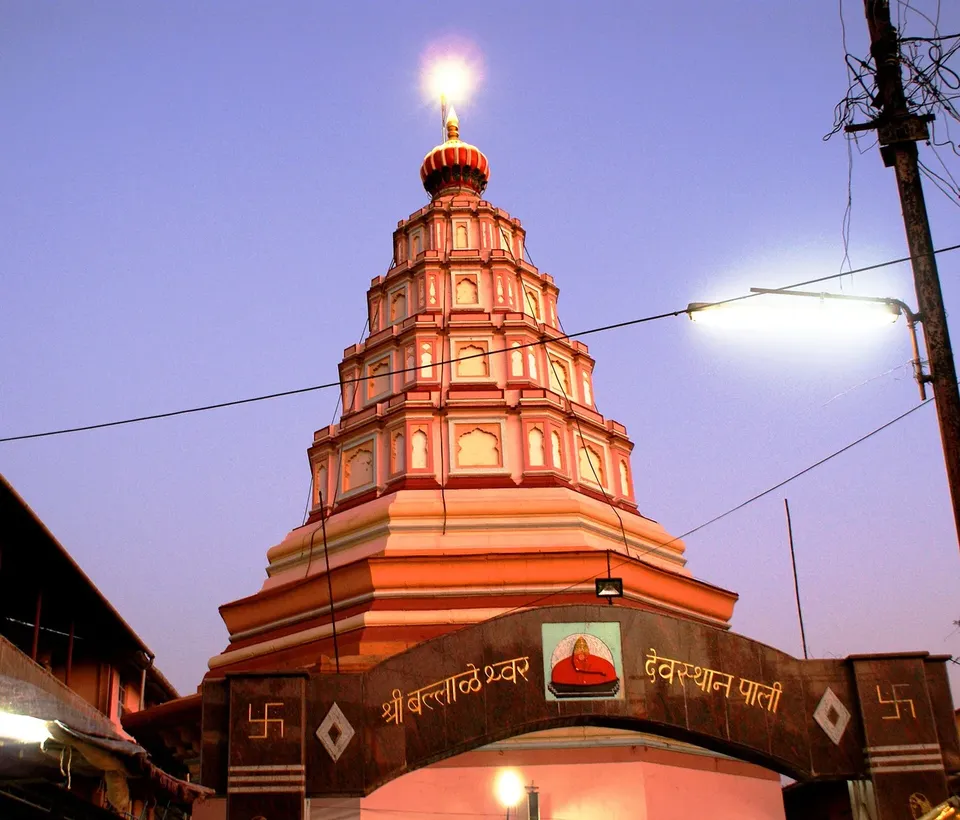 Shri Ballaleshwar, PaliMaharashtra
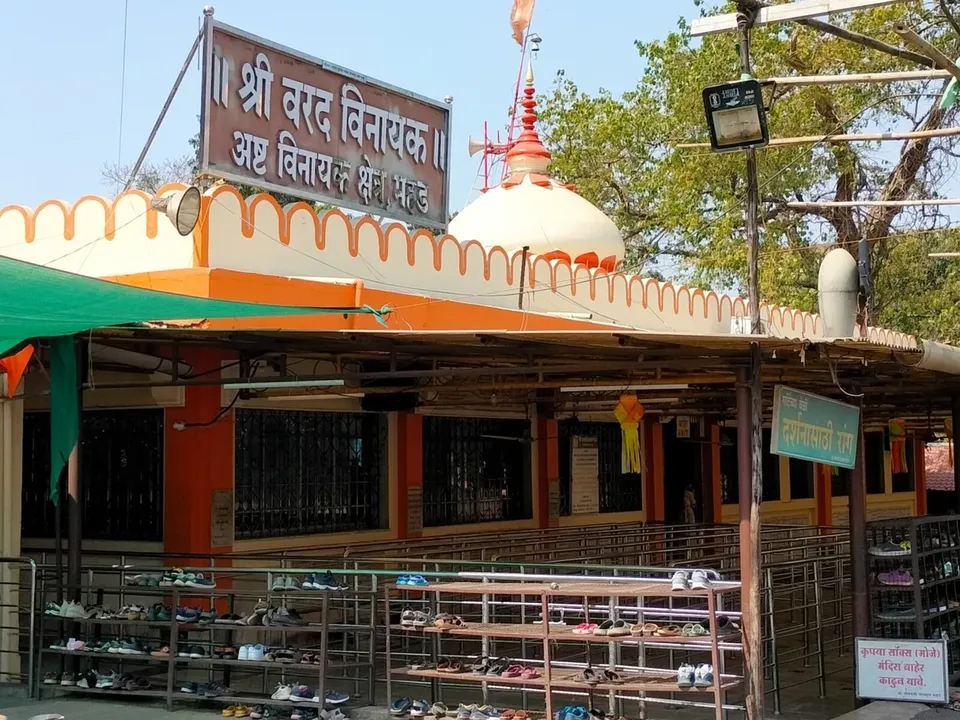 Shri Varadvinayak, MahadMaharashtra
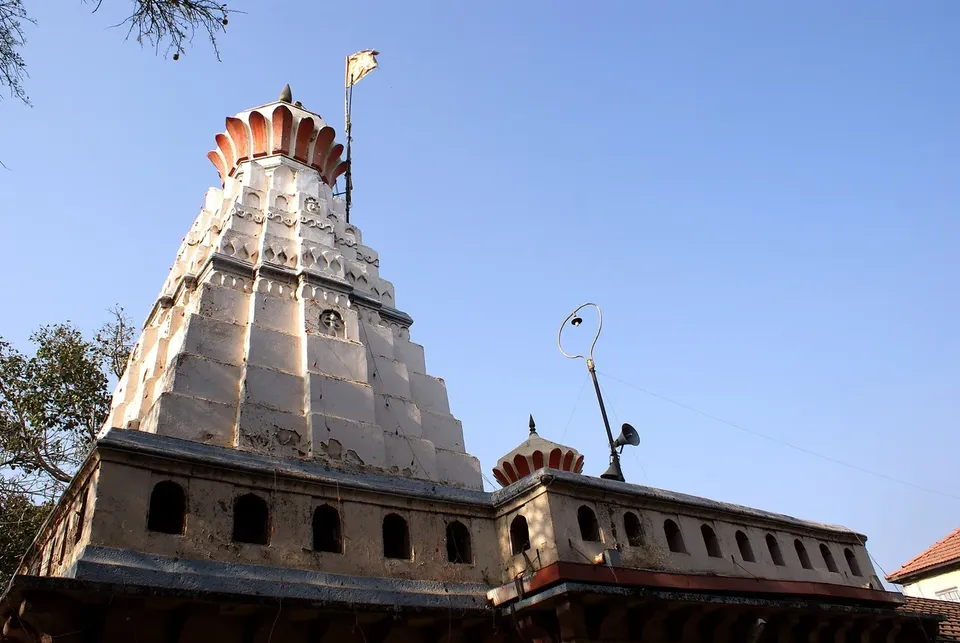 Shri Chintamani, TheurMaharashtra
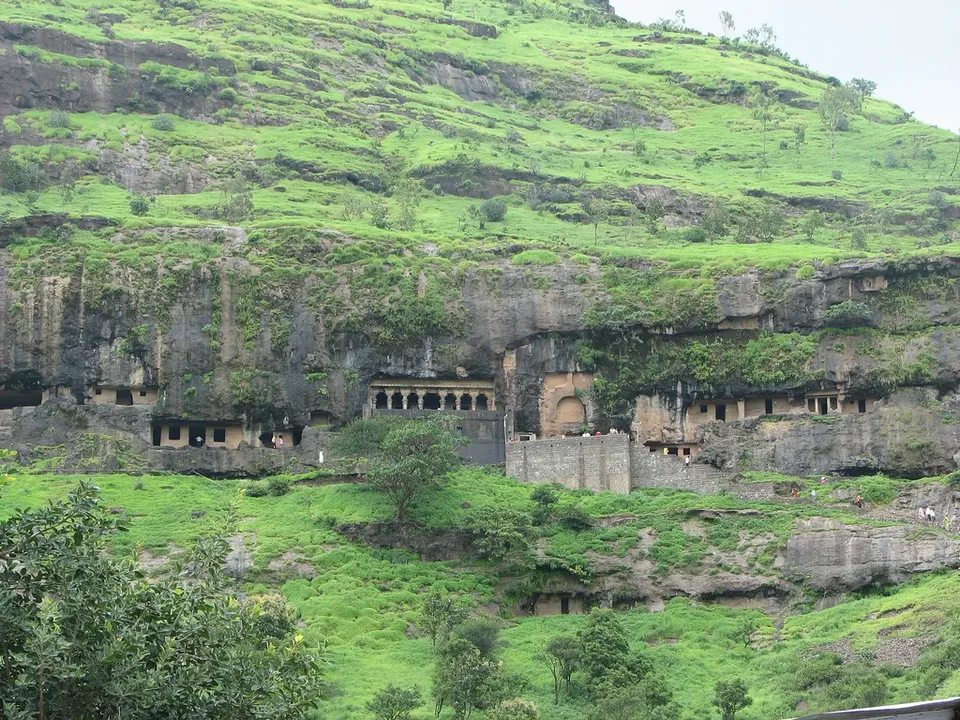 Shri Girijatmaj, LenyadriMaharashtra
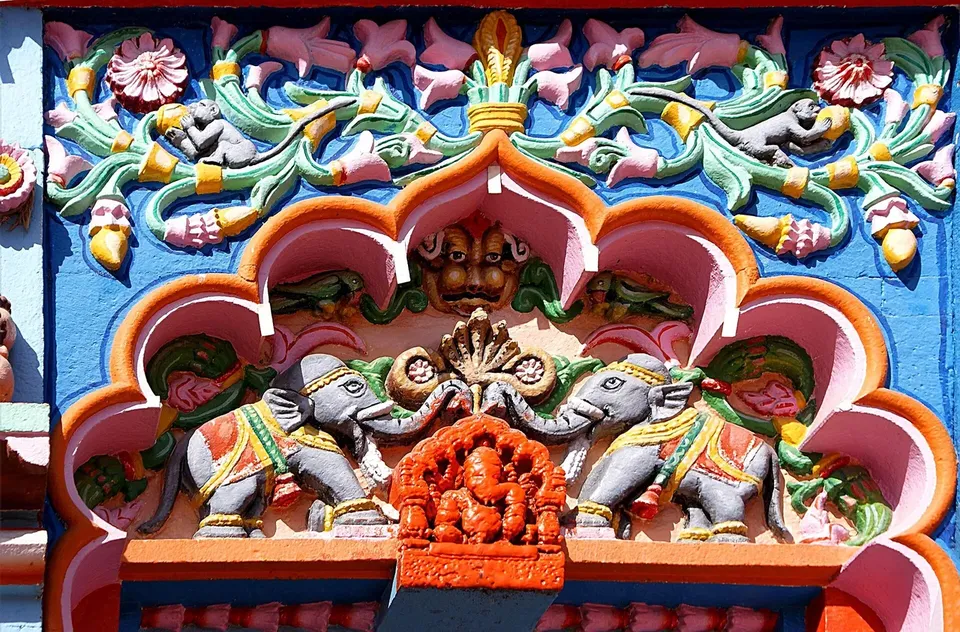 Shri Vighneshwar, OzarMaharashtra
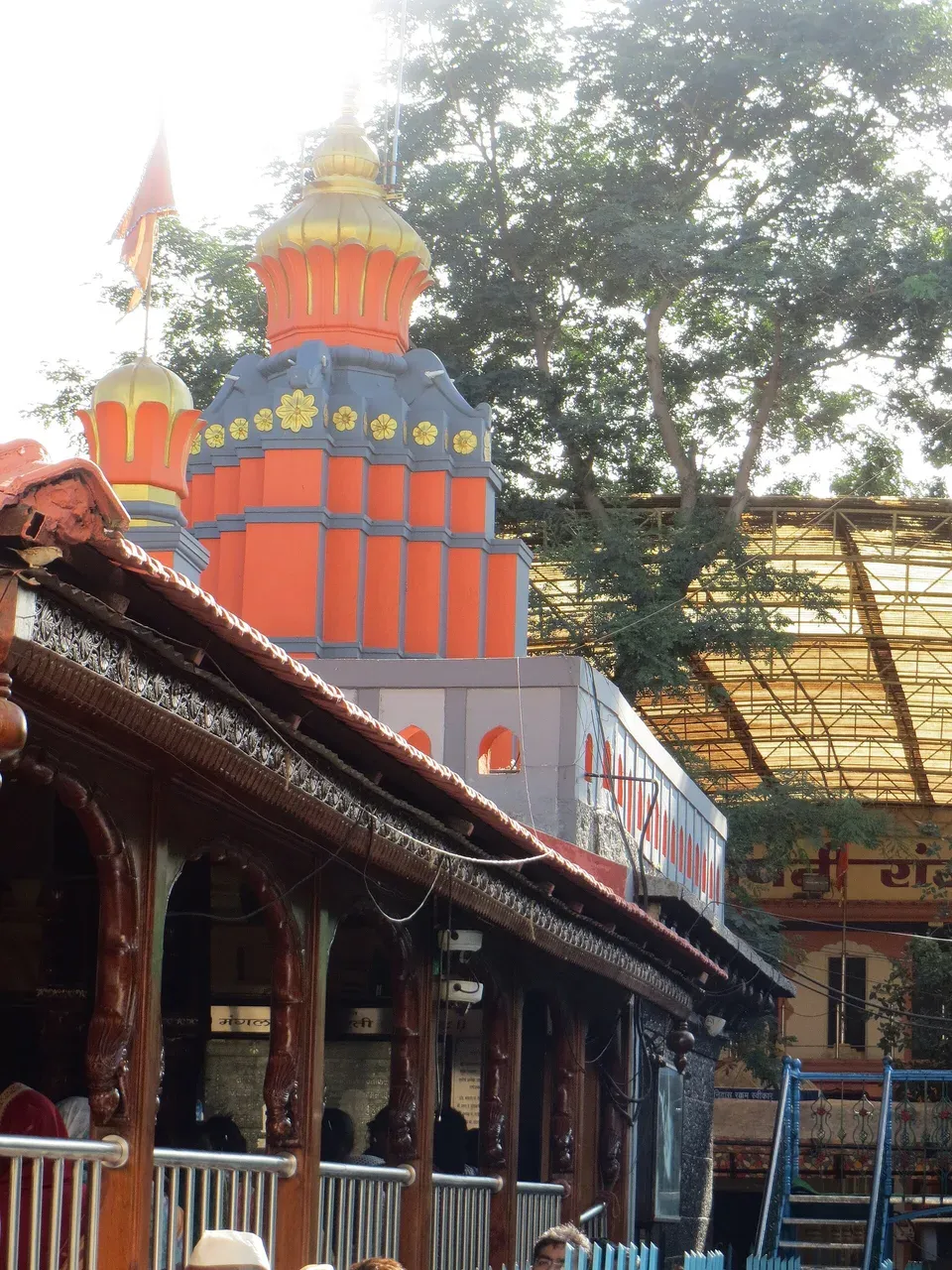 Shri Mahaganapati, RanjangaonMaharashtra