 Karmandir
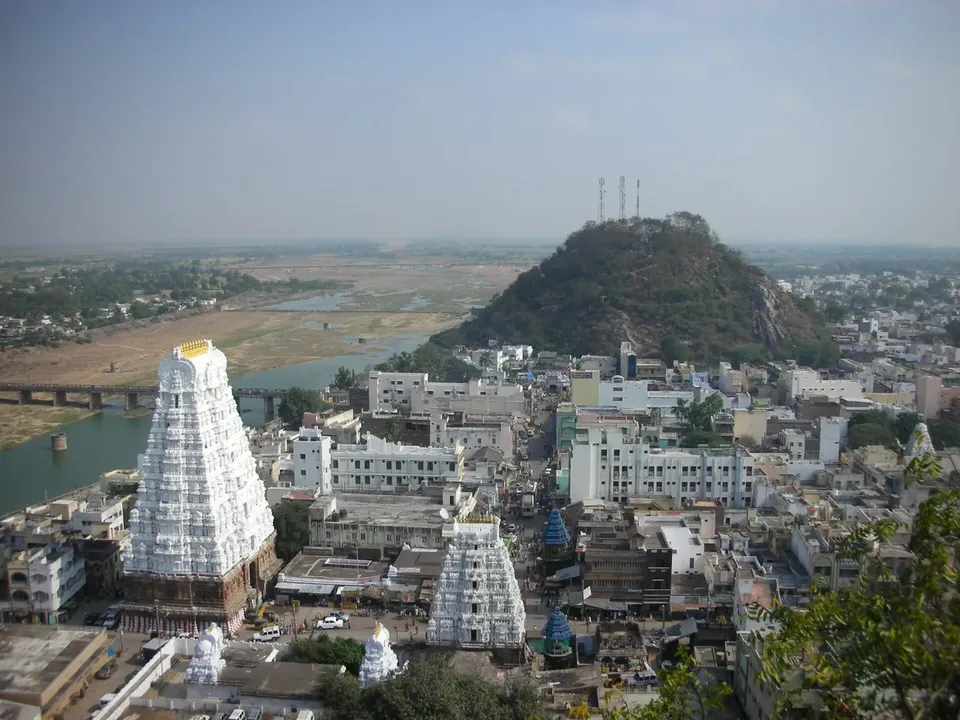
Sri Kalahasteeswara Temple, Srikalahasti
Srikalahasti, Tirupati district, Andhra Pradesh
About
The Sri Kalahasteeswara temple of Srikalahasti stands on the bank of the Swarnamukhi river at the foot of a hill, about 36 km from Tirupati. It is one of the Pancha Bhuta Sthalams, where Shiv ji is worshipped as one of the five elements, here as air (vayu), and its lingam is called the Vayu Lingam. The tall white stone lingam is seen in the light of oil lamps. The temple is also called Dakshina Kailasam, the Kailash of the South, and the Tevaram saints sang its praise. The large shrine of Mata Gnana Prasunambika is also in the complex. Many devotees come here for the Rahu-Ketu puja, and by temple custom it stays open even during eclipses.
The story
The name of this place is said to come from three creatures: Sri, the spider; Kala, the snake; and Hasti, the elephant. The story says all three worshipped the lingam here in their own way: the spider wove a web over it to give it shade, the snake coiled around it in worship, and the elephant brought water in its trunk to bathe it. Pleased by their true devotion, Shiv ji gave all three moksha, and their marks are believed to be on the lingam still. The best-loved story here is that of the devotee Kannappa. Kannappa was a hunter whose devotion was simple and true. One day he saw blood flowing from one eye on the lingam. Without a thought he took out one of his own eyes and placed it there. Then the other eye began to bleed, and he got ready to give his second eye too. At that moment Shiv ji appeared, stopped his hand and granted him moksha. Another story says Vayu, the wind god, did tapasya here for thousands of years, so the lingam is called the Vayu Lingam. In history, Chola kings built the main structure in the 11th century, and in 1516 Emperor Krishnadevaraya built the tall gopuram and the hundred-pillared hall. That old gopuram fell in 2010; it was rebuilt in the same form and consecrated on 18 January 2017.
Visiting
October to February is a good time; summers are very hot. Many families visit here along with their Tirumala yatra. The shrine of Bhakta Kannappa is on the nearby hill, and Bharadwaja Tirtham and the valley of a thousand lingas are around too.
Festivals
- Maha Shivratri Brahmotsavam: 13 days (February to March), beginning with the Kannappa flag hoisting
- Navratri: special alankarams for Mata Gnana Prasunambika
- Kartik month: special worship on Mondays and Pradosh evenings
Famous temples
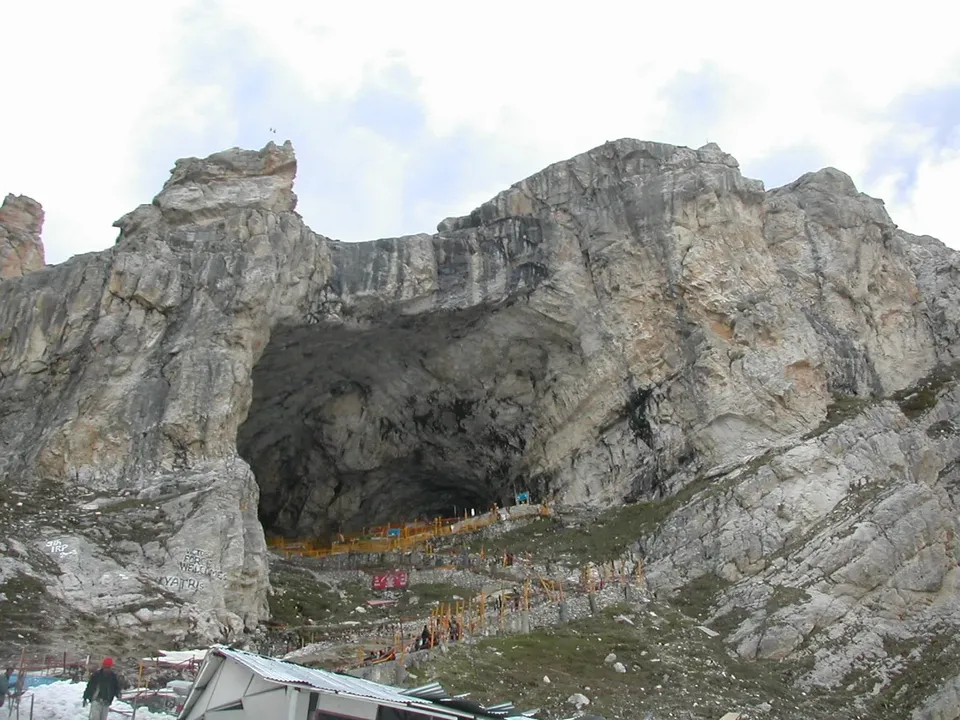 Amarnath CaveJammu and Kashmir
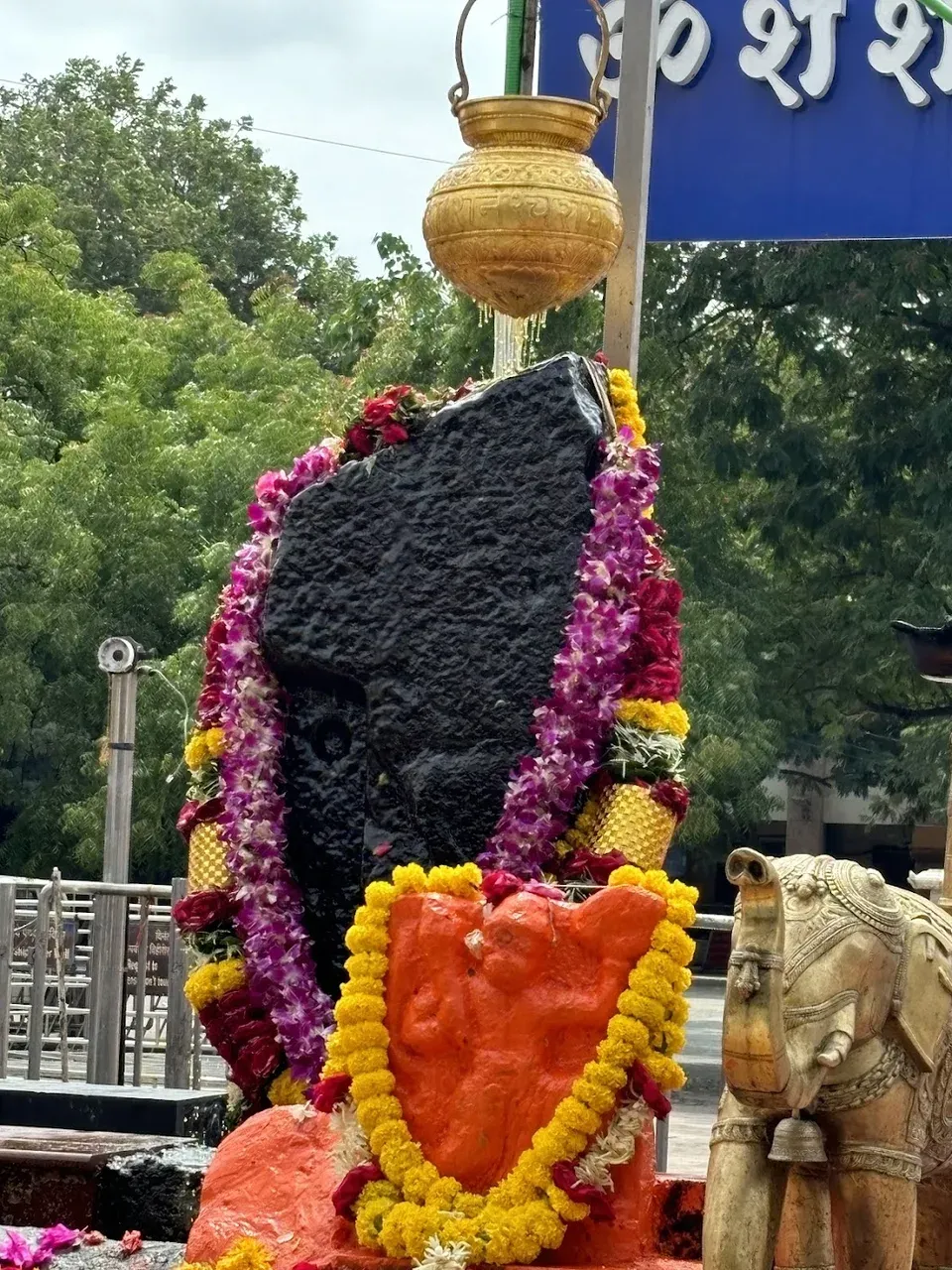 Shani ShingnapurMaharashtra
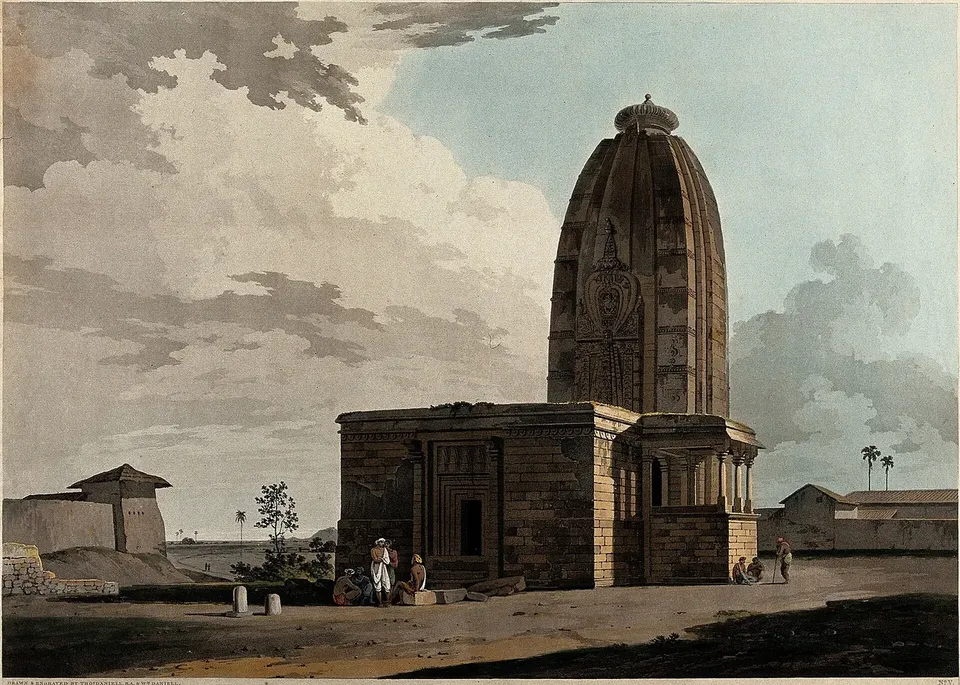 Deo Surya Mandir (Devark)Bihar
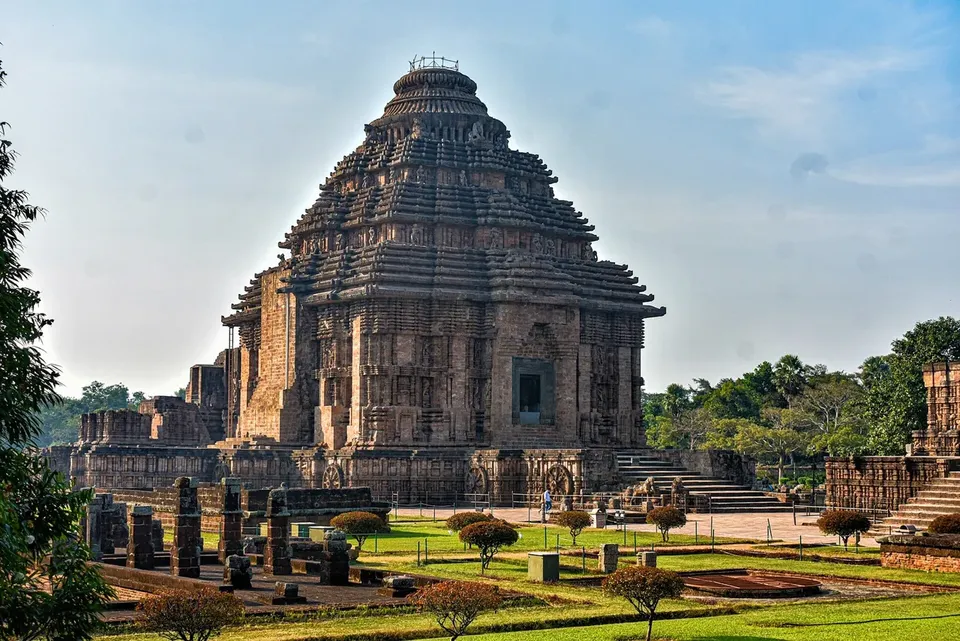 Konark Sun TempleOdisha
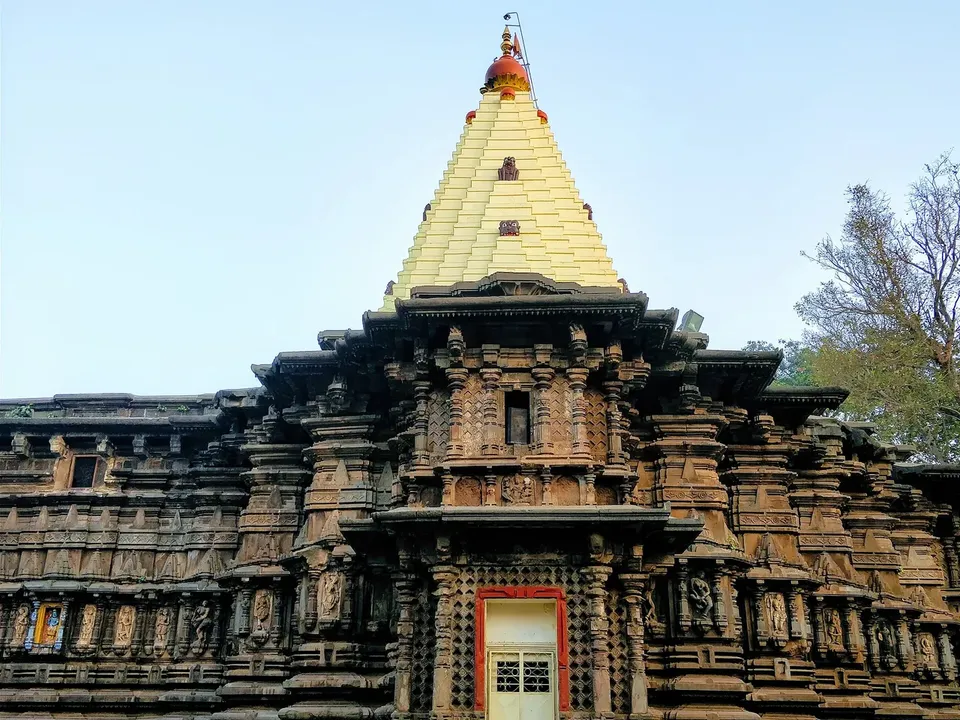 Shri Mahalakshmi (Ambabai) Temple, KolhapurMaharashtra
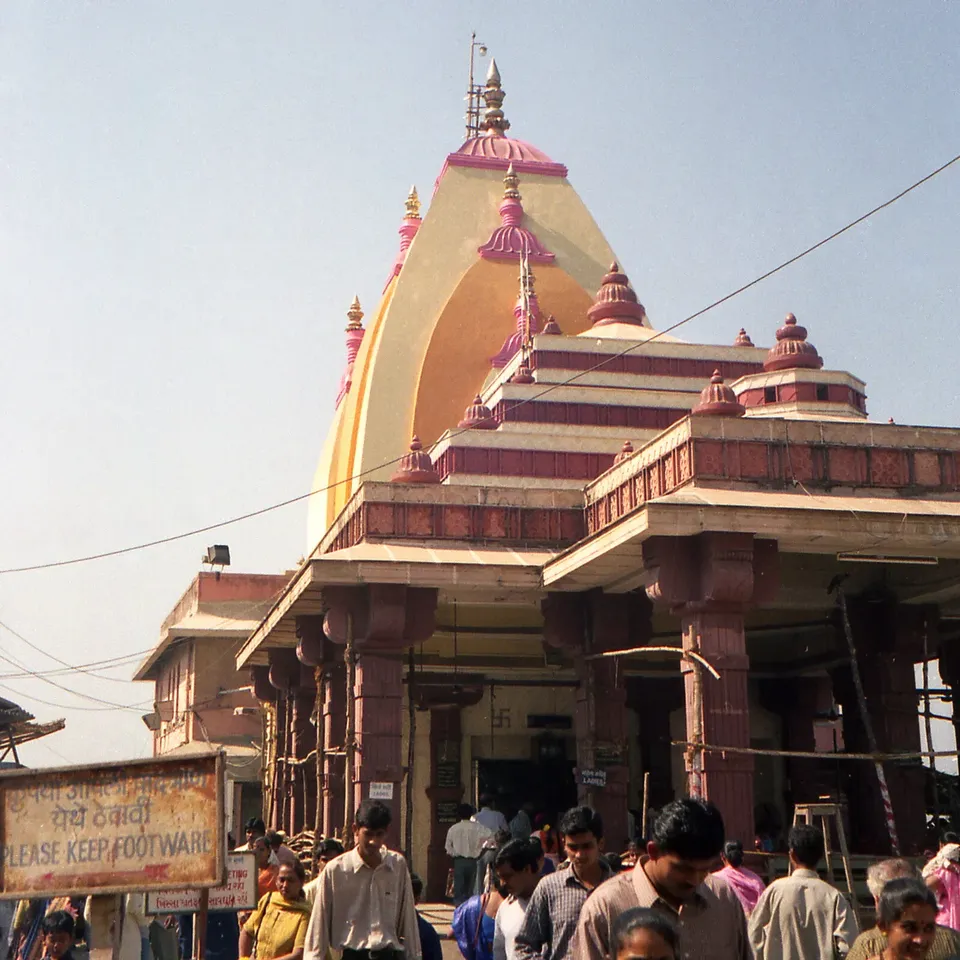 Mahalakshmi Temple, MumbaiMaharashtra
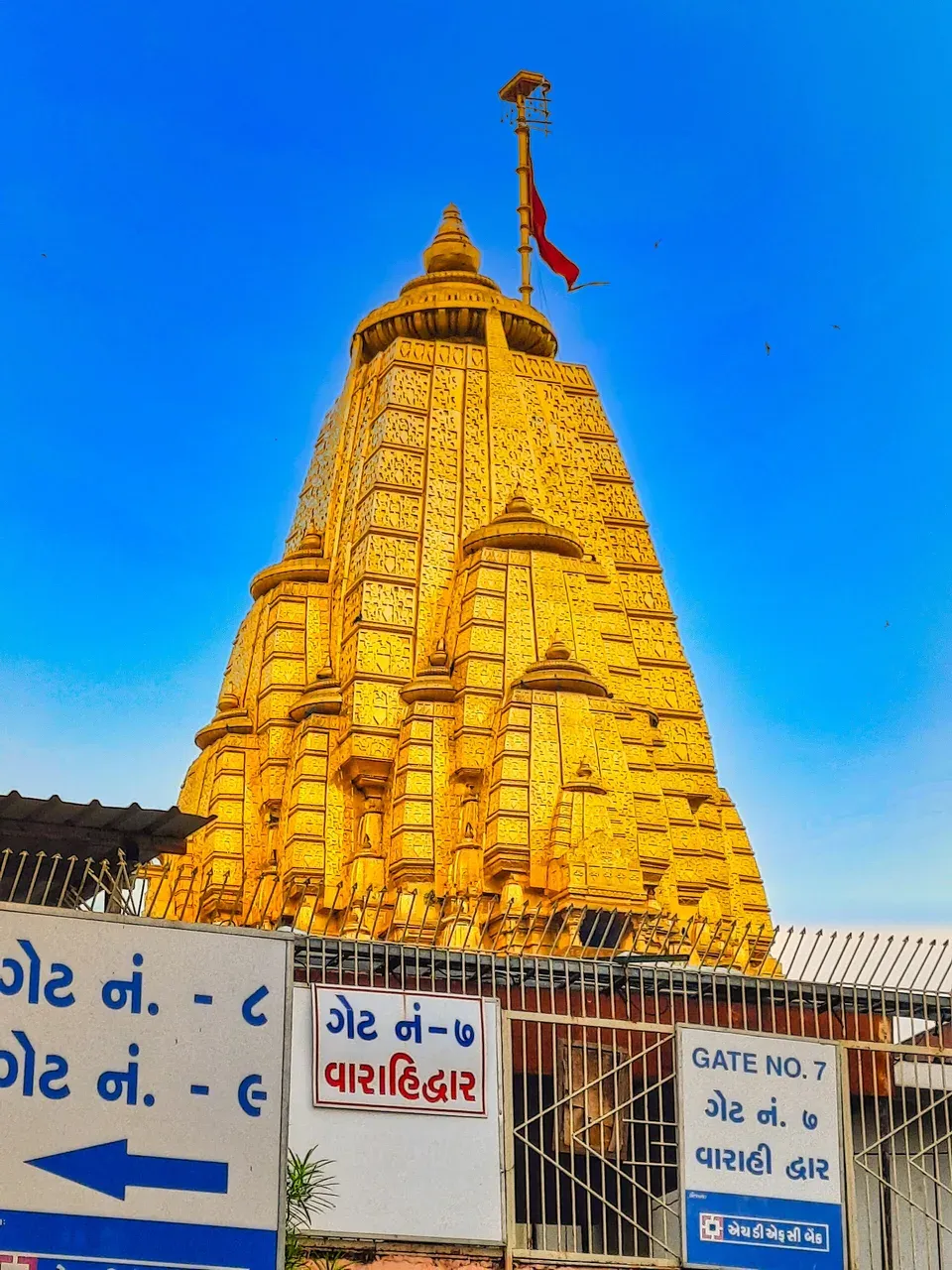 Ambaji Mata TempleGujarat
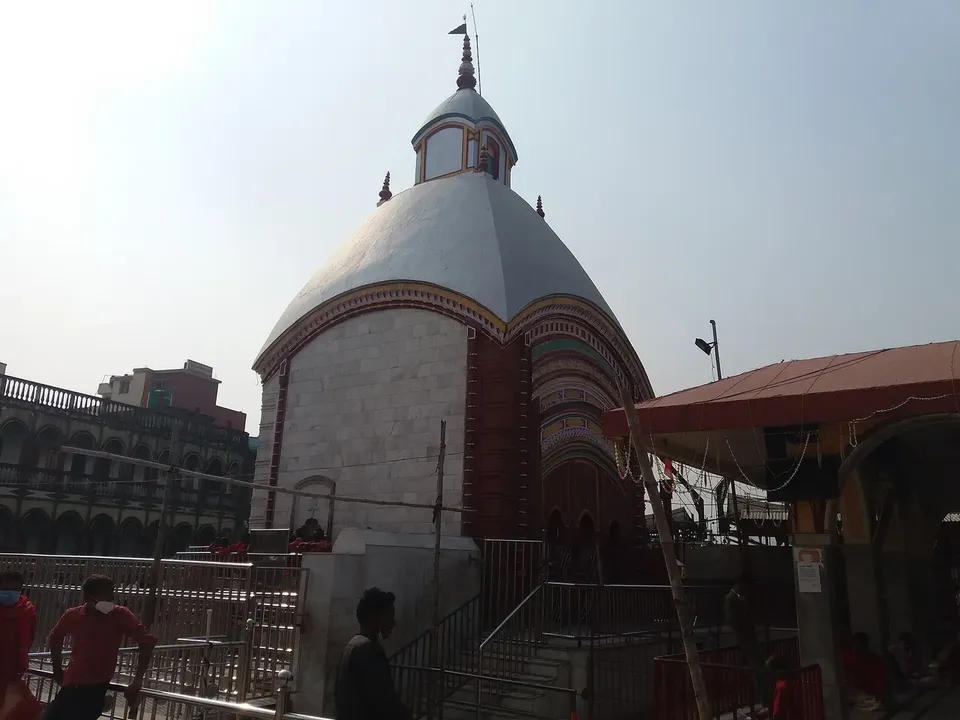 TarapithWest Bengal
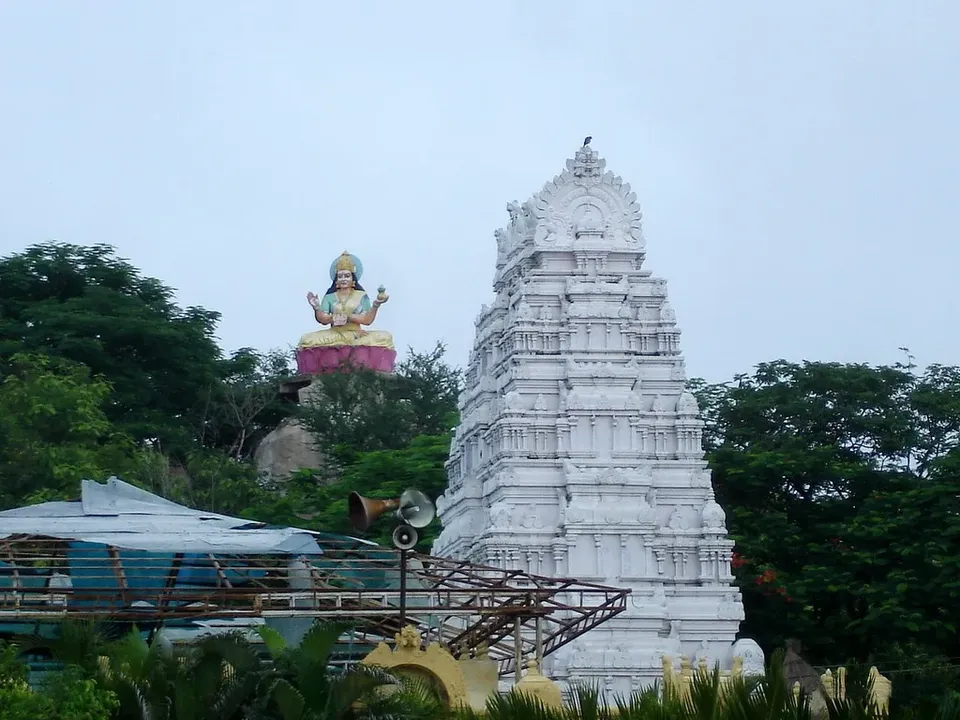 Gnana Saraswati Temple, BasarTelangana
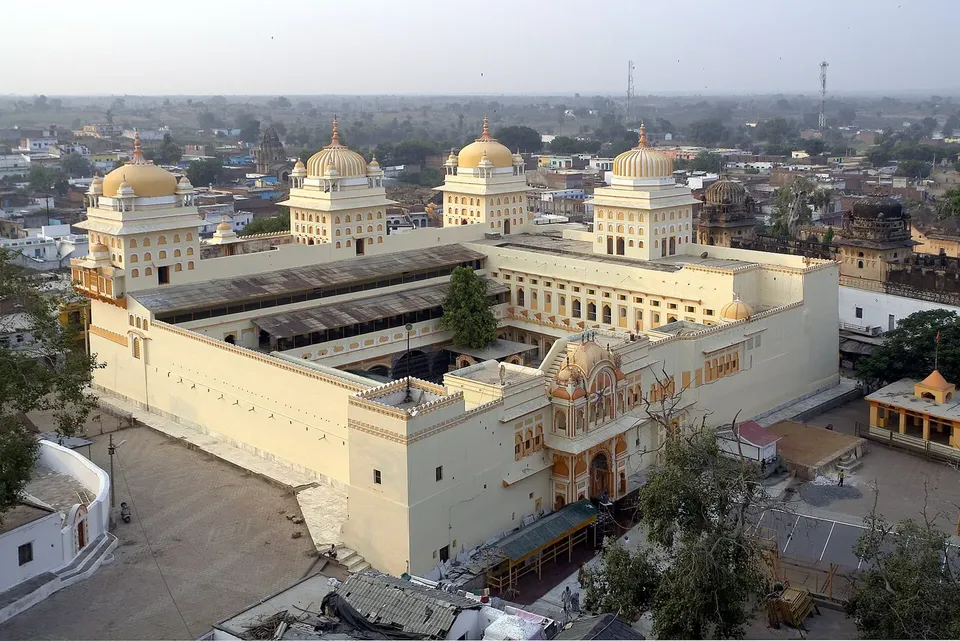 Ram Raja Temple, OrchhaMadhya Pradesh
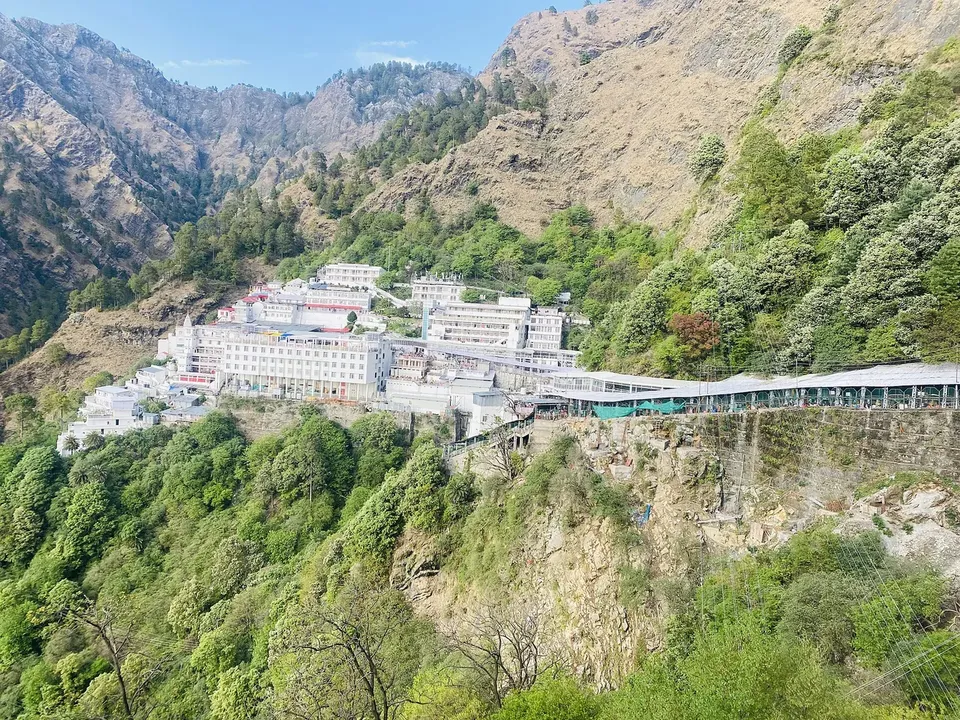 Mata Vaishno DeviJammu and Kashmir
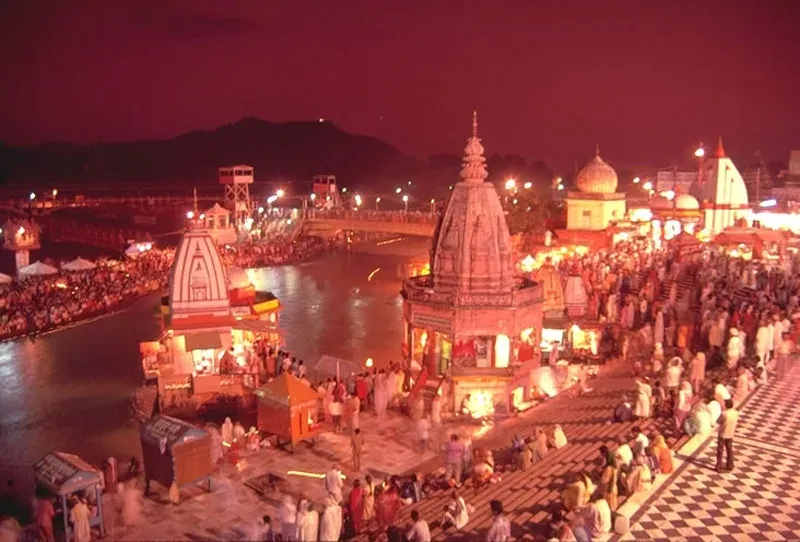 Har Ki Pauri (Ganga Aarti)Uttarakhand