 Karmandir
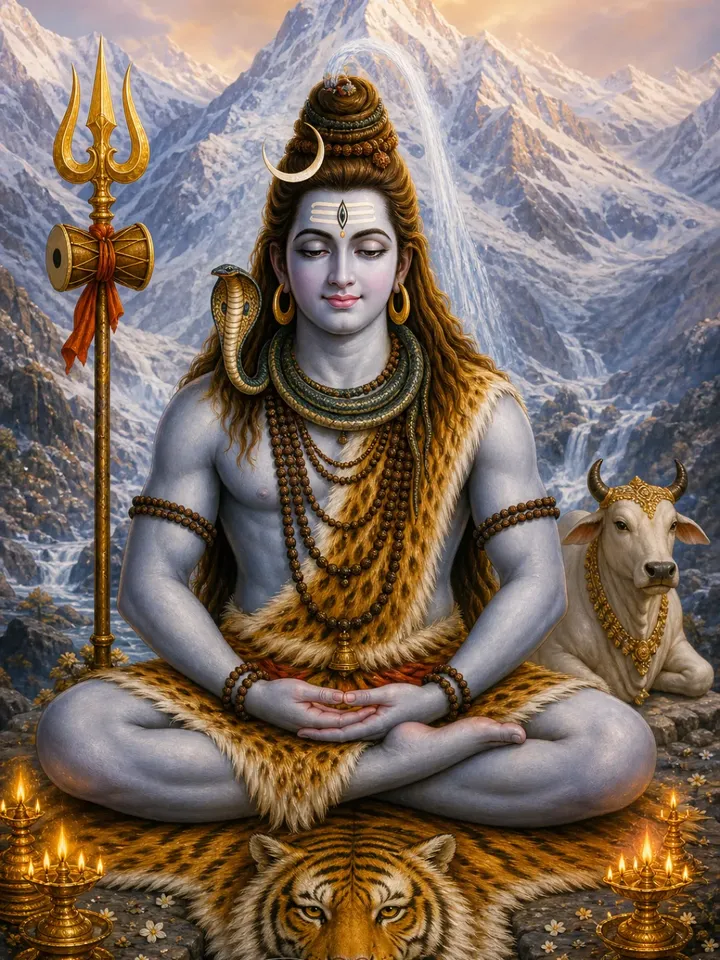
This short stotra names the twelve jyotirlingas of Shiv and the place of each. Many families recite it in the morning and the evening. It is a simple way to remember all twelve dhams together.
Dwadash Jyotirlinga Stotram
सौराष्ट्रे सोमनाथं च श्रीशैले मल्लिकार्जुनम् ।
उज्जयिन्यां महाकालमोङ्कारममलेश्वरम् ॥१॥
परल्यां वैद्यनाथं च डाकिन्यां भीमशङ्करम् ।
सेतुबन्धे तु रामेशं नागेशं दारुकावने ॥२॥
वाराणस्यां तु विश्वेशं त्र्यम्बकं गौतमीतटे ।
हिमालये तु केदारं घुश्मेशं च शिवालये ॥३॥
एतानि ज्योतिर्लिङ्गानि सायं प्रातः पठेन्नरः ।
सप्तजन्मकृतं पापं स्मरणेन विनश्यति ॥४॥
In Roman script
Saurashtre Somanatham cha Shrishaile Mallikarjunam |
Ujjayinyam Mahakalam Omkaram Amaleshwaram ||1||
Paralyam Vaidyanatham cha Dakinyam Bhimashankaram |
Setubandhe tu Ramesham Nagesham Darukavane ||2||
Varanasyam tu Vishwesham Tryambakam Gautamitate |
Himalaye tu Kedaram Ghushmesham cha Shivalaye ||3||
Etani jyotirlingani sayam pratah pathennarah |
Saptajanmakritam papam smaranena vinashyati ||4||
In English
Somnath in Saurashtra and Mallikarjuna on Shrishailam;
Mahakal in Ujjain, and Omkar with Amaleshwar.
Vaidyanath at Parli and Bhimashankar in Dakini;
Rameshwar at Setubandh, and Nageshwar in the Daruka forest.
Vishweshwar in Varanasi and Tryambak on the bank of the Gautami (Godavari);
Kedar in the Himalaya, and Ghushmeshwar at Shivalaya.
The verse says: whoever recites these jyotirlingas in the evening and the morning,
by this remembrance the wrongs done in seven births are washed away.
Source: Traditional (Dwadash Jyotirlinga Smaranam); a closely related list of the twelve appears in the Shiva Purana, Kotirudra Samhita 1.21-24