 Karmandir
Shri Parvat Shakti Peeth
Ladakh region (exact site not known)
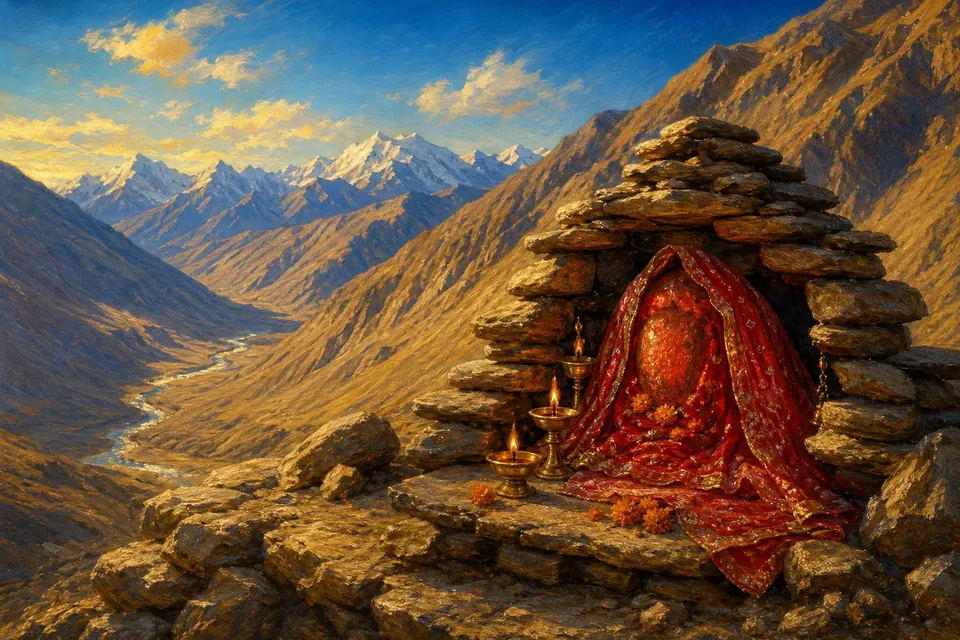
Traditions differ: The site is not known. Most lists say Ladakh. Hindi and Bengali Wikipedia give Srisailam (Andhra Pradesh) as another view, and Bharatkosh also mentions Jainpur (Jaunpur) near Sylhet, Bangladesh, which most lists give to the Shri Shail (neck) peeth.
About
Shri Parvat is one of the 51 Shakti Peeths named in the Peeth Nirnaya (Tantra Chudamani), where the right anklet of Devi Sati is believed to have fallen; some readings say the right ankle. The Devi here is Shri Sundari, 'the beautiful and auspicious one', and her Bhairav is Sundaranand. Unlike most peeths, no temple is known for it today. Many lists place it somewhere in Ladakh in the high Himalaya, but the exact spot has never been found. Other traditions link the name with Srisailam in Andhra Pradesh or with a site near Sylhet in Bangladesh. Devotees remember Maa Shri Sundari when they recite the names of the 51 peeths.
The story
According to the Shakti Peeth tradition, after King Daksha's yagya Shiv ji wandered in grief carrying the body of Devi Sati. Vishnu ji's Sudarshan chakra then divided the body, and wherever a part or an ornament fell, a Shakti Peeth arose. The Peeth Nirnaya names Shri Parvat as the place where the right anklet fell, with the Devi Shri Sundari and the Bhairav Sundaranand. 'Shri Parvat' means 'the auspicious mountain', and over the centuries the name has been given to more than one holy hill. Bharatkosh records two opinions: some scholars place the peeth in Ladakh, others at Jainpur (Jaunpur), a few kilometres south-west of Sylhet. Hindi and Bengali Wikipedia mention a third view, Srisailam on the Nallamala hills of Andhra Pradesh, an ancient 'Shri Parvat' where the Mallikarjuna Jyotirlinga and the shrine of Maa Bhramaramba stand together. Bharatkosh also gives a different part for this peeth, the right temple (the side of the forehead). With the site still unknown, this peeth lives on mainly in the old lists and in the prayers of devotees.
Visiting
No shrine is known in Ladakh, so there is no fixed place to visit. Ladakh is best visited from June to September, when the high roads are open; carry warm clothes and give your body time to adjust to the altitude. At Srisailam, the other place linked with this peeth, pilgrims visit the Mallikarjuna Jyotirlinga and the Bhramaramba temple; October to February is pleasant there.
51 Shakti Peeths
 Hinglaj Shakti PeethBalochistan
 Shri Naina Devi TempleHimachal Pradesh
 Sugandha Shakti PeethBarisal Division
 Amarnath CaveJammu and Kashmir
 Jwalamukhi Shakti Peeth (Jwala Ji)Himachal Pradesh
 Jalandhar Shakti Peeth (Devi Talab)Punjab
 Vaidyanath Shakti Peeth (Jaya Durga)Jharkhand
 Guhyeshwari Shakti Peeth (Nepal)Bagmati Province
 Manas Shakti Peeth (Manasarovar)Tibet
 Viraja Shakti Peeth (Utkal)Odisha
 Gandaki Shakti Peeth (Muktinath)Gandaki Province
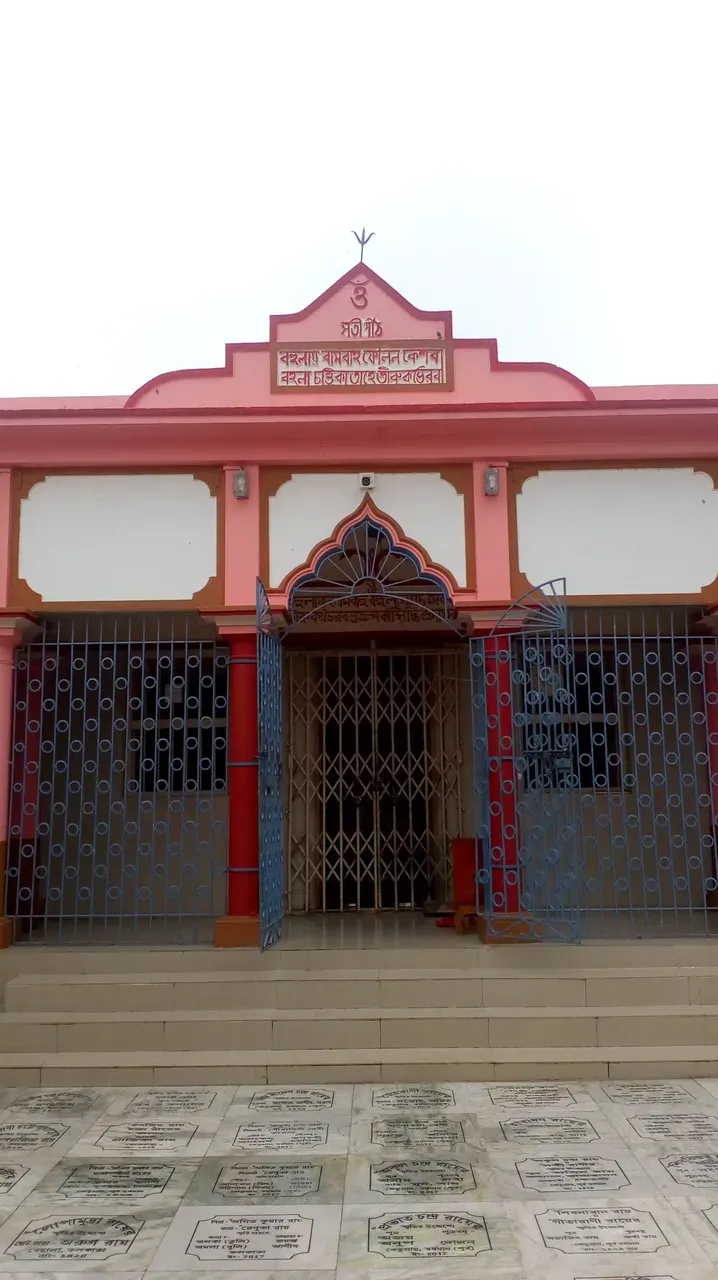 Bahula Shakti PeethWest Bengal
Sources
- sanskritdocuments.org/doc_devii/shaktipIThAni.html
- hi.wikipedia.org/wiki/साँचा:इक्यावन_शक्तिपीठ
- en.wikipedia.org/wiki/Shakta_pithas
- bn.wikipedia.org/wiki/শক্তিপীঠ
- bharatdiscovery.org/india/शक्ति_पीठ
- artofliving.org/in-hi/wisdom/devotion/51-shakti-peeth
- bharatdiscovery.org/india/श्री_पर्वत_शक्तिपीठ
- en.wikipedia.org/wiki/Srisailam
- hi.wikipedia.org/wiki/श्रीशैलम