 Karmandir
Kanyashram Shakti Peeth (Kanyakumari)
Bhagavathy Kumari Amman temple, Kanyakumari, Tamil Nadu
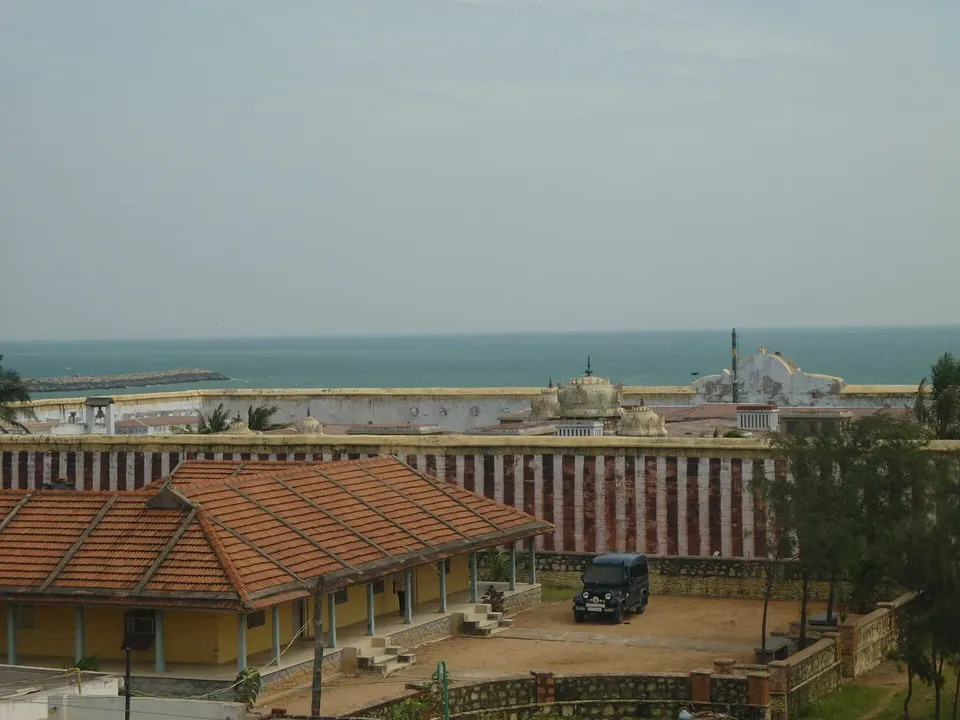
Traditions differ: Bengali Wikipedia and Banglapedia also name a Kanyashram (Kumari-kund) near Sitakunda in Chittagong district, Bangladesh. Bharatkosh says the peeth is the Bhadrakali shrine inside the Kanyakumari temple, Bhadrakali being honoured as the Kumari Devi's companion.
About
The Bhagavathy Kumari Amman temple stands at Kanyakumari, the southern tip of mainland India, where the Bay of Bengal, the Arabian Sea and the Indian Ocean meet. Here the Devi is worshipped as Kanya Kumari, the young maiden who did tapasya to win Shiv ji. The temple is counted among the Shakti Peeths, where the back (spine) of Devi Sati is believed to have fallen; the text names the Devi Sharvani and the Bhairav Nimish, and the temple has a Kala Bhairav shrine. The murti stands holding a japa mala, with a lion on the pedestal. Tradition says Parashuram ji consecrated the temple.
The story
According to the Shakti Peeth tradition, after King Daksha's yagya Shiv ji wandered in grief carrying the body of Devi Sati. Vishnu ji's Sudarshan chakra then divided the body, and wherever a part or an ornament fell, a Shakti Peeth arose. Her back is believed to have fallen here. Kanyakumari also has its own well-loved story. The asur Banasur had a boon that only a young maiden could defeat him, and he drove the devtas out of heaven. To set things right, the Mother appeared at the southern tip of the land as Kumari and began deep tapasya to marry Shiv ji. Shiv ji agreed, and the wedding was fixed for the early hour of Brahma muhurat. He set out from Suchindram, but Narad muni, knowing that Banasur could fall only to a maiden, made a rooster crow before dawn. Thinking the hour had passed, Shiv ji stopped, and the wedding never took place. It is said that in her sorrow the Devi scattered the wedding food, which became the many-coloured sands of the shore. She went on with her tapasya, and when Banasur later came to her, she defeated him. Devotees believe she still stands here in tapasya as the young Kumari. A rock in the sea, the Shri Pada Parai, is said to carry her footprint; it is now part of the Vivekananda Rock Memorial.
Visiting
October to March is the most pleasant; sunrise and sunset over the sea are well worth seeing. By temple custom men enter with a bare upper body, and traditional dress is expected. Bathing in the sea is unsafe at many points. Nearby are the Vivekananda Rock Memorial, the Thiruvalluvar statue and the Suchindram temple, about 13 km away.
Festivals
- Navratri (Ashwin), with music offered in the Navaratri Mandapam
- Chitra Pournami (full moon of the Tamil month Chithirai, April–May)
- Vaishakh festival (May–June, ten days), with the Devi's boat procession on the ninth day
- Kalabham festival (last Friday of Aadi/Karkidakam, July–August)
51 Shakti Peeths
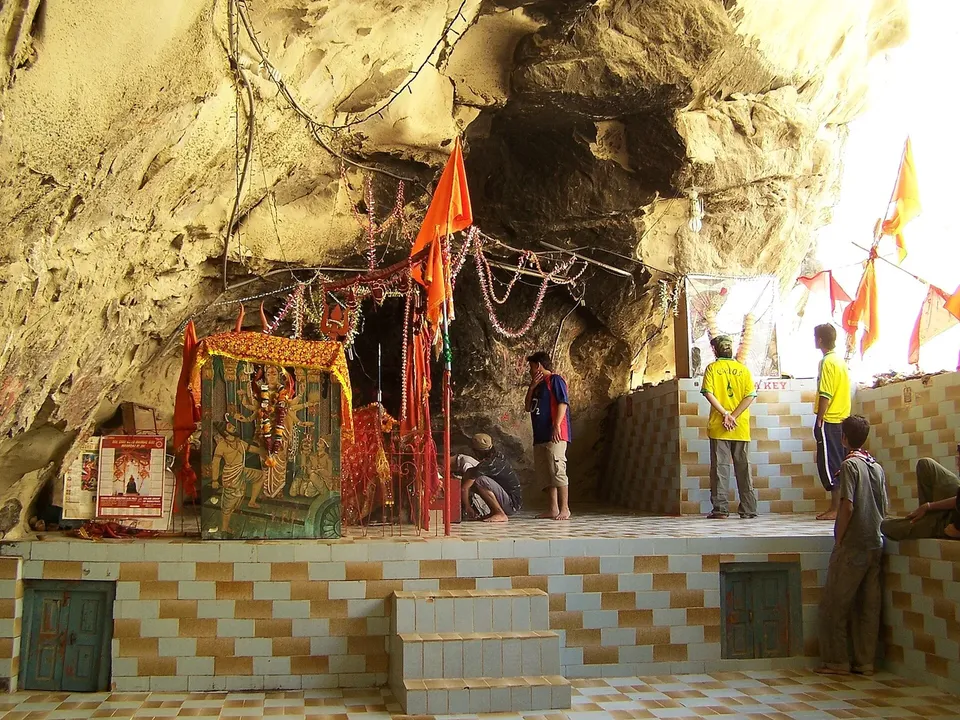 Hinglaj Shakti PeethBalochistan
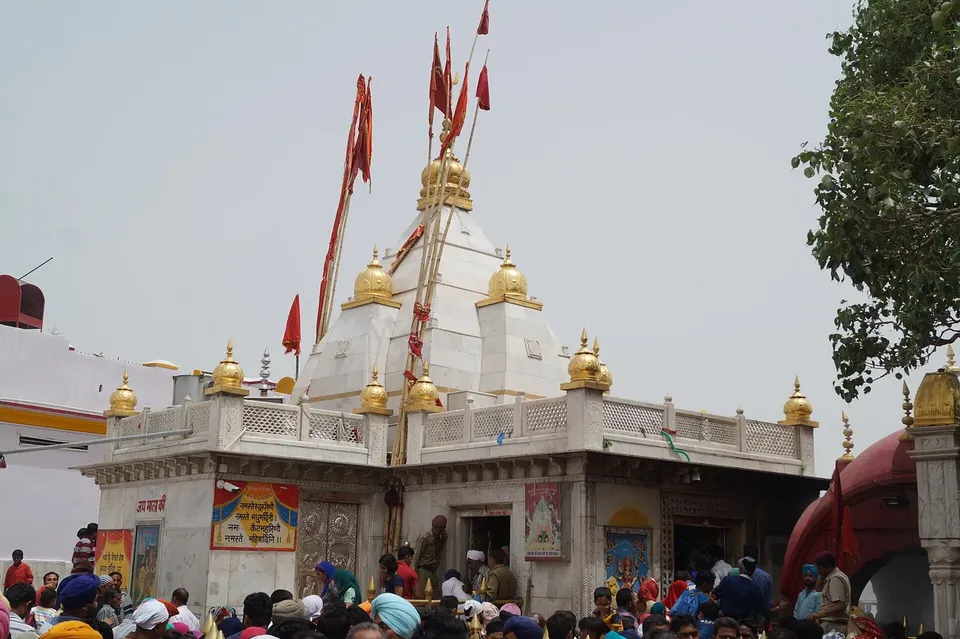 Shri Naina Devi TempleHimachal Pradesh
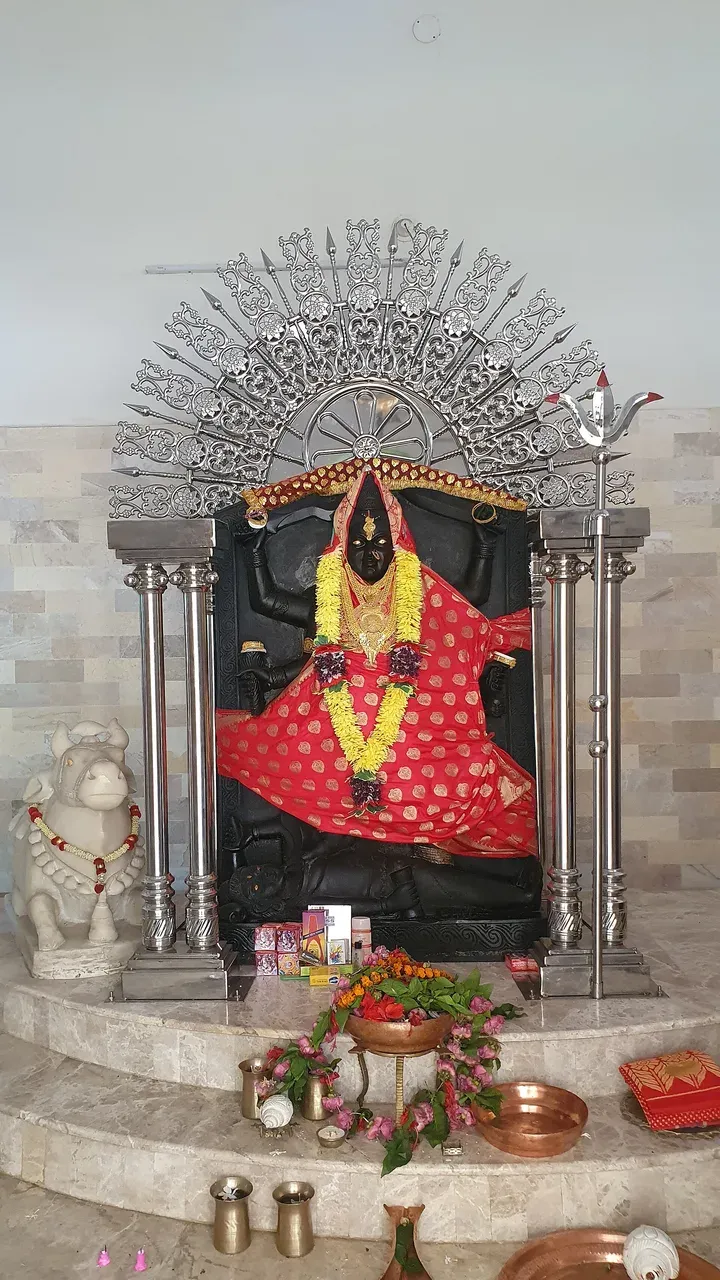 Sugandha Shakti PeethBarisal Division
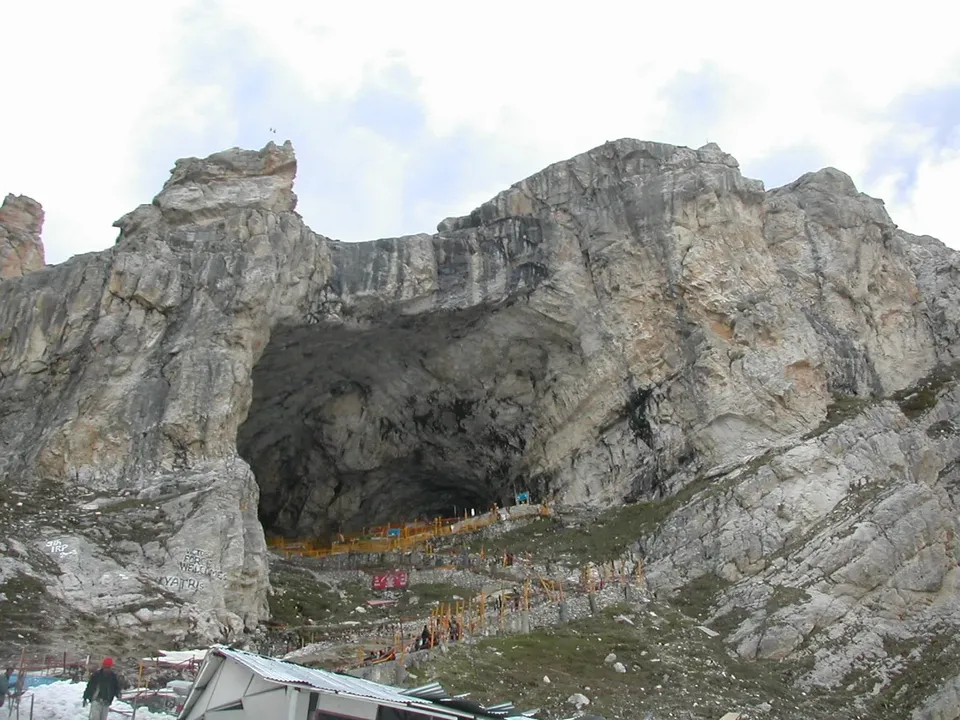 Amarnath CaveJammu and Kashmir
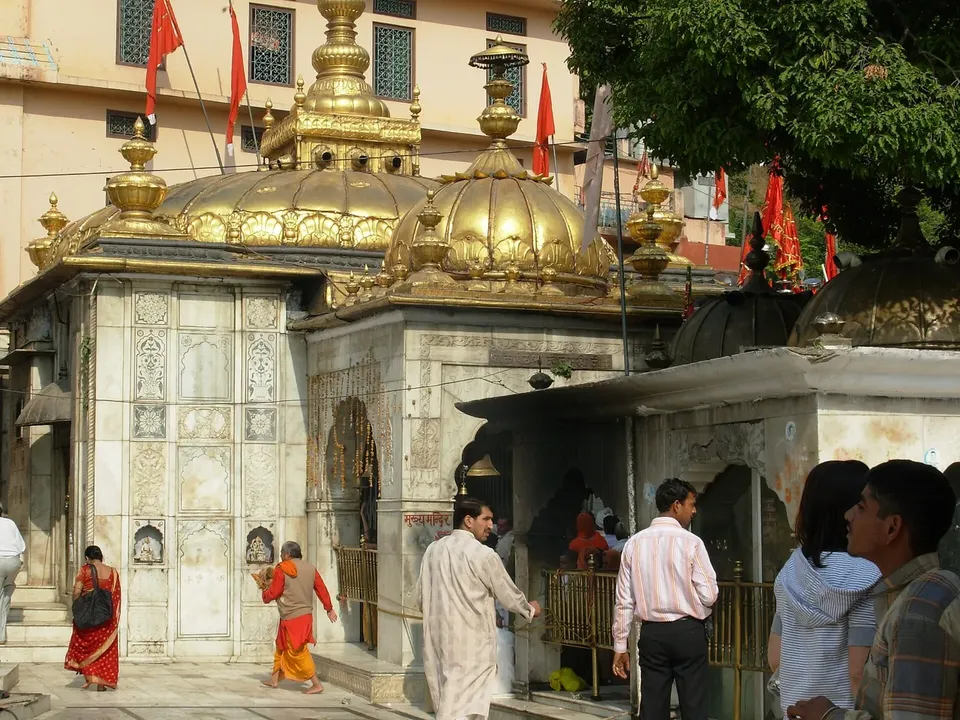 Jwalamukhi Shakti Peeth (Jwala Ji)Himachal Pradesh
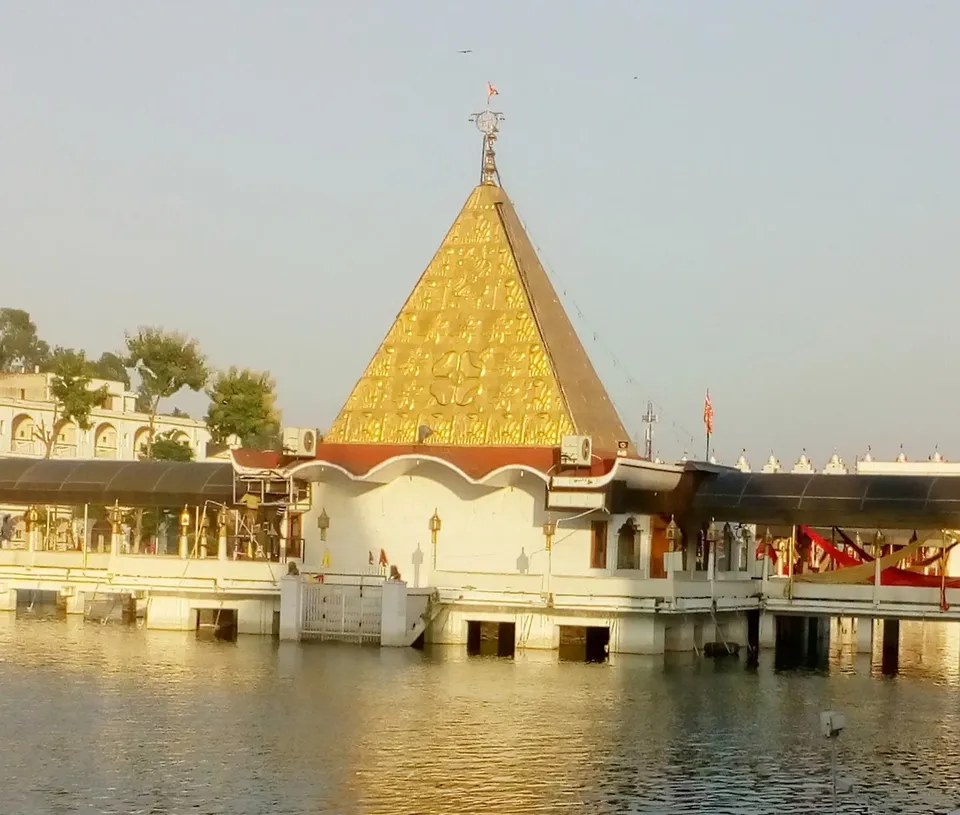 Jalandhar Shakti Peeth (Devi Talab)Punjab
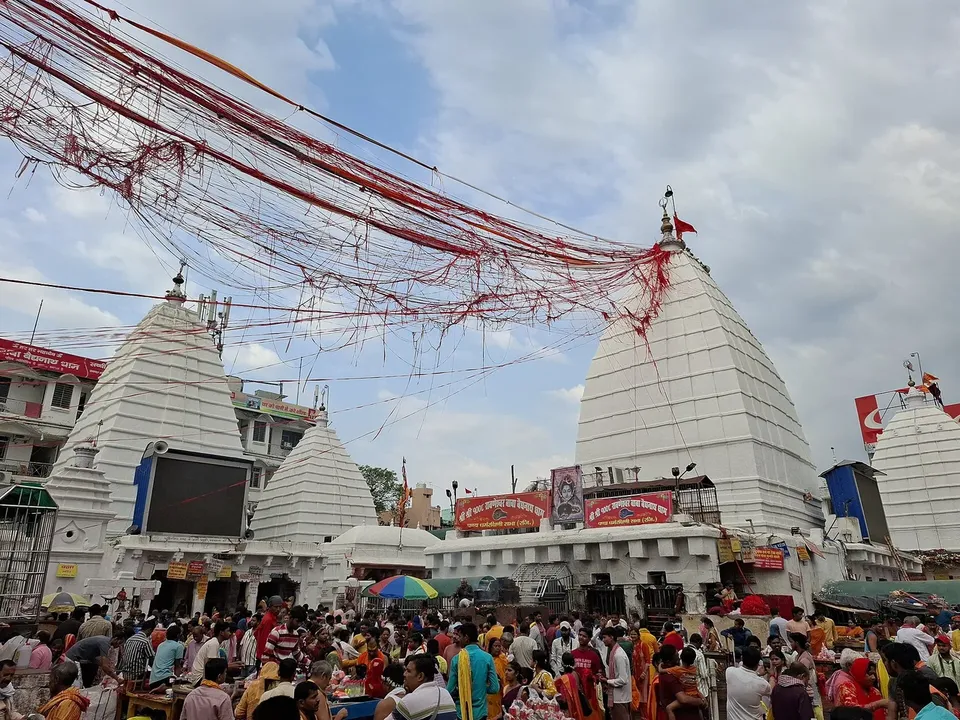 Vaidyanath Shakti Peeth (Jaya Durga)Jharkhand
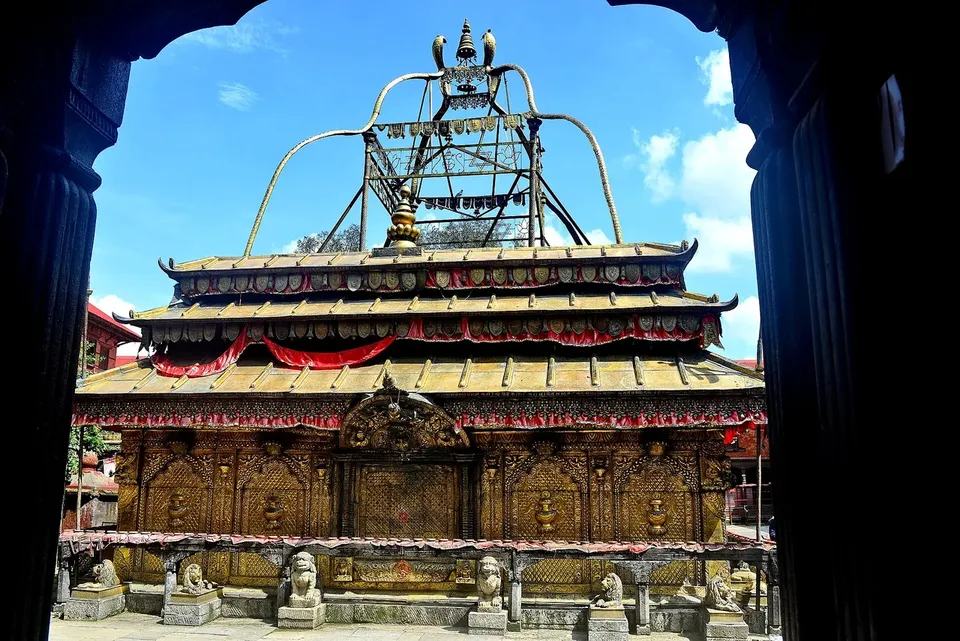 Guhyeshwari Shakti Peeth (Nepal)Bagmati Province
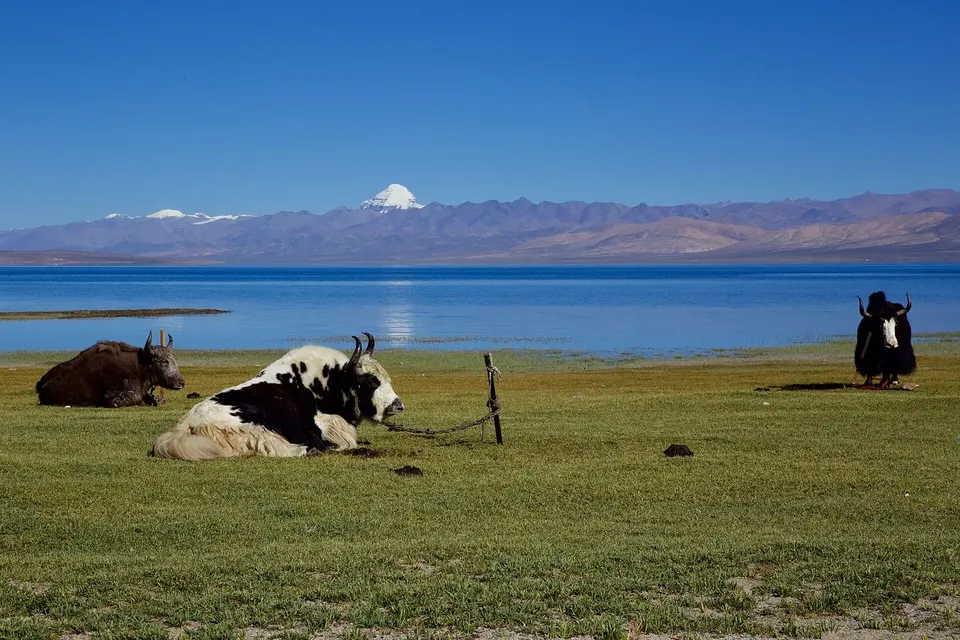 Manas Shakti Peeth (Manasarovar)Tibet
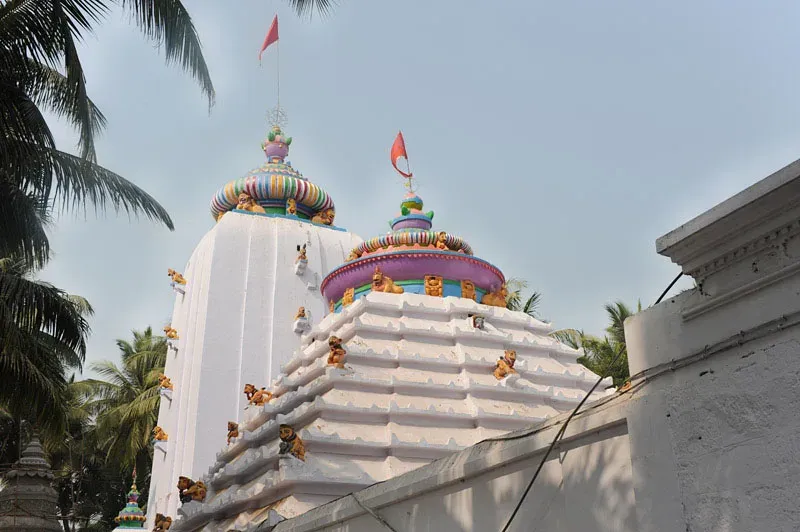 Viraja Shakti Peeth (Utkal)Odisha
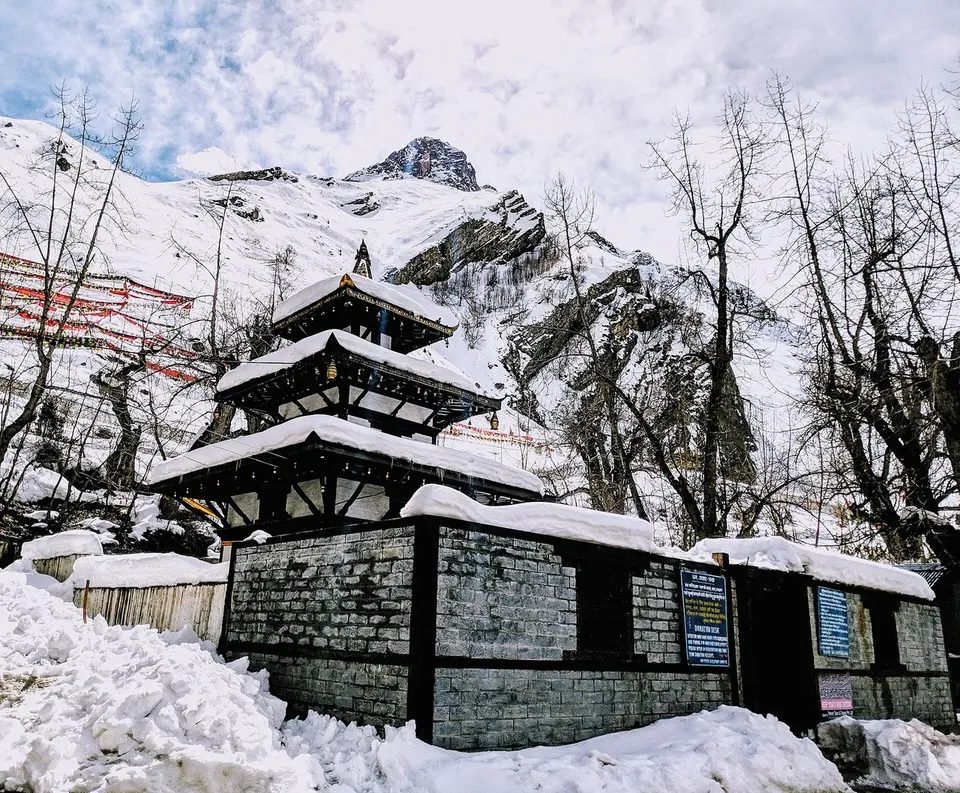 Gandaki Shakti Peeth (Muktinath)Gandaki Province
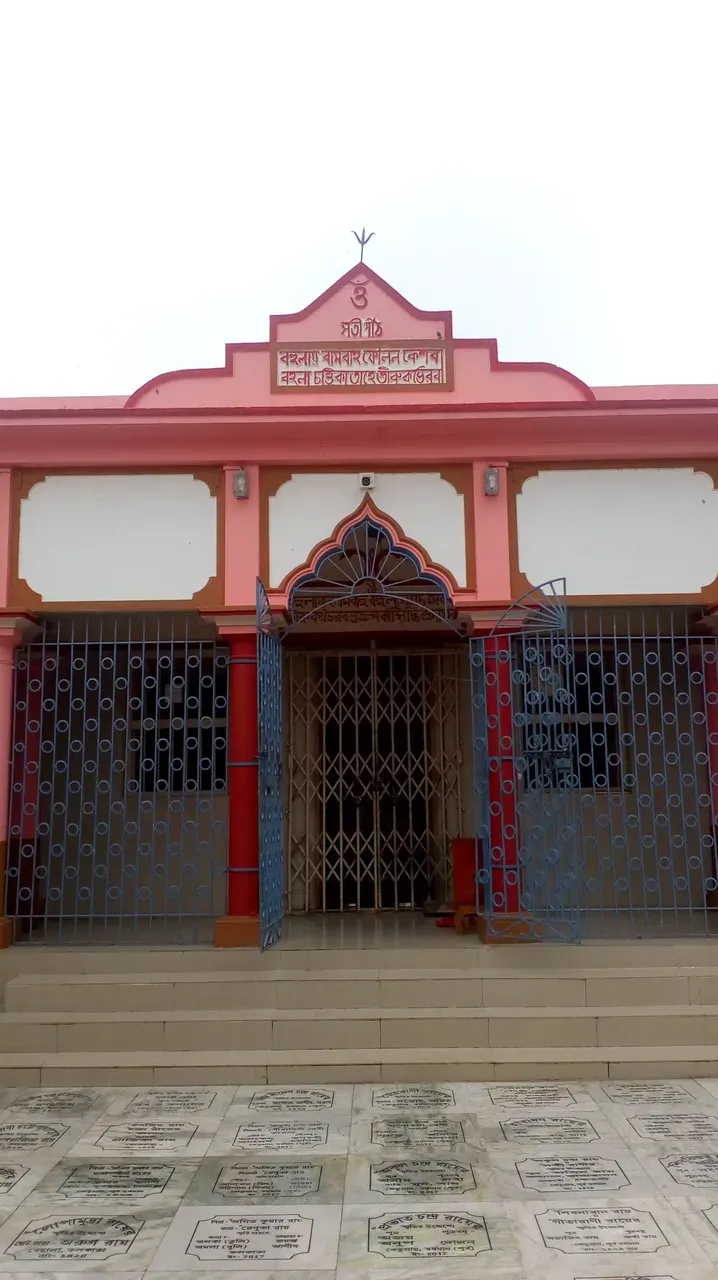 Bahula Shakti PeethWest Bengal
Sources
- sanskritdocuments.org/doc_devii/shaktipIThAni.html
- hi.wikipedia.org/wiki/साँचा:इक्यावन_शक्तिपीठ
- en.wikipedia.org/wiki/Shakta_pithas
- bn.wikipedia.org/wiki/শক্তিপীঠ
- bharatdiscovery.org/india/शक्ति_पीठ
- artofliving.org/in-hi/wisdom/devotion/51-shakti-peeth
- en.banglapedia.org/index.php/Sakta-pitha
- en.wikipedia.org/wiki/Devi_Kanya_Kumari
- en.wikipedia.org/wiki/Kanyakumari
- en.wikivoyage.org/wiki/Kanyakumari
- bharatdiscovery.org/india/कन्याकुमारी_शक्तिपीठ
- hi.wikipedia.org/wiki/शक्ति_पीठ