 Karmandir
Kamakhya Shakti Peeth
Nilachal hill, Guwahati, Kamrup Metropolitan district, Assam
About
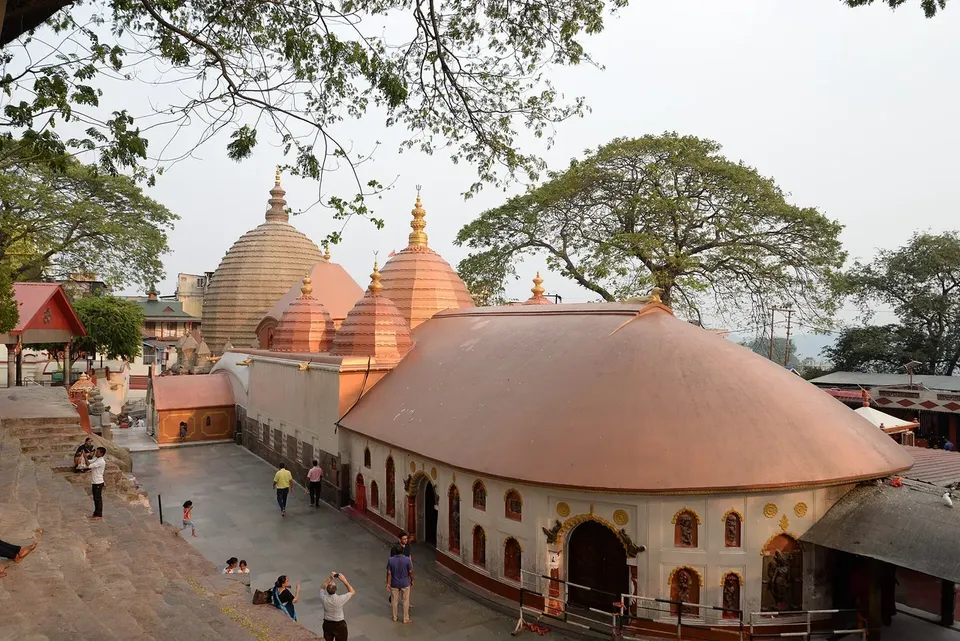
Kamakhya, on Nilachal hill in Guwahati, is one of the oldest and most revered Shakti Peeths and is counted among the four foremost (adi) peeths. Here the yoni of Devi Sati, the seat of creation, is believed to have fallen. The sanctum lies below the ground and has no murti: the Mother is worshipped as a natural stone shaped like a yoni, over which water from an underground spring keeps flowing. The Bhairav is Umanand, whose temple stands on Umananda (Peacock) Island in the Brahmaputra. Around the main temple are shrines of the ten Mahavidyas, a rare grouping. Its dome, rebuilt in 1565, gave its name to the local Nilachal style.
The story
The Shakti Peeth story tells that after the sorrowful events at King Daksha's yagya, Shiv ji wandered in grief with Devi Sati's body, and Vishnu ji's Sudarshan chakra divided it. The Kalika Purana says her yoni fell on this hill, which is why the Devi is honoured here as the source of all creation. Tradition also links the old name of the region, Kamarupa, with Kamdev: after Shiv ji's third eye burned him to ashes, he is said to have regained his form (rupa) here.
The temple's history goes back more than a thousand years. In the 16th century the Koch king Vishwa Singha found it in ruins and revived the worship, and his son Nara Narayan had it rebuilt in 1565 under the care of his brother Chilarai. The builders made the dome of brick in a new rounded shape, which came to be called the Nilachal style. Later the Ahom kings also looked after the temple and invited learned priests to serve here.
Visiting
October to April is pleasant; Ambubachi and Navratri bring huge crowds and long queues. A road climbs to the hilltop. Dress modestly. Nearby are the Umananda temple, reached by boat, the Mahavidya shrines on the same hill and the Brahmaputra riverfront.
Festivals
- Ambubachi Mela (Ashadh, around mid-June): the temple stays closed for three days while, by tradition, the Devi rests; it reopens on the fourth day, when holy water and red cloth are given as prasad
- Durga Puja (Sharad Navratri)
- Manasa Puja
51 Shakti Peeths
 Hinglaj Shakti PeethBalochistan
 Shri Naina Devi TempleHimachal Pradesh
 Sugandha Shakti PeethBarisal Division
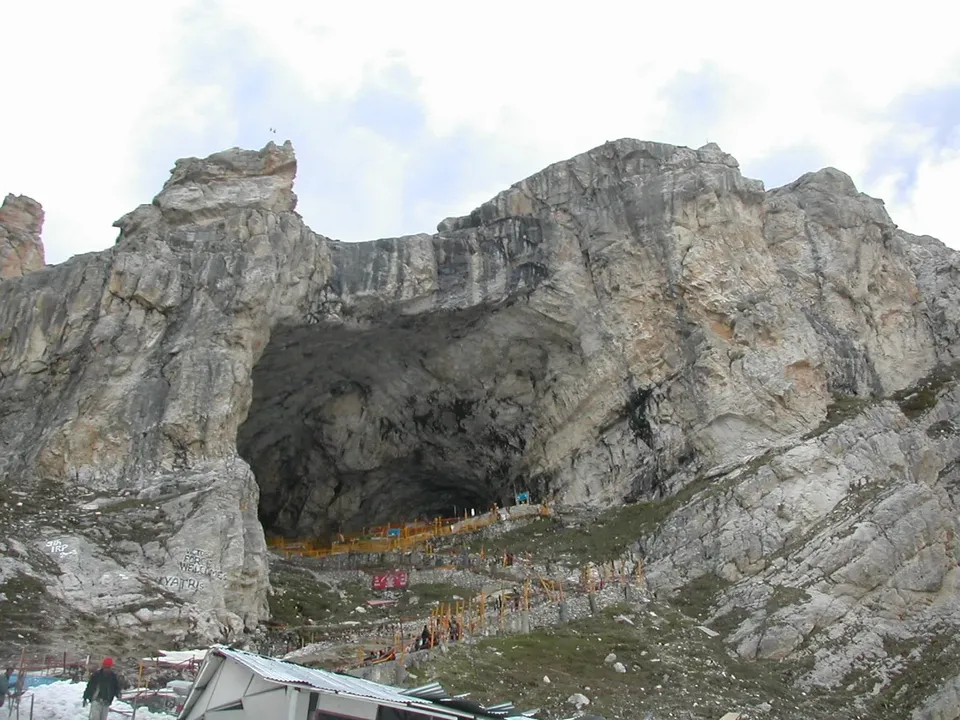 Amarnath CaveJammu and Kashmir
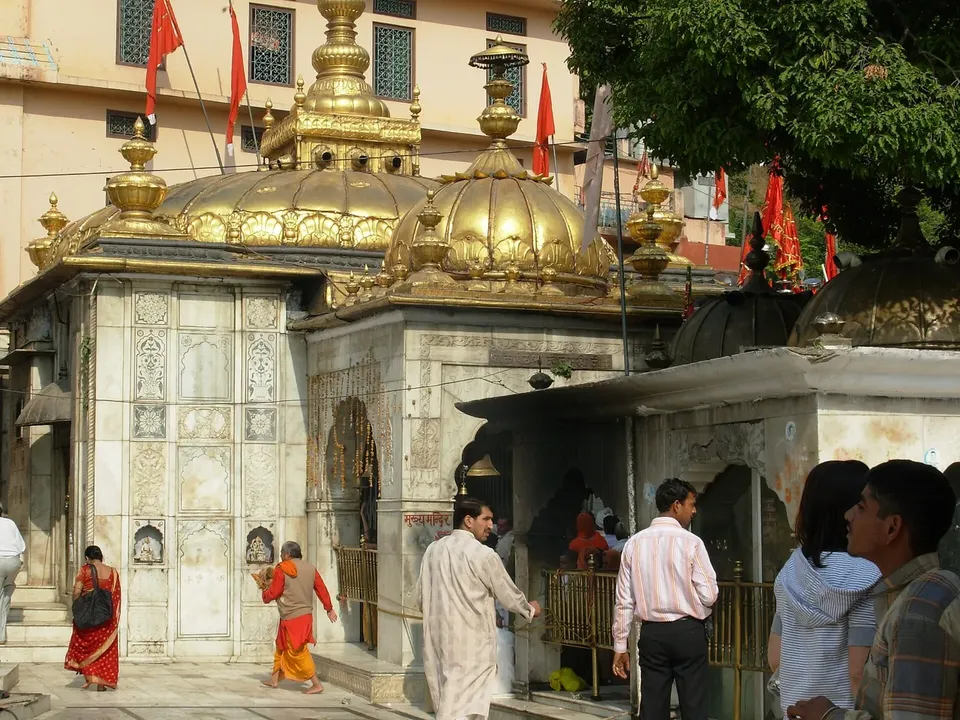 Jwalamukhi Shakti Peeth (Jwala Ji)Himachal Pradesh
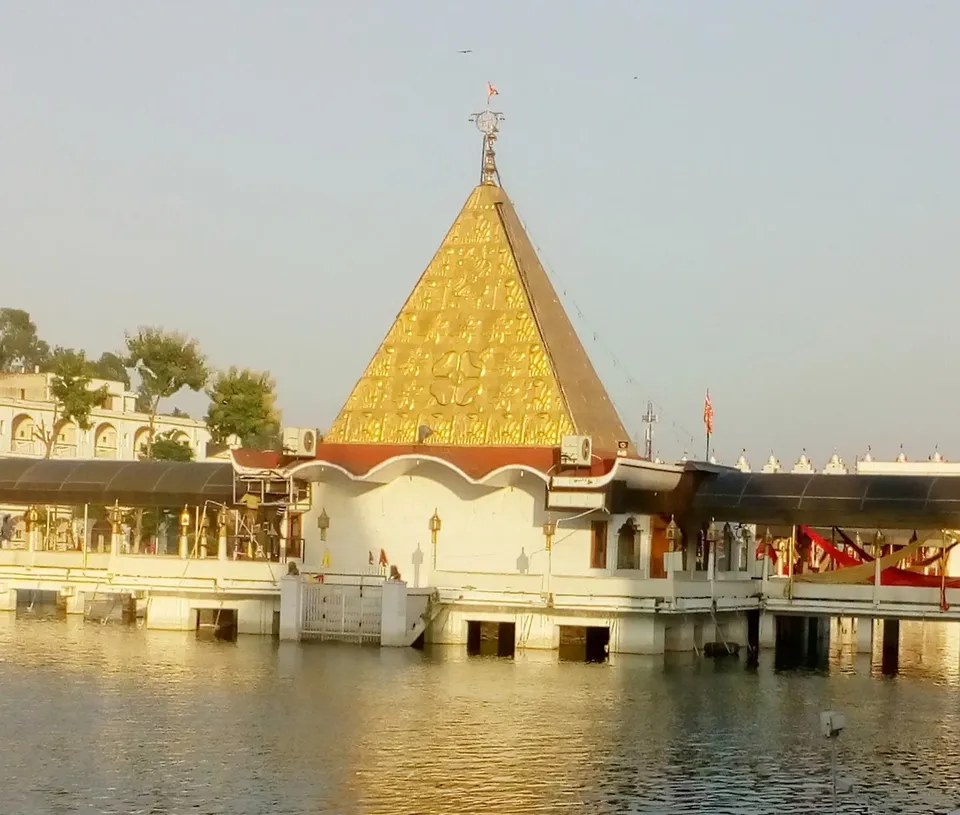 Jalandhar Shakti Peeth (Devi Talab)Punjab
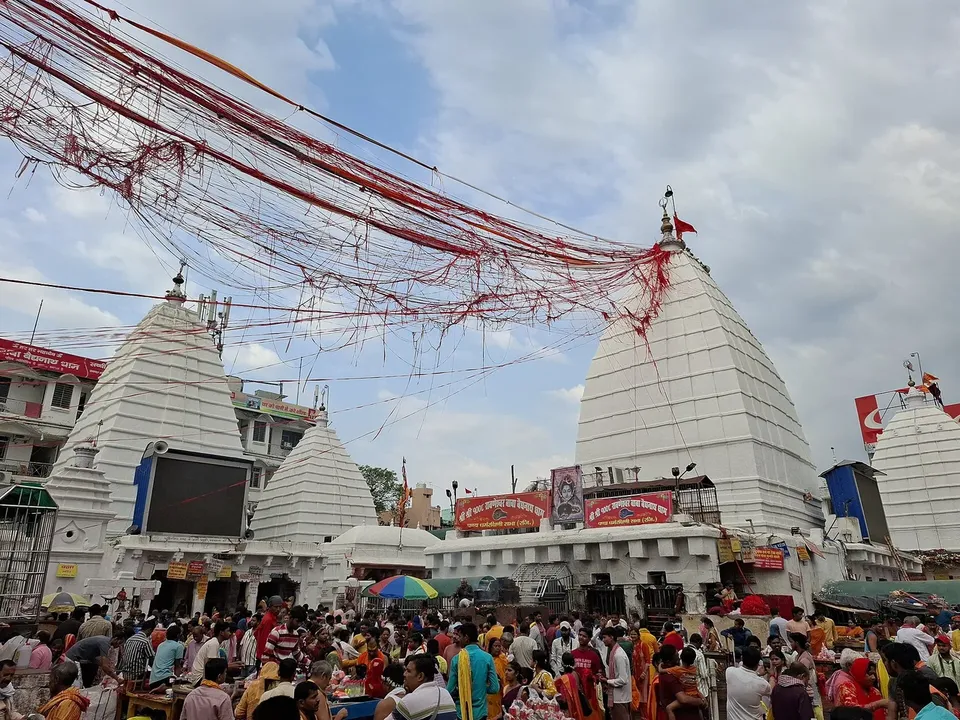 Vaidyanath Shakti Peeth (Jaya Durga)Jharkhand
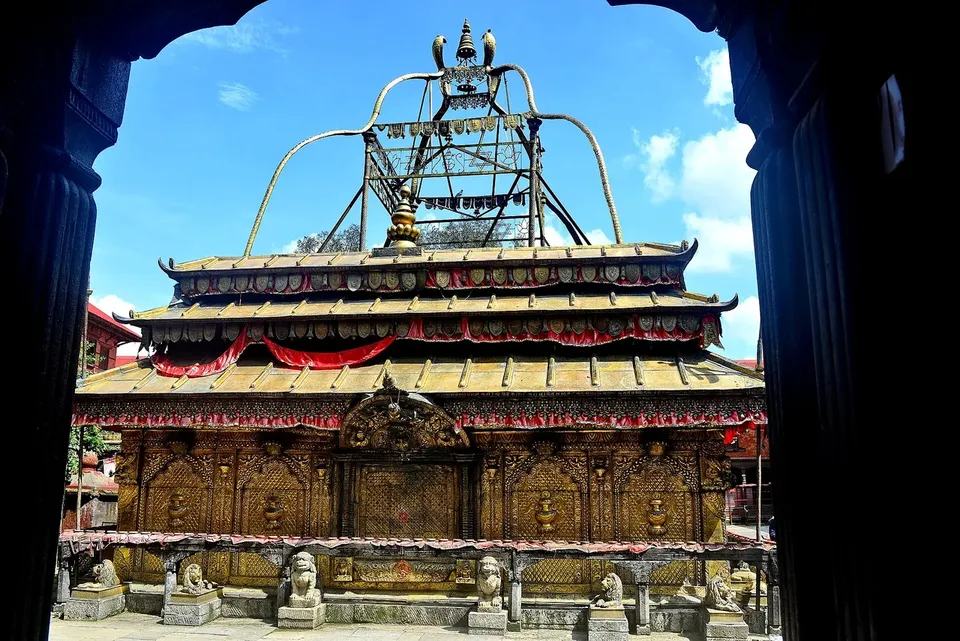 Guhyeshwari Shakti Peeth (Nepal)Bagmati Province
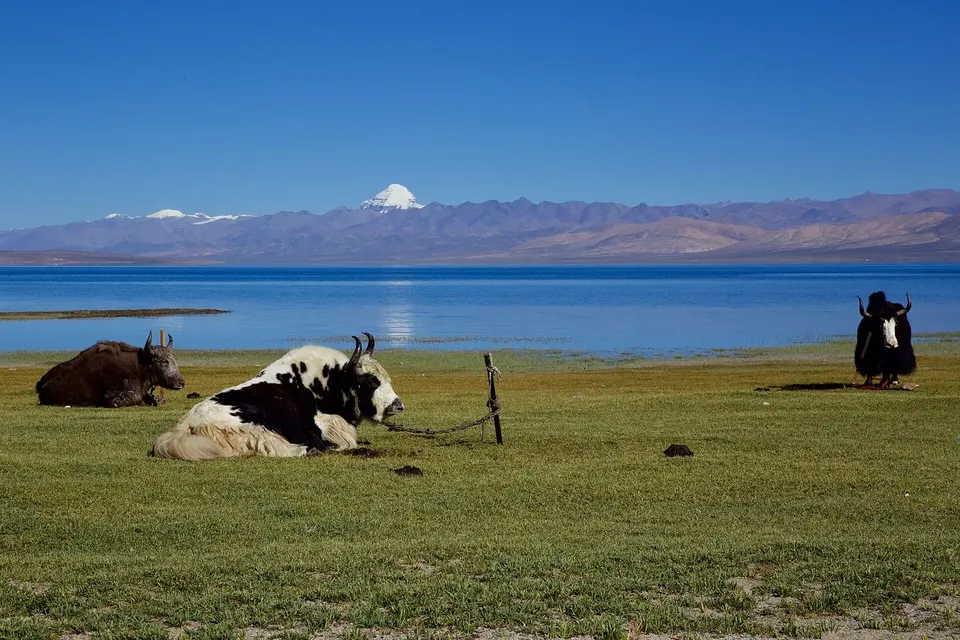 Manas Shakti Peeth (Manasarovar)Tibet
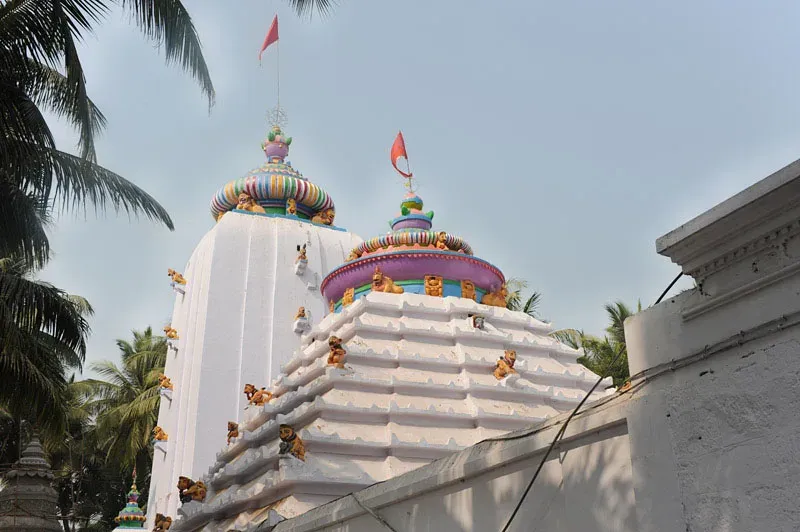 Viraja Shakti Peeth (Utkal)Odisha
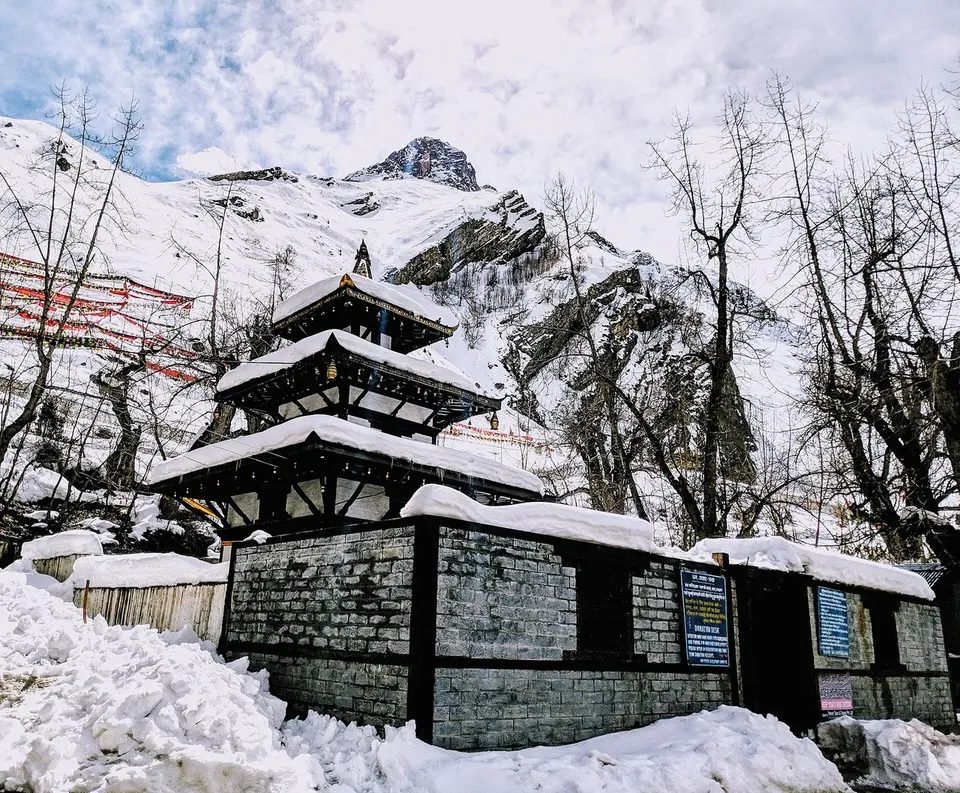 Gandaki Shakti Peeth (Muktinath)Gandaki Province
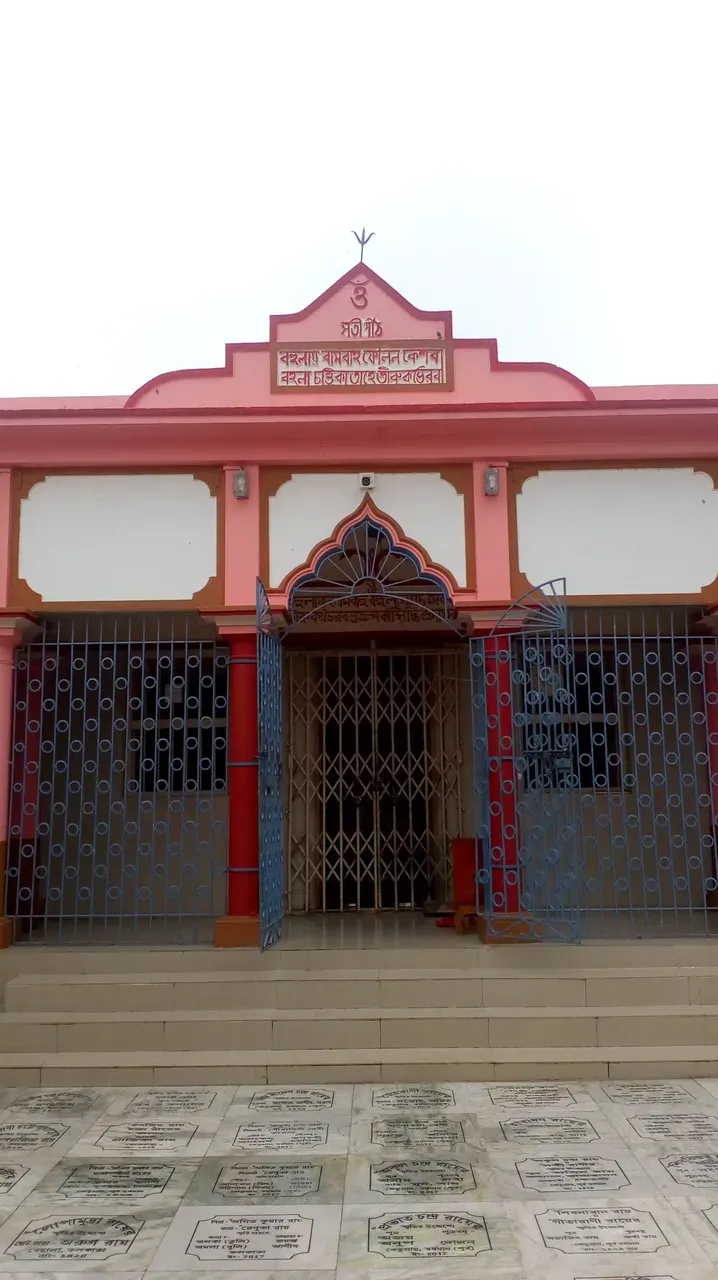 Bahula Shakti PeethWest Bengal