 Karmandir
Shri Mahalakshmi (Ambabai) Temple, Kolhapur
Kolhapur city, Kolhapur district, Maharashtra
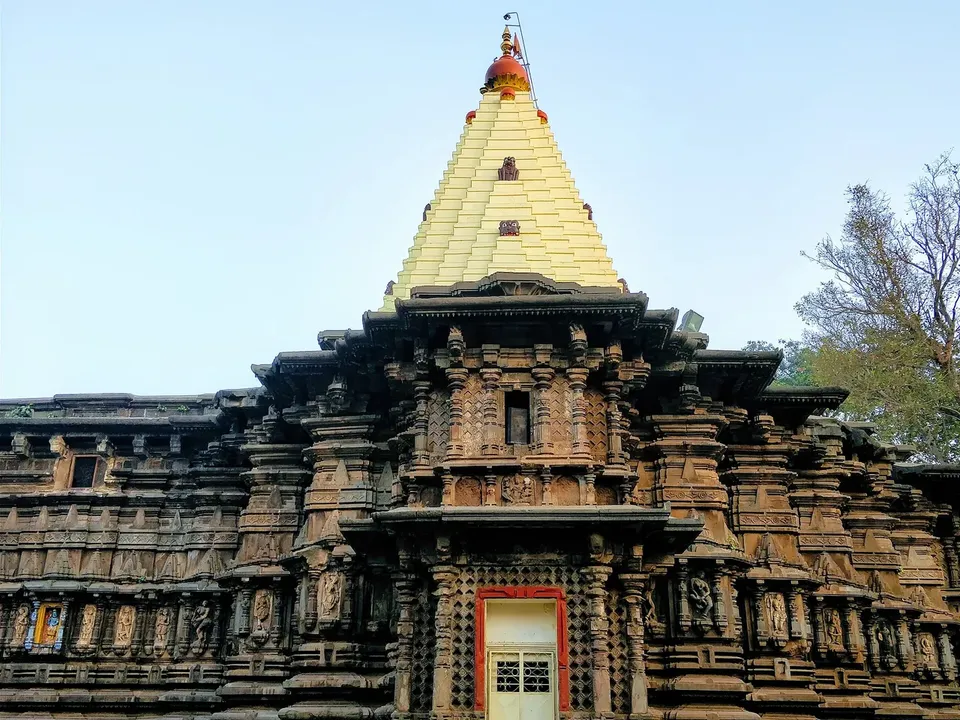
Traditions differ: Kolhapur is honoured as a Shakti Peeth, and some lists of the 51 Shakti Peeths name Karveer (Kolhapur) as the place where Devi Sati's eyes fell. Other lists give that peeth to Naina Devi in Himachal Pradesh, or to a place called Sharkarar near Sukkur in Sindh (Pakistan). Devotees honour all these places.
About
The Mahalakshmi temple in the heart of Kolhapur is one of the great Devi shrines of Maharashtra. Devotees lovingly call the goddess Ambabai, and the city's old name, Karveer, lives on in her title, Karveer Nivasini. Her black-stone murti, about three feet tall, wears a crown with a five-hooded serpent. She holds a matulinga fruit, a mace, a shield and a drinking bowl, and a stone lion stands behind her. The temple is counted among the 'three and a half Shakti Peeths' of Maharashtra. Many devotees also link this temple with Tirupati Balaji and make the two pilgrimages together.
The story
According to the Karveer Mahatmya, a demon named Kolhasur troubled the people and sages of this land. Hearing their prayers, Mahalakshmi came, defeated him and chose to stay here for ever. It is said that the demon's last wish was that the place carry his name, so the city became Kolhapur, while the Devi is still called Karveer Nivasini, the one who lives in Karveer. A newer and very popular story tells that the sage Bhrigu once struck Vishnu ji on the chest with his foot, and Vishnu ji answered with humility instead of anger. Upset by this, Lakshmi ji left Vaikunth and settled at Kolhapur. History says the temple was built in the 7th century under the Chalukya king Karnadeva. Later the Shilahara kings made Kolhapur their capital and worshipped the Devi. In troubled times the murti was kept hidden and safe for many years and was later set back in the temple, and the Maratha rulers cared for and enlarged the shrine. The temple's design is famous for Kirnotsav: on a few days each year, the rays of the setting sun enter through the main door, touch the Devi's feet first and then slowly rise up the murti.
Visiting
October to March is the most comfortable season. Come in Navratri for the festive mood, or on the Kirnotsav days to see the sun's rays at sunset. Bhavani Mandap, the New Palace museum and Rankala lake are close by, and the Jyotiba temple on its hill and Panhala fort are each about 20 km away.
Festivals
- Sharad Navratri (Ashwin Shukla Pratipada to Navami), with the Devi's palkhi on Dussehra
- Kirnotsav, the festival of sun rays, in late January / early February and early November (around 31 January to 2 February and 9 to 11 November)
Famous temples
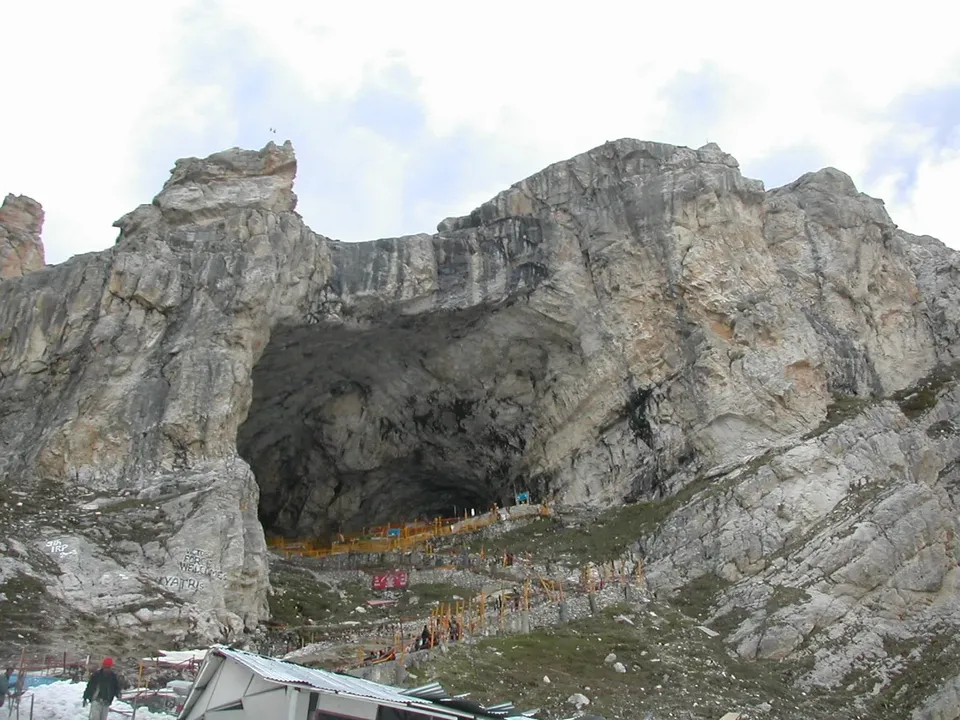 Amarnath CaveJammu and Kashmir
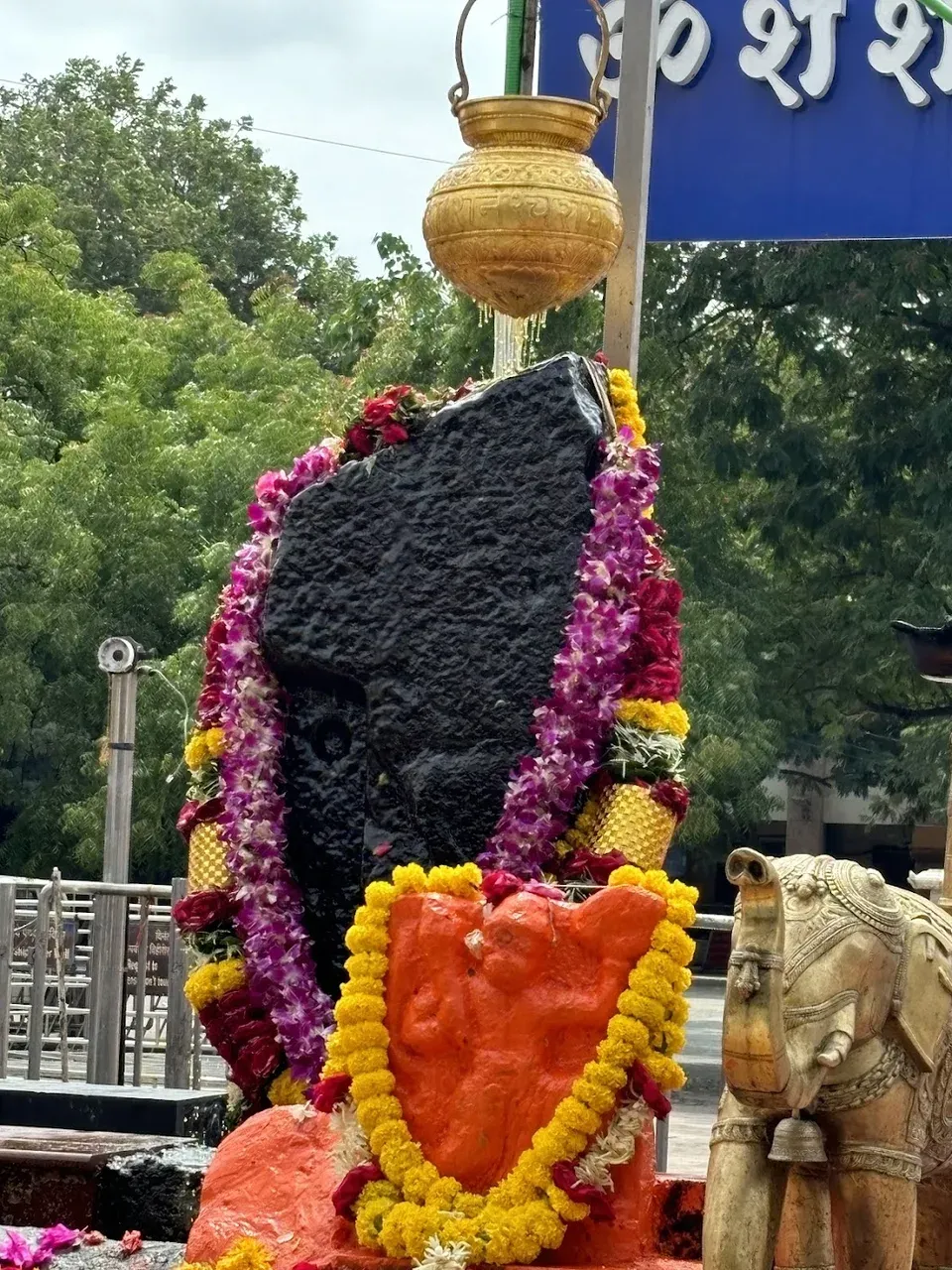 Shani ShingnapurMaharashtra
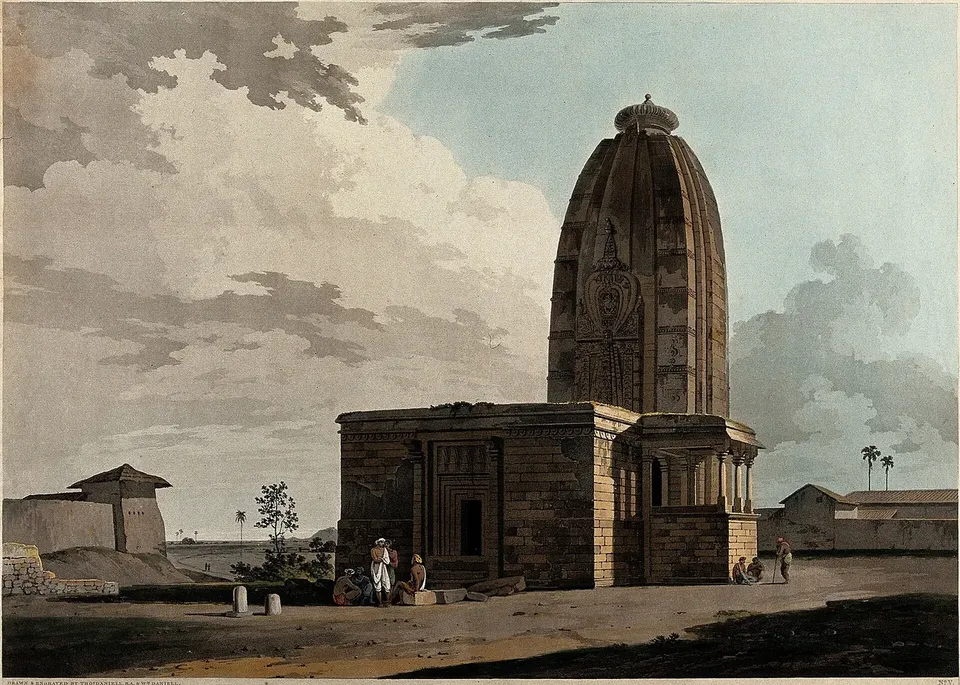 Deo Surya Mandir (Devark)Bihar
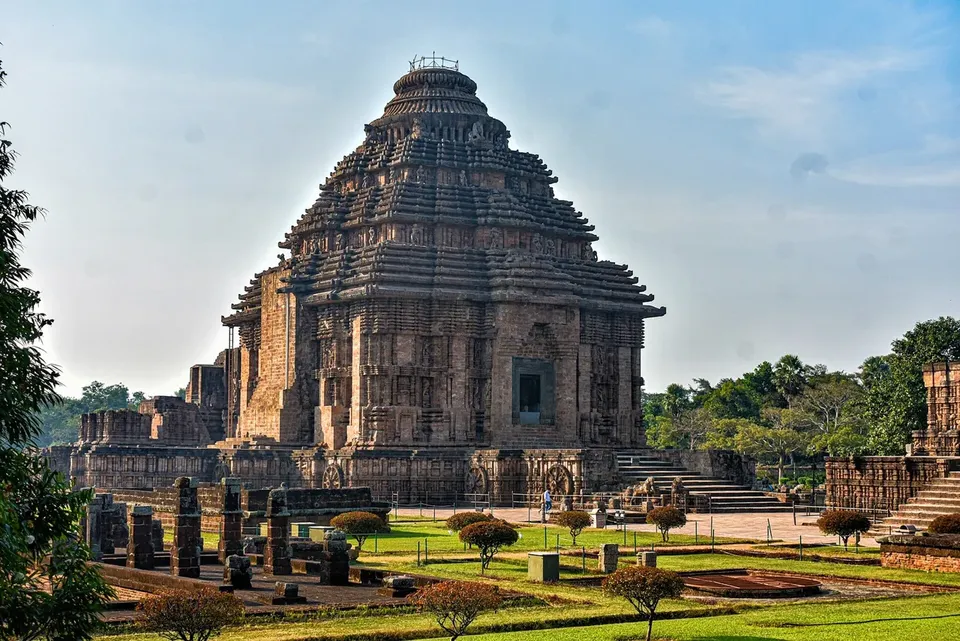 Konark Sun TempleOdisha
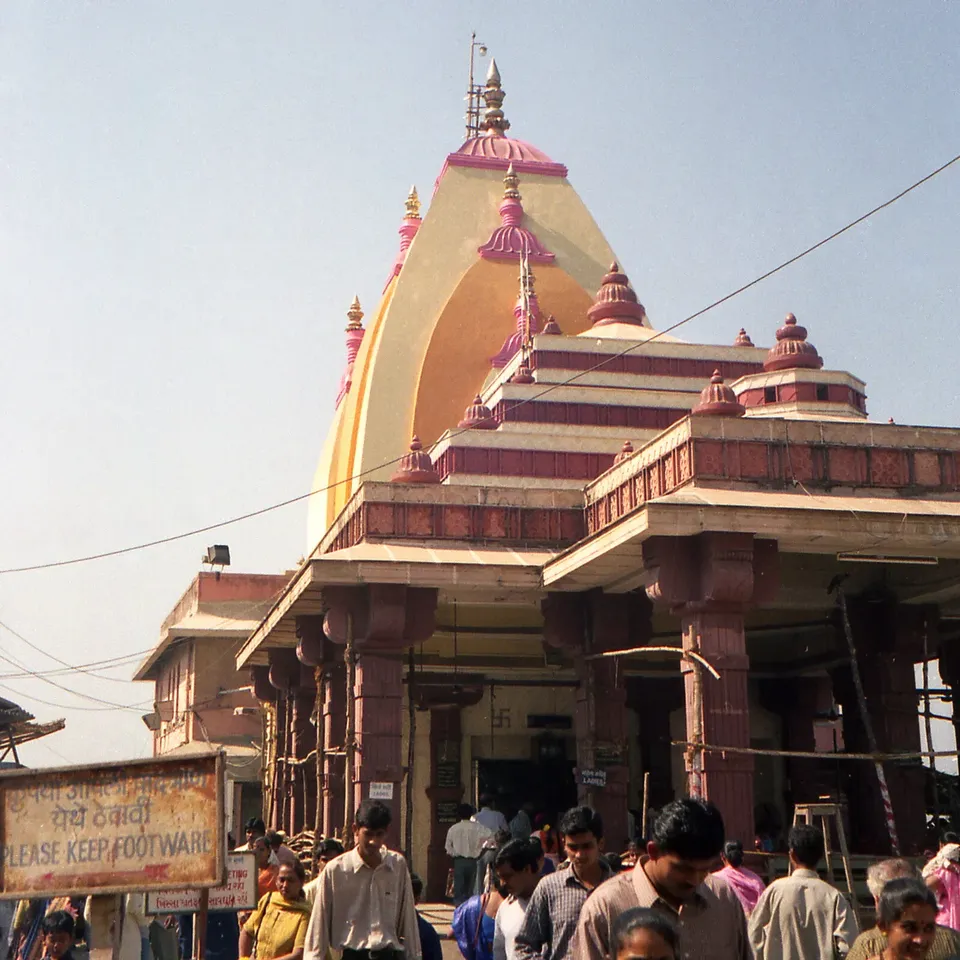 Mahalakshmi Temple, MumbaiMaharashtra
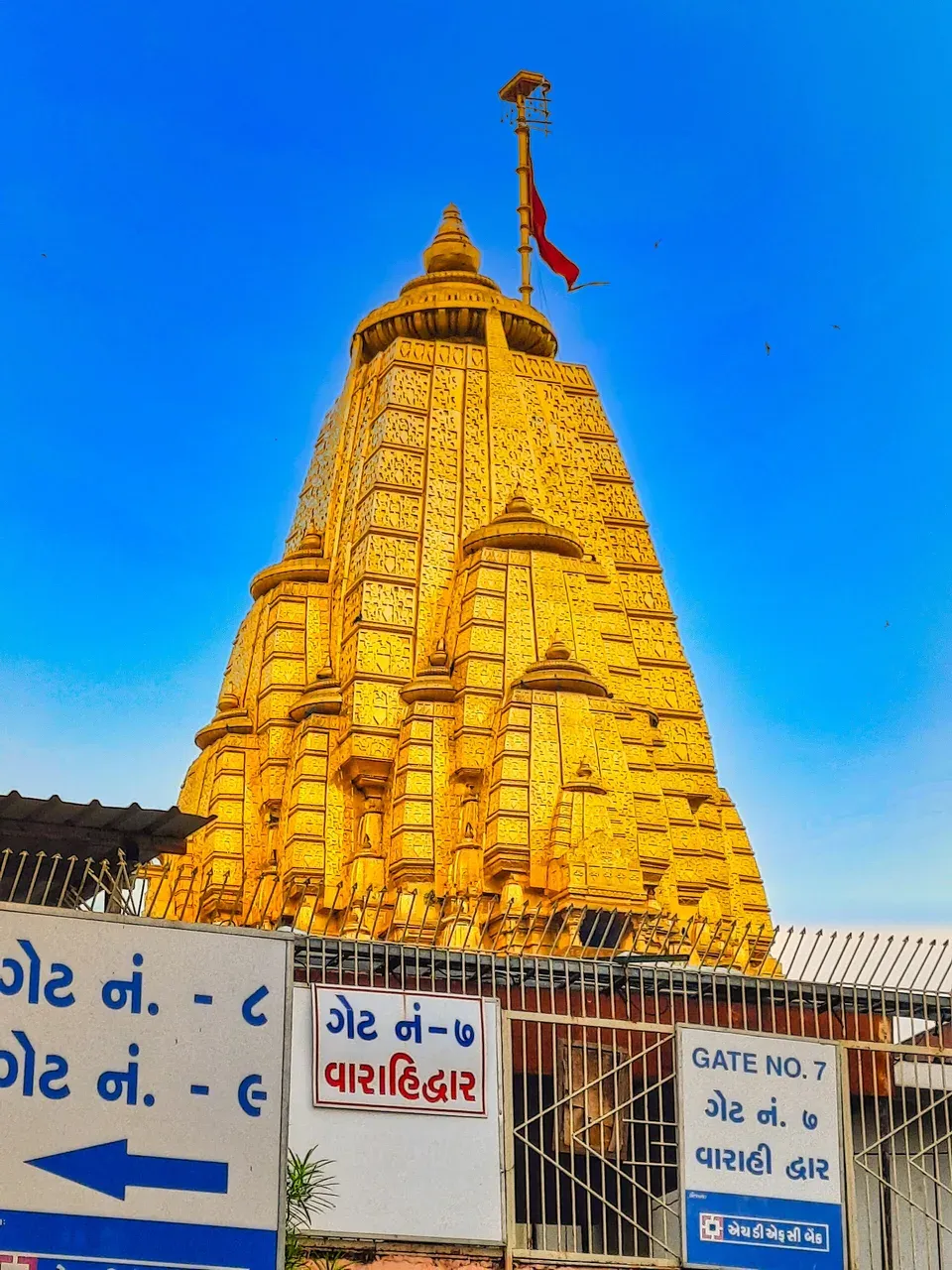 Ambaji Mata TempleGujarat
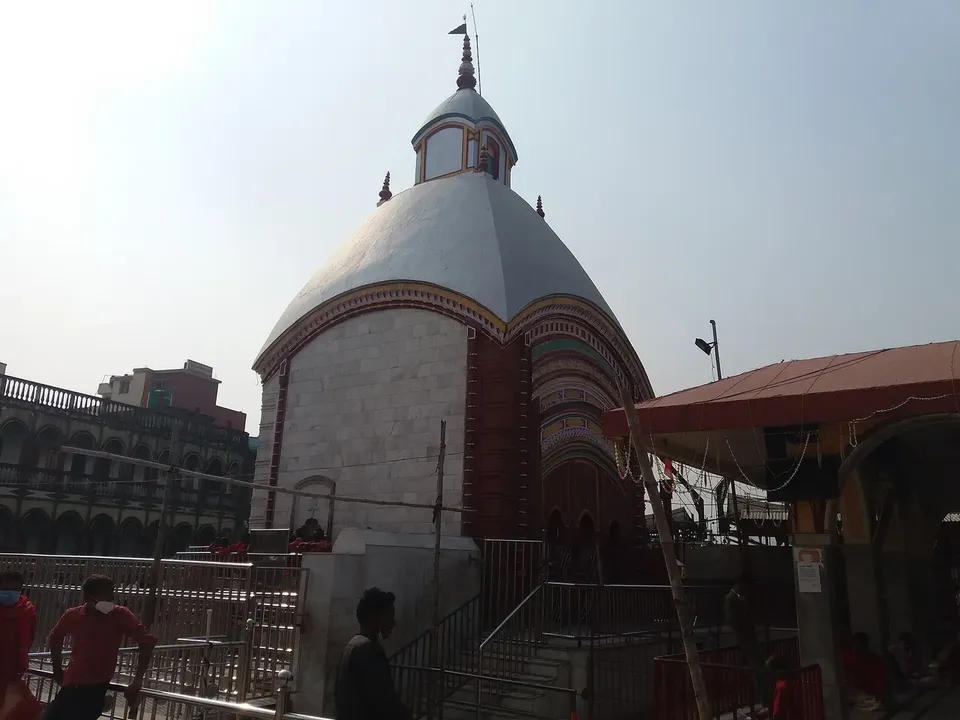 TarapithWest Bengal
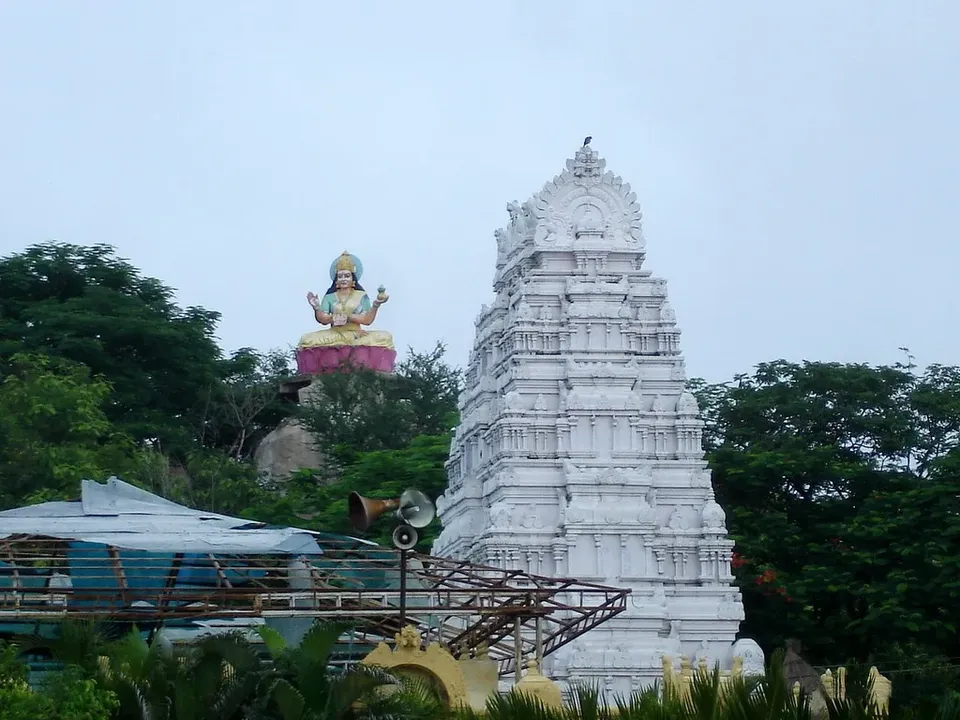 Gnana Saraswati Temple, BasarTelangana
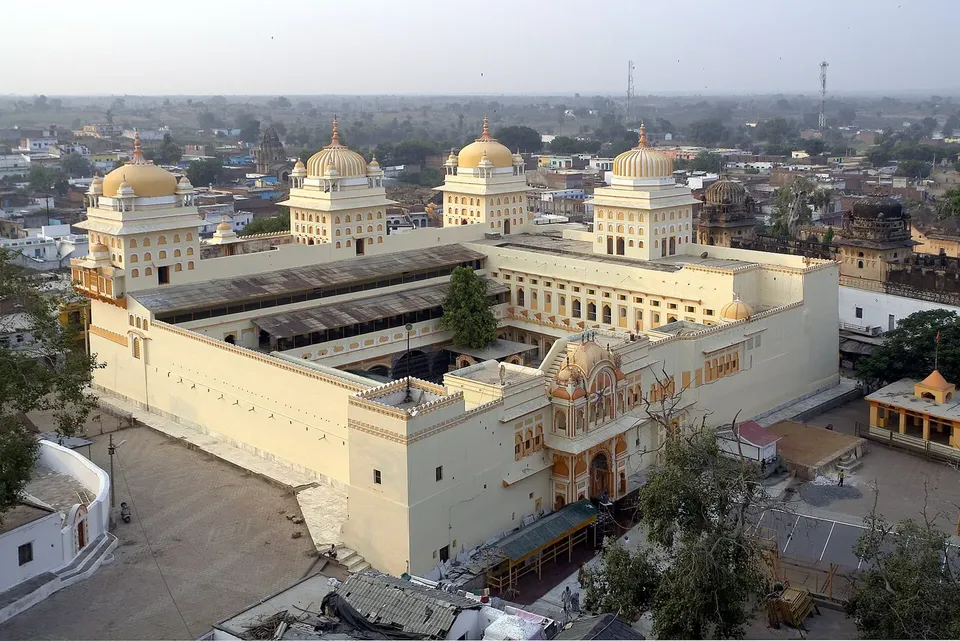 Ram Raja Temple, OrchhaMadhya Pradesh
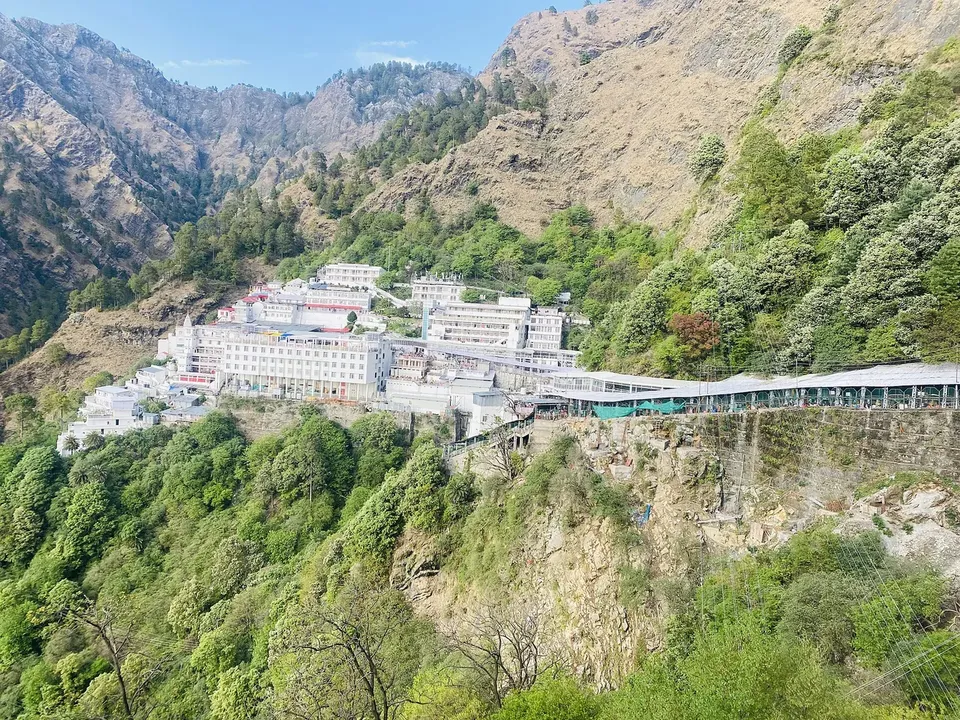 Mata Vaishno DeviJammu and Kashmir
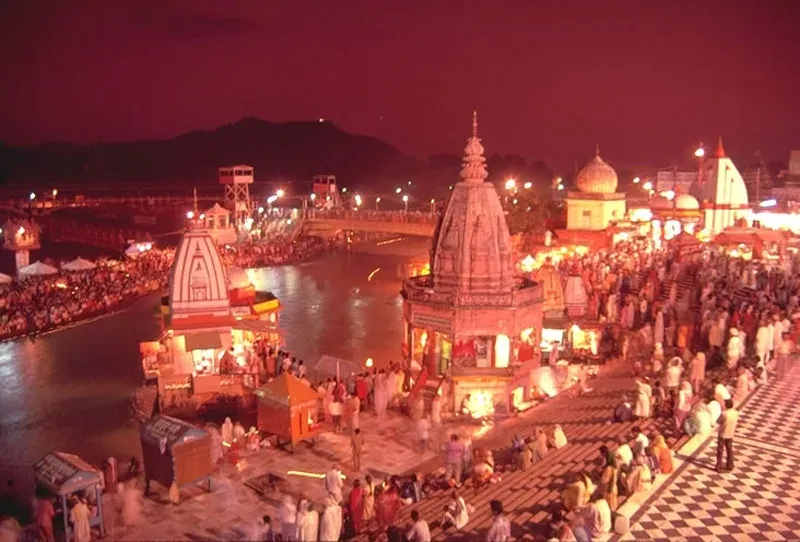 Har Ki Pauri (Ganga Aarti)Uttarakhand
 Neelkanth Mahadev TempleUttarakhand
Sources
- en.wikipedia.org/wiki/Mahalakshmi_Temple,_Kolhapur
- mr.wikipedia.org/wiki/महालक्ष्मी_मंदिर_(कोल्हापूर)
- livehistoryindia.com/story/monuments/kolhapur-mahalakshmis-tirupati-co…
- maharashtratourism.gov.in/?p=8254
- lokmattimes.com/maharashtra/kolhapur-ambabais-kirnotsav-begins-suns-ra…
- sanskritdocuments.org/doc_devii/shaktipIThAni.html