 Karmandir
Shri Pitambara Peeth, Datia
Datia, Datia district, Madhya Pradesh
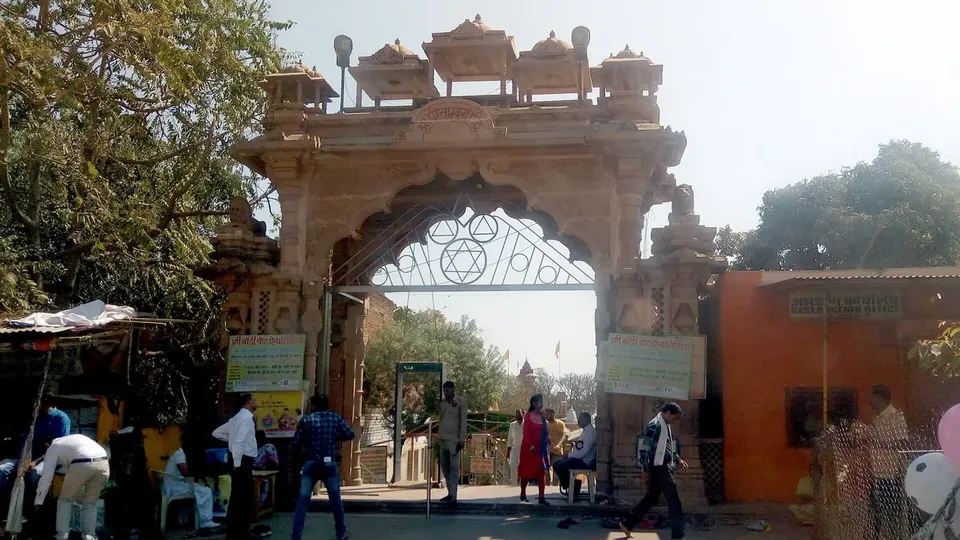
About
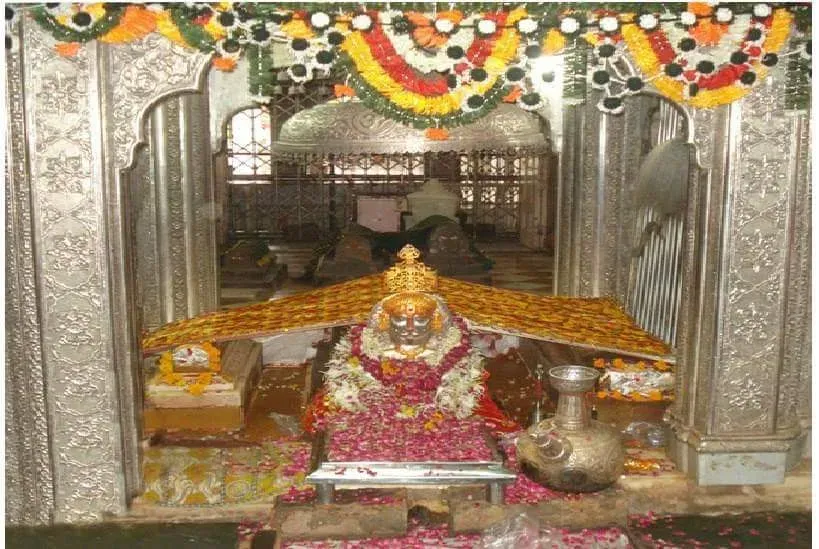
Shri Pitambara Peeth is a temple and ashram complex in Datia town of Madhya Pradesh, about 3 km from Datia railway station. It is one of the best-known shrines of Maa Baglamukhi in India, where she is worshipped as Maa Pitambara, 'the Devi in yellow'. Darshan of the Mother here is not through a grand doorway but through a small window. The complex also has a rare temple of Maa Dhumavati, another of the ten Mahavidyas, whose doors by custom open only at aarti time. The ancient Vankhandeshwar Shiv temple is here too. The ashram keeps a Sanskrit library and teaches Sanskrit to children free of cost.
The story
The Peeth grew around a wandering sanyasi known only as Swami ji Maharaj. He never told anyone his birth name or where he came from; he was a Parivrajakacharya Dandi Swami. According to Madhya Pradesh Tourism, he stopped in Datia for one night in 1929 and stayed on. He did tapasya here for years and, in the 1930s, installed the murti of Maa Baglamukhi and founded the Peeth. Later he set up a temple of Maa Dhumavati in the same complex, which is very rare. Swami ji was a scholar of Sanskrit and many other languages, and loved classical music. The complex also has temples of Parshuram, Hanuman ji and Kal Bhairav. The Vankhandeshwar Shivling is believed to date from the time of the Mahabharat. In the Baglamukhi tradition, the Devi rose from the Haridra (turmeric) lake; the pond in front of the temple is named Haridra Sarovar after it.
Visiting
October to March is the best time, as Datia summers are very hot. Navratri and Saturdays are busier. Dress modestly, leave leather items outside and keep silence where asked. Jhansi is about 29 km away and Gwalior about 75 km. The Jain temples of Sonagiri are nearby.
Festivals
- Chaitra and Ashwin Navratri
- Baglamukhi Jayanti (Vaishakh Shukla Ashtami)
- Mondays of Sawan and Mahashivratri (Vankhandeshwar Mahadev)
Devta dhams
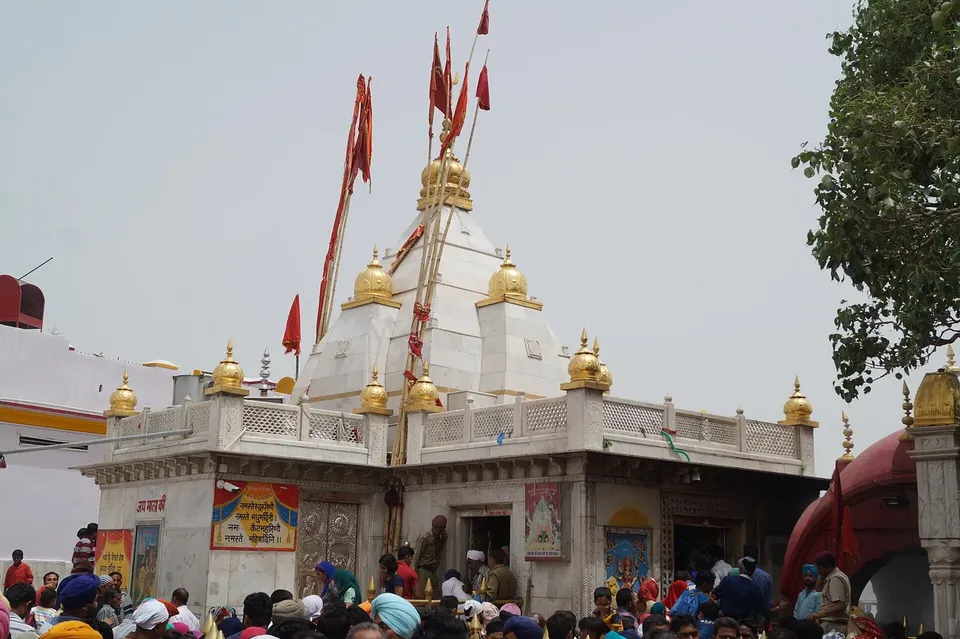 Shri Naina Devi TempleHimachal Pradesh
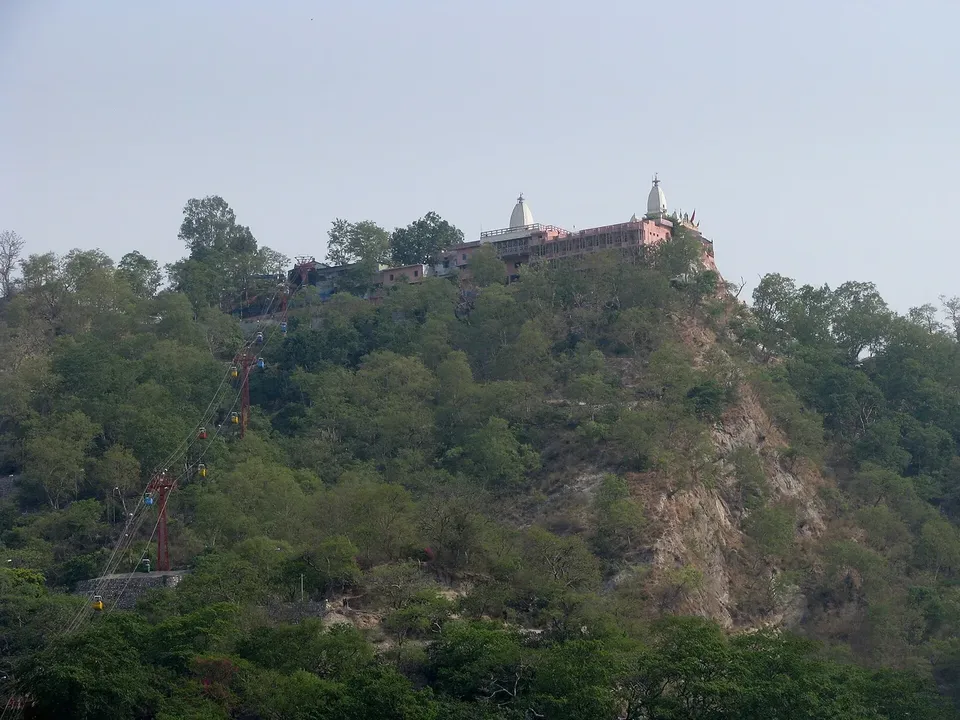 Mansa Devi Temple, HaridwarUttarakhand
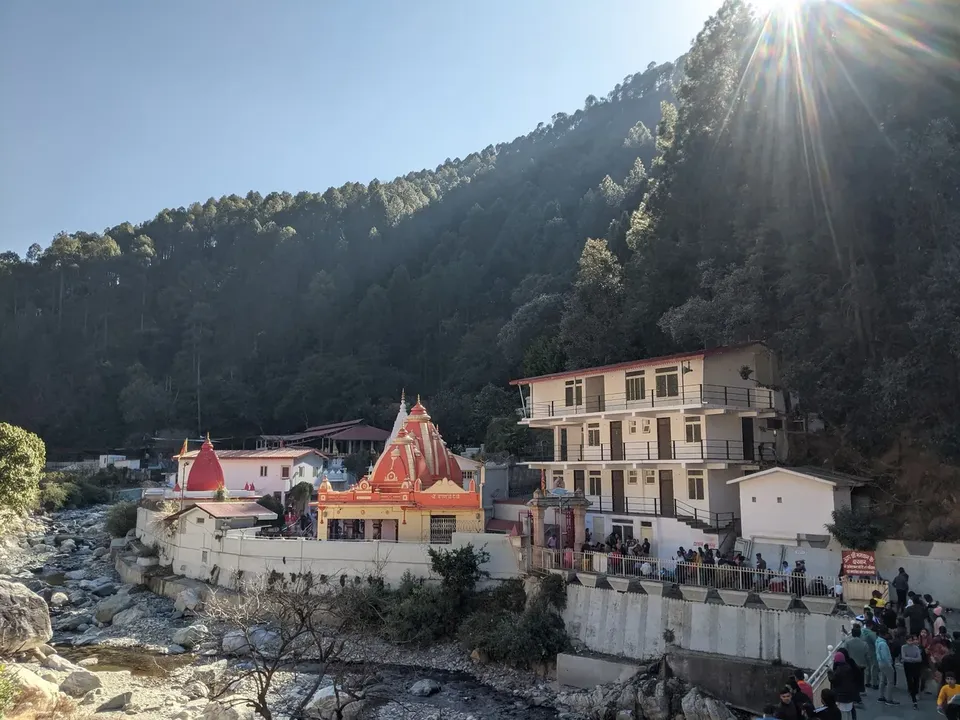 Kainchi Dham (Neem Karoli Baba Ashram)Uttarakhand
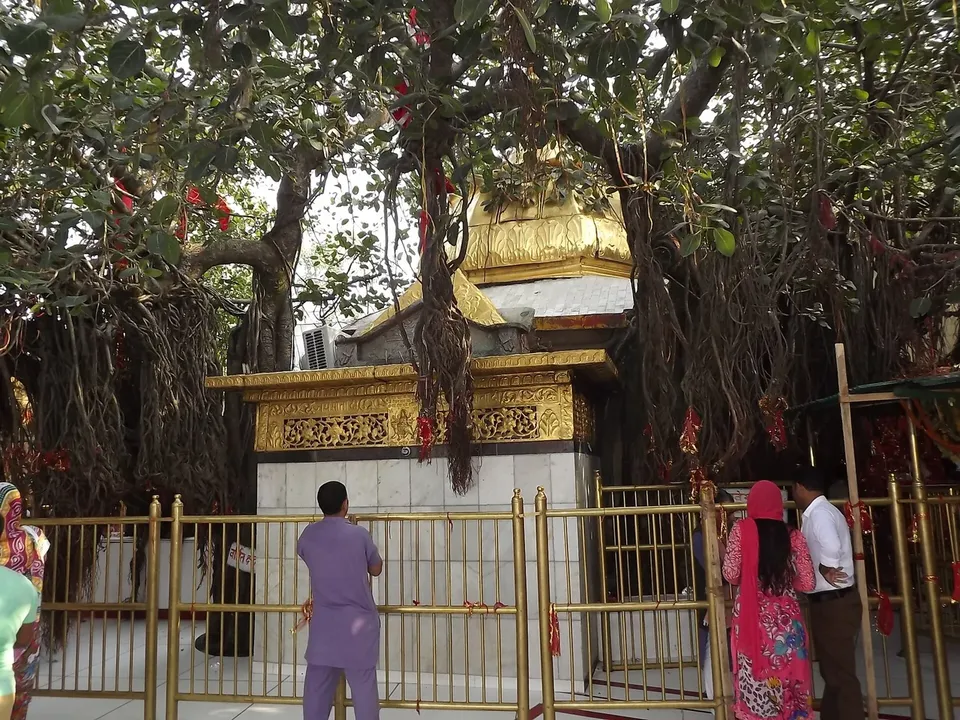 Mata Chintpurni (Chhinnamastika) TempleHimachal Pradesh
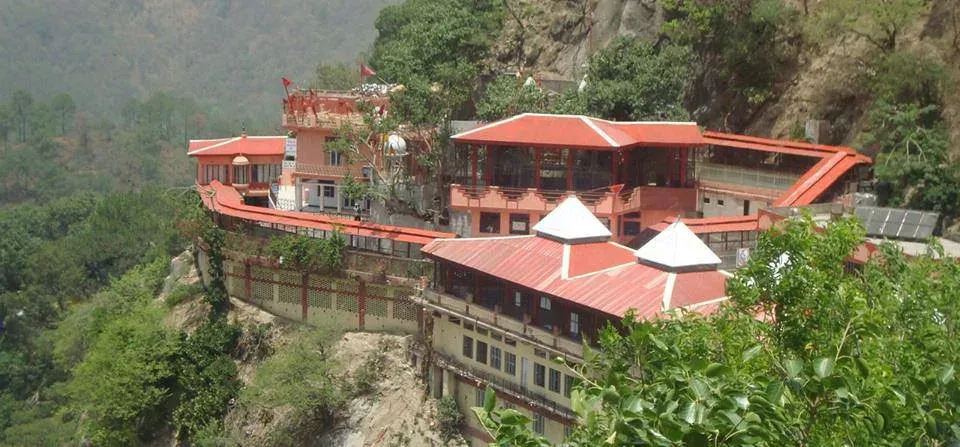 Baba Balak Nath Temple, DeotsidhHimachal Pradesh
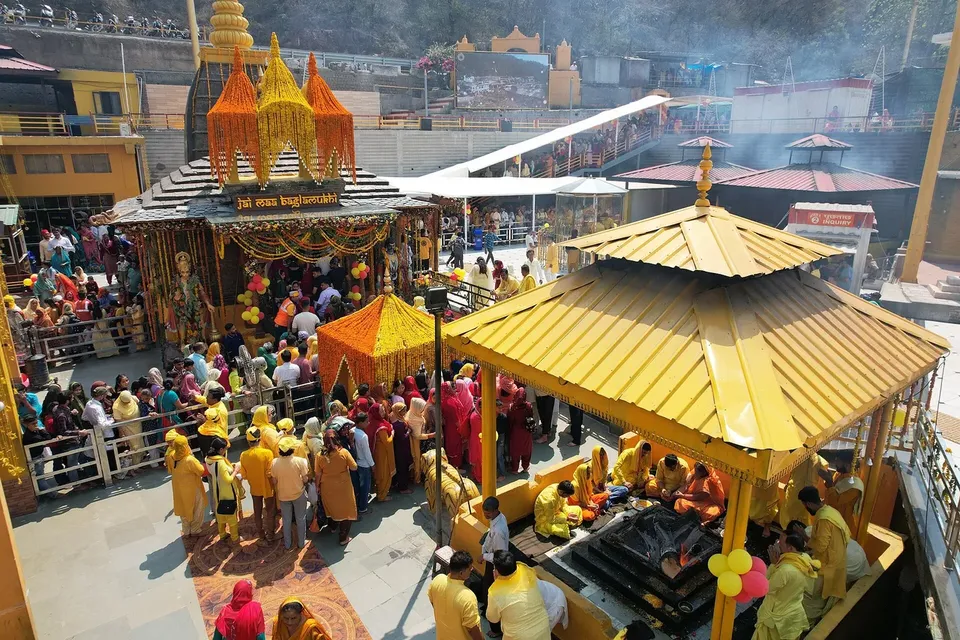 Maa Baglamukhi Temple, BankhandiHimachal Pradesh
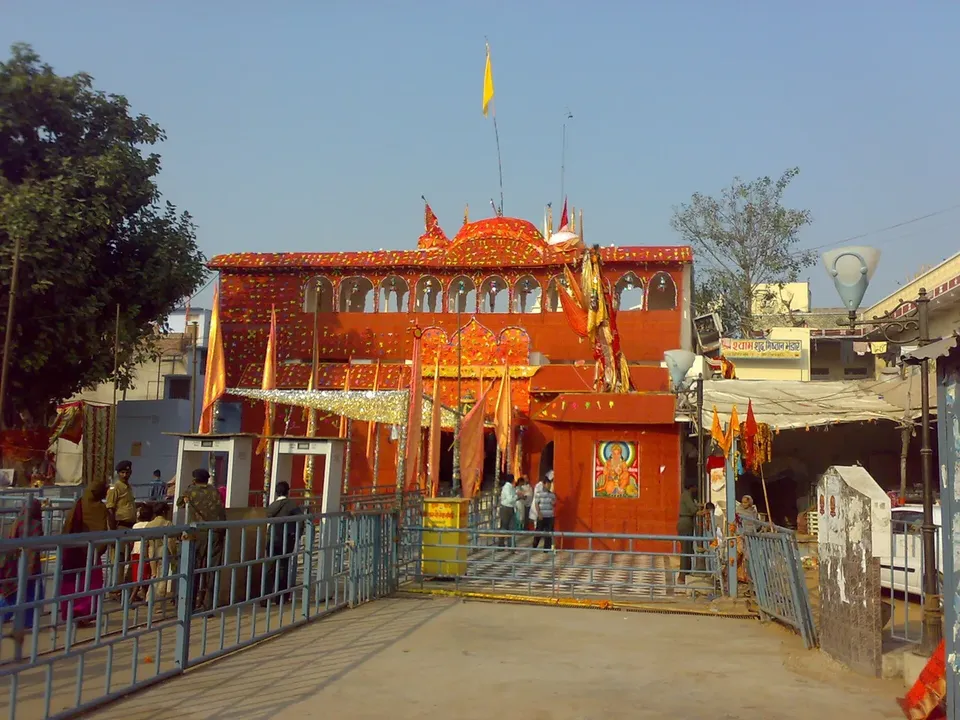 Khatu Shyam Ji TempleRajasthan
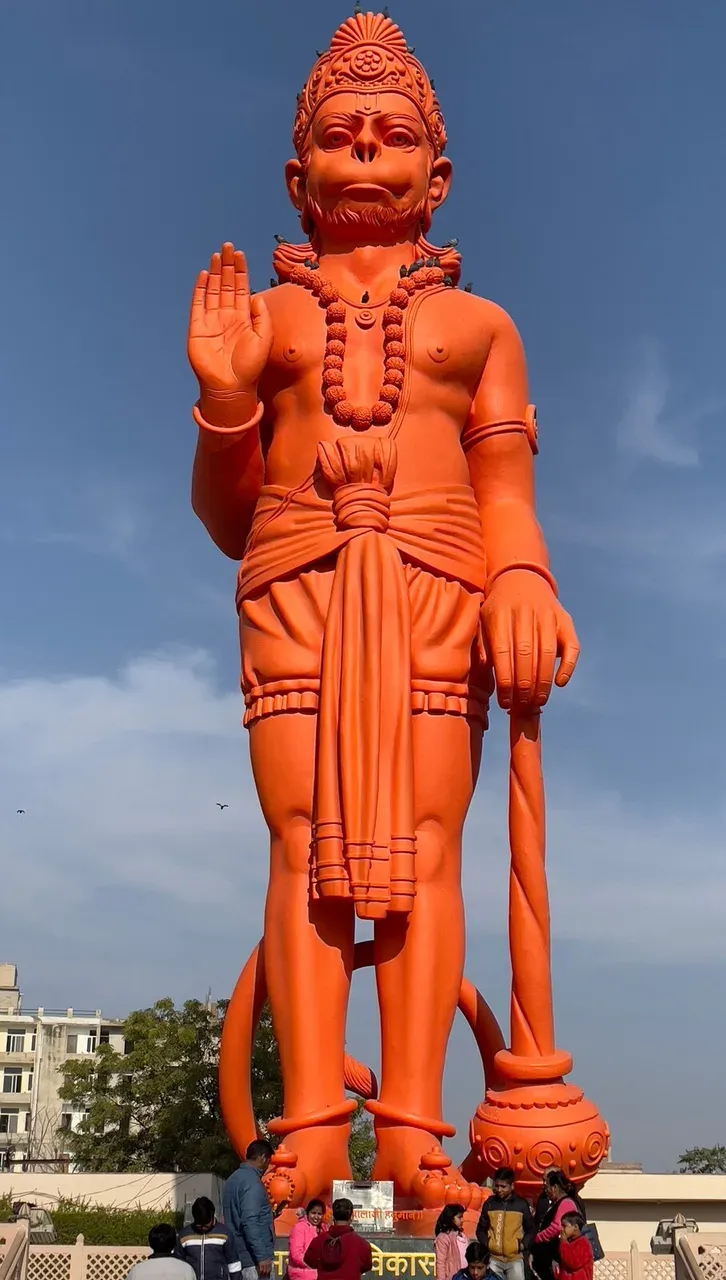 Salasar Balaji TempleRajasthan
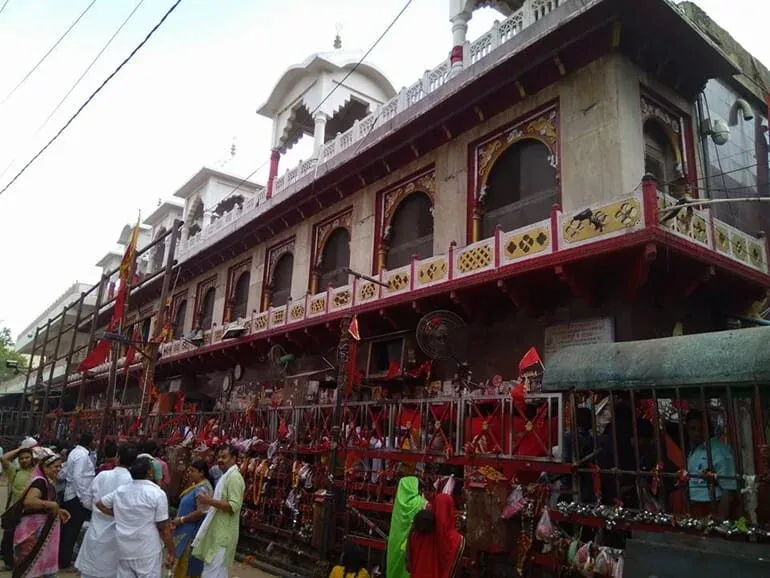 Mehandipur Balaji TempleRajasthan
 Shrinathji Temple (Shrinathji ki Haveli)Rajasthan
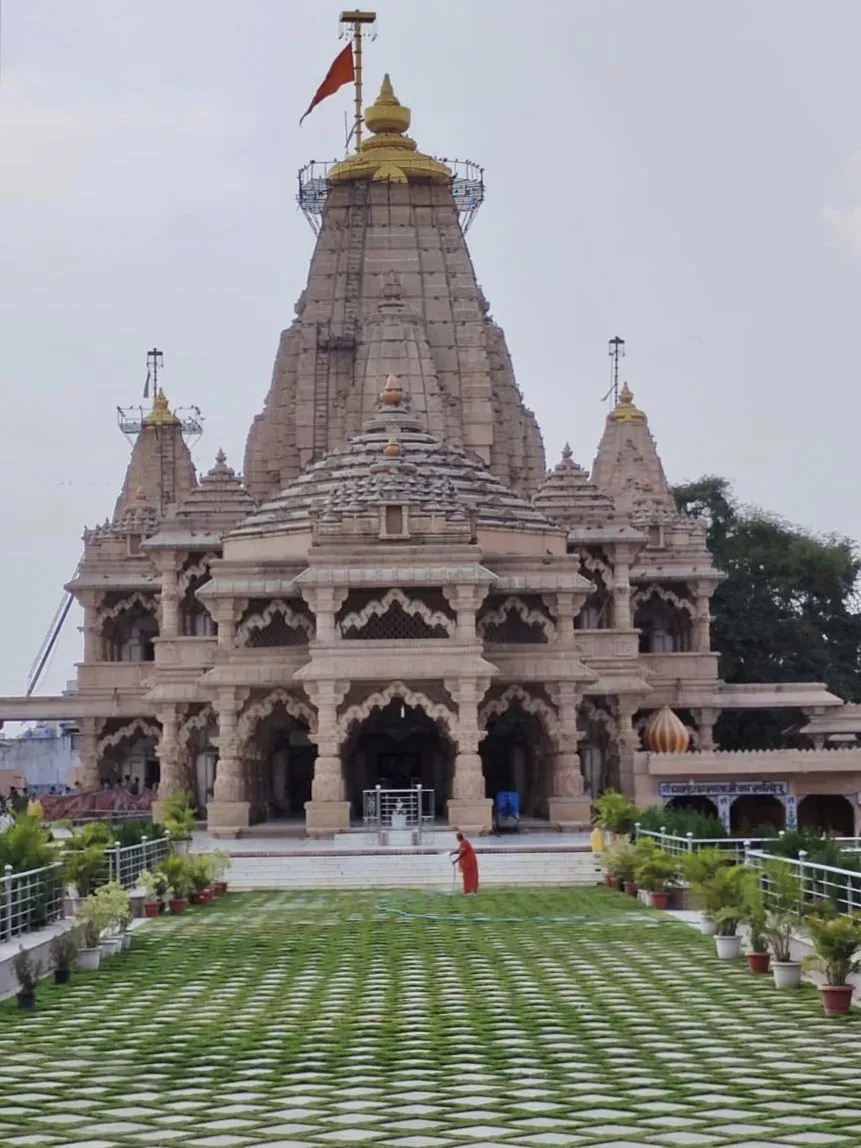 Shri Sanwaliya Seth Temple (Sanwaliya Ji Dham)Rajasthan
 Baba Ramdev Samadhi Temple, Ramdevra (Runicha Dham)Rajasthan
Sources
- en.wikipedia.org/wiki/Pitambara_Peeth
- incredibleindia.gov.in/en/madhya-pradesh/datia/shri-pitambara-peeth
- mptourism.com/shree-pitambara-peeth-datia.html
- aajtak.in/religion/story/rahul-gandhi-visit-pitambara-devi-mandir-sign…
- bhaktibharat.com/mandir/pitambara-peeth
- prabhatkhabar.com/religion/baglamukhi-jayanti-2026-temples-nalkheda-da…
- hi.wikipedia.org/wiki/पीताम्बरा_पीठ