 Karmandir
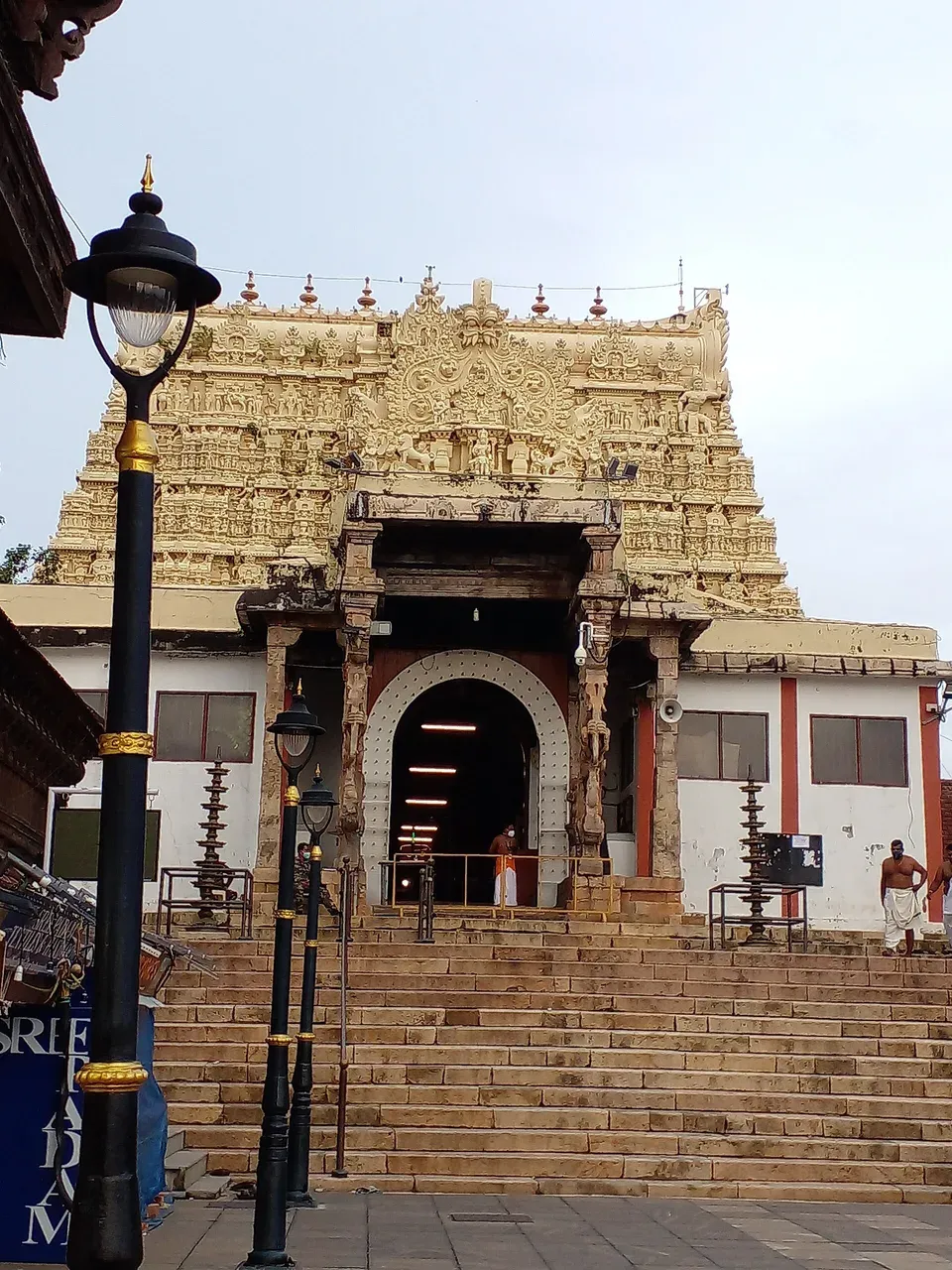
Sree Padmanabhaswamy Temple
Thiruvananthapuram (Trivandrum), Kerala
About
The Sree Padmanabhaswamy temple of Thiruvananthapuram is one of the 108 Divya Desams of Lord Vishnu. The city's very name means 'the city of Lord Ananta'. In the sanctum Lord Vishnu reclines in yoga-nidra on Adishesha. His right hand rests over a Shivling, and Brahma sits on the lotus rising from his navel. The murti is so long that it is seen through three doors: the face and hand through the first, the navel through the second and the feet through the third. It is said to be made of 12,008 shaligrams. Lord Padmanabha is the family deity of the Travancore royal family. The Padma Theertham tank lies in front of the temple.
The story
The temple's beginnings are very old and cannot be dated exactly. The Srimad Bhagavatam tells of Balaram ji coming here and bathing in the Padma Theertham, and the 9th-century Alvar saint Nammalvar sang ten hymns to Padmanabha. The temple's old palm-leaf records and the Ananthasayana Mahatmya say the murti was consecrated by a hermit named Divakara Muni; another tradition links it to the saint Vilvamangalathu Swamiyar. In the 18th century Maharaja Marthanda Varma of Travancore had the temple rebuilt. The murti was consecrated again in 1731, and the Ottakkal Mandapam, a platform cut from a single huge rock, was placed before the Lord. On 17 January 1750 the Maharaja gave his whole kingdom to Lord Padmanabha and declared that he and his descendants would rule only as the Lord's servants, 'Padmanabha Dasa'. From then on, every king of Travancore carried the title 'Sree Padmanabha Dasa'. By custom only the king may lie in full prostration on the Ottakkal Mandapam, since he has already surrendered everything to the Lord.
Visiting
November to February is pleasant. By temple custom, only those of the Hindu faith may enter, and a strict traditional dress code applies: men in dhoti (mundu) with an angavastram, women in sari. The Kuthira Malika palace, the Padma Theertham and Shankumugham beach are nearby.
Festivals
- Alpashi (Aipasi) festival: ten days in October to November, ending with the Aarattu (holy bath) procession to Shankumugham beach
- Panguni festival: ten days in March to April, with the Aarattu
- Navratri, with the Swathi Sangeetholsavam music festival
- Laksha Deepam: one lakh lamps, once every six years
Famous temples
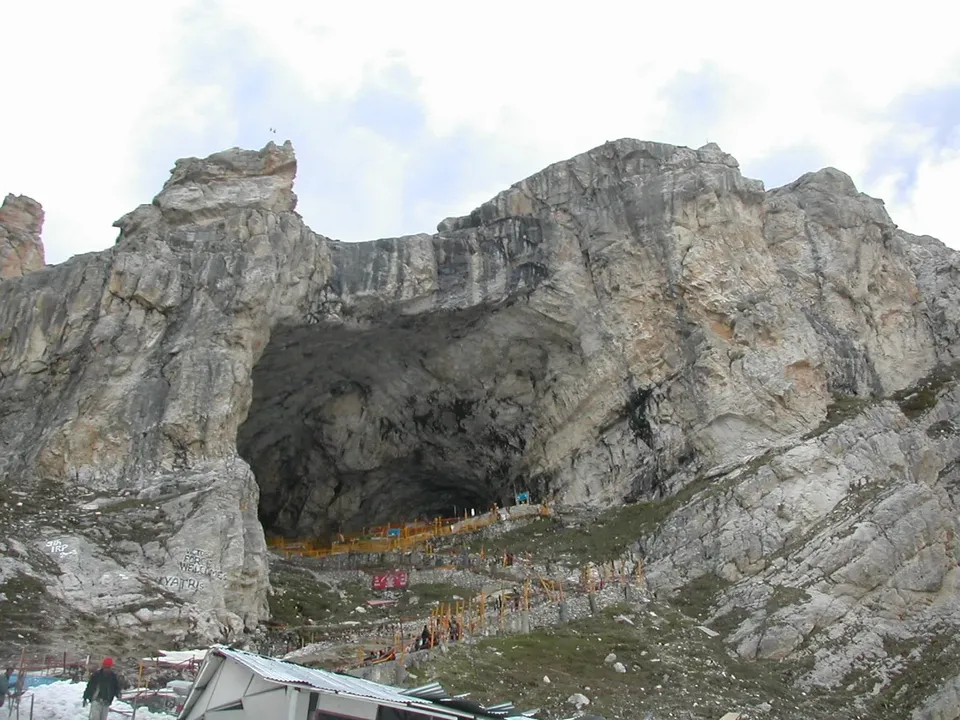 Amarnath CaveJammu and Kashmir
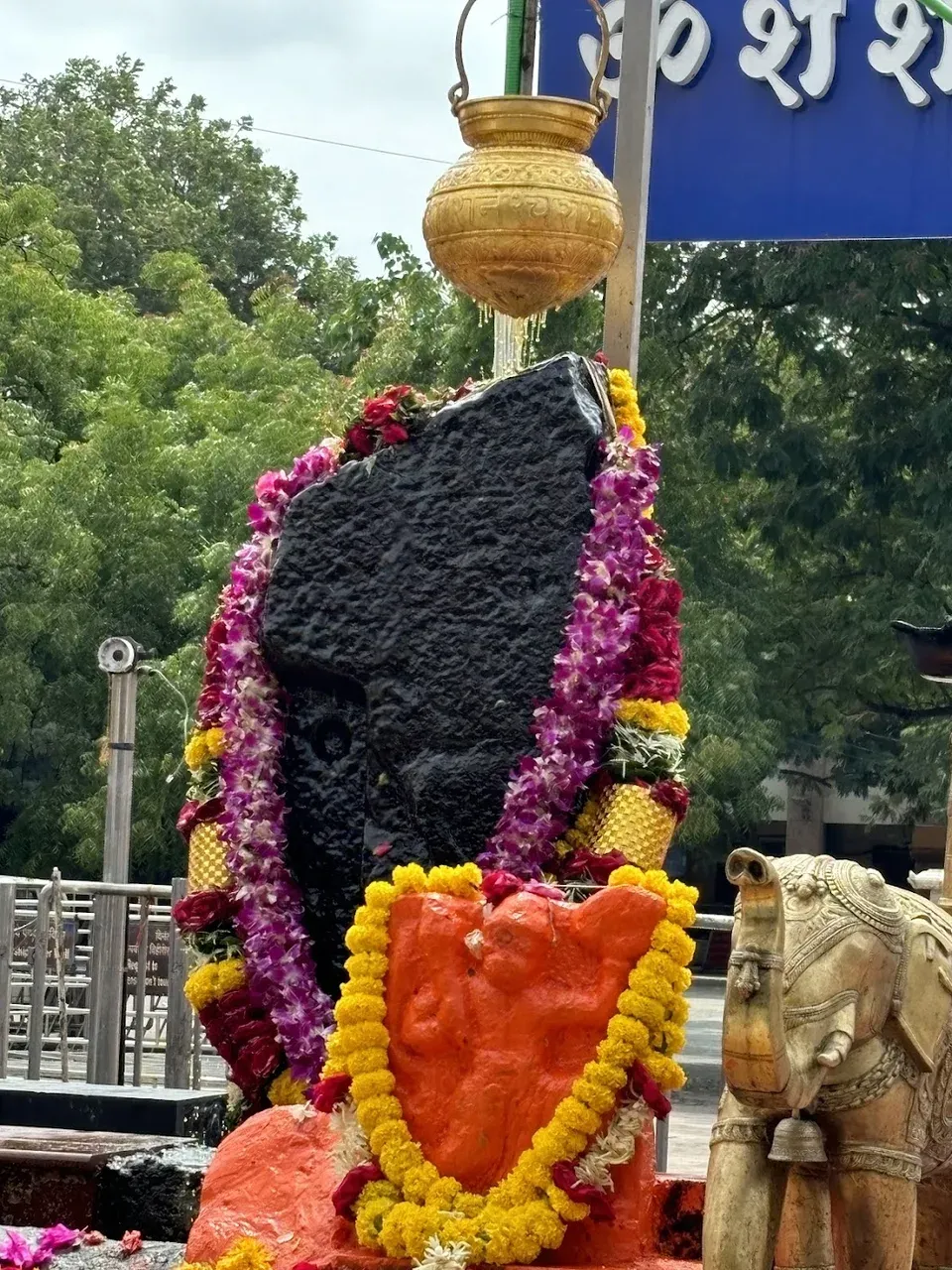 Shani ShingnapurMaharashtra
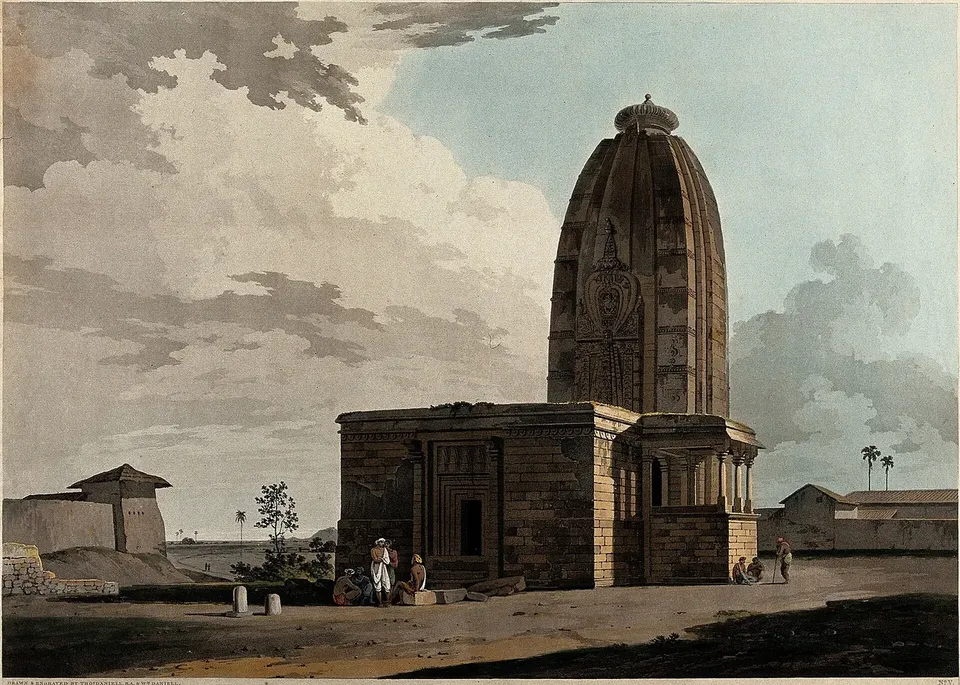 Deo Surya Mandir (Devark)Bihar
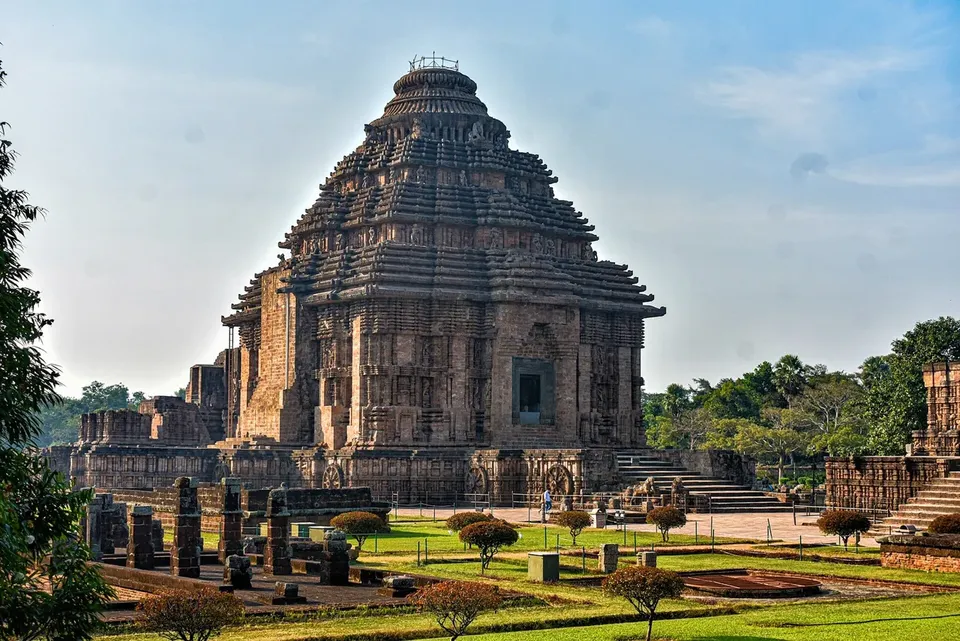 Konark Sun TempleOdisha
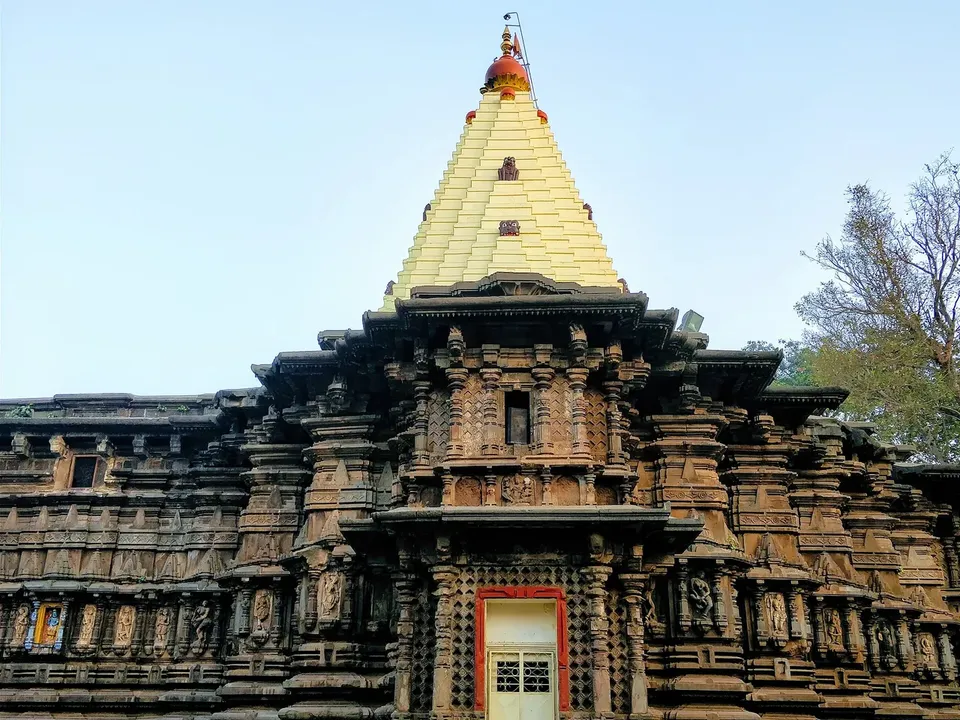 Shri Mahalakshmi (Ambabai) Temple, KolhapurMaharashtra
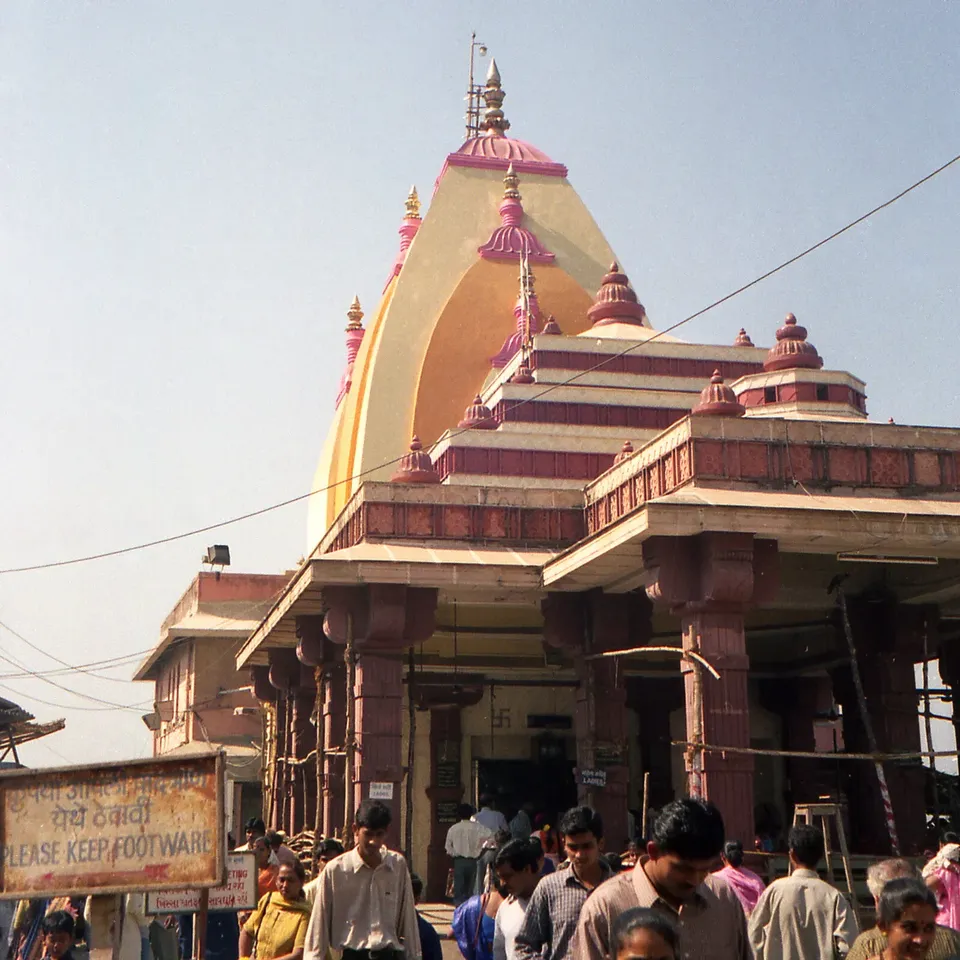 Mahalakshmi Temple, MumbaiMaharashtra
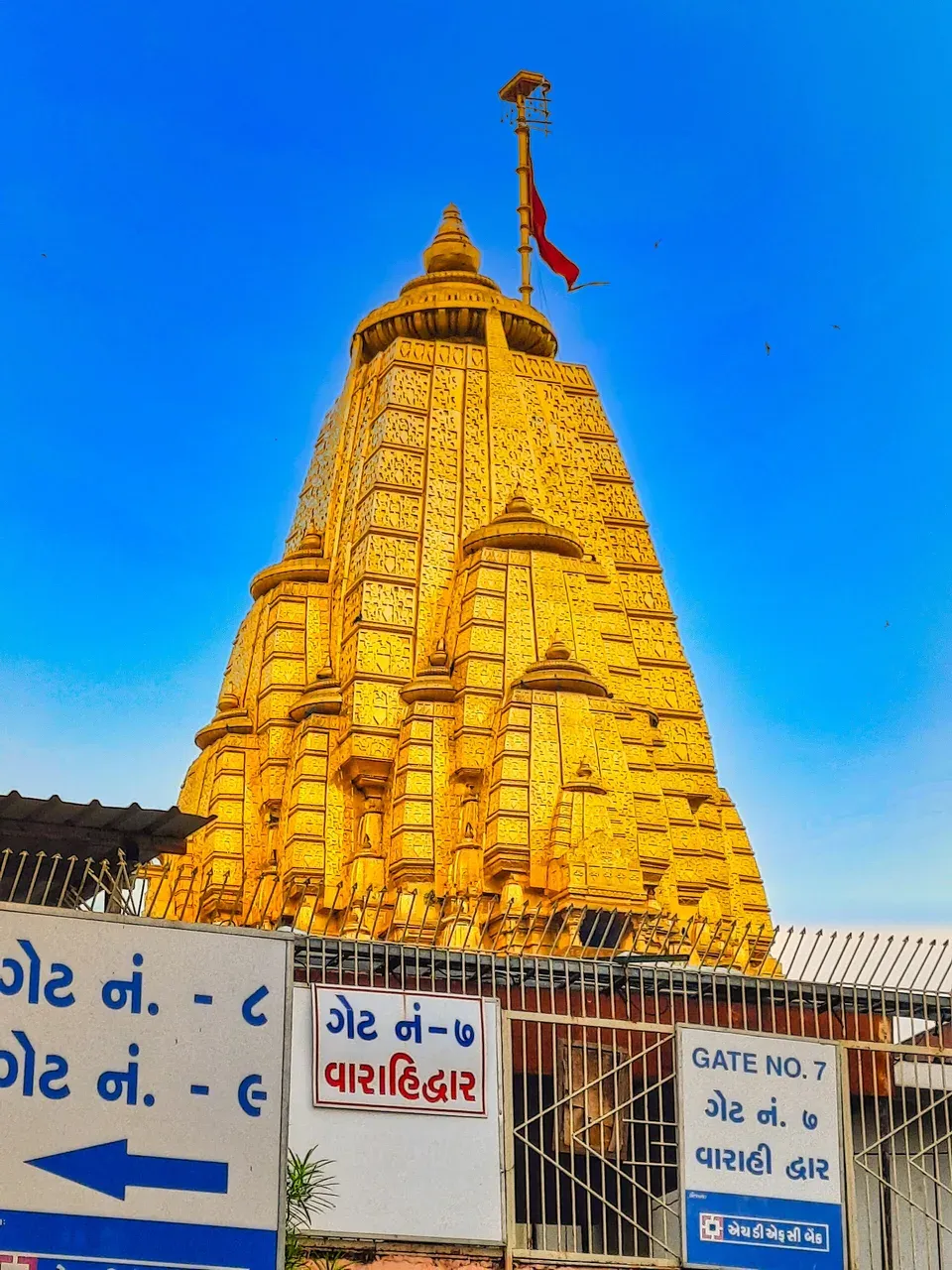 Ambaji Mata TempleGujarat
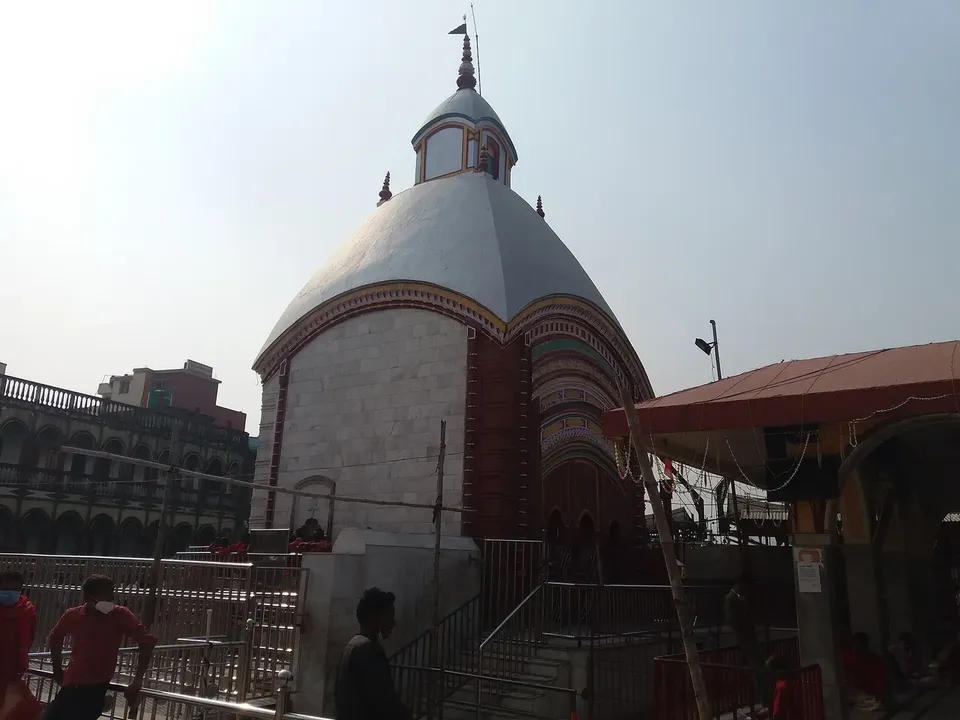 TarapithWest Bengal
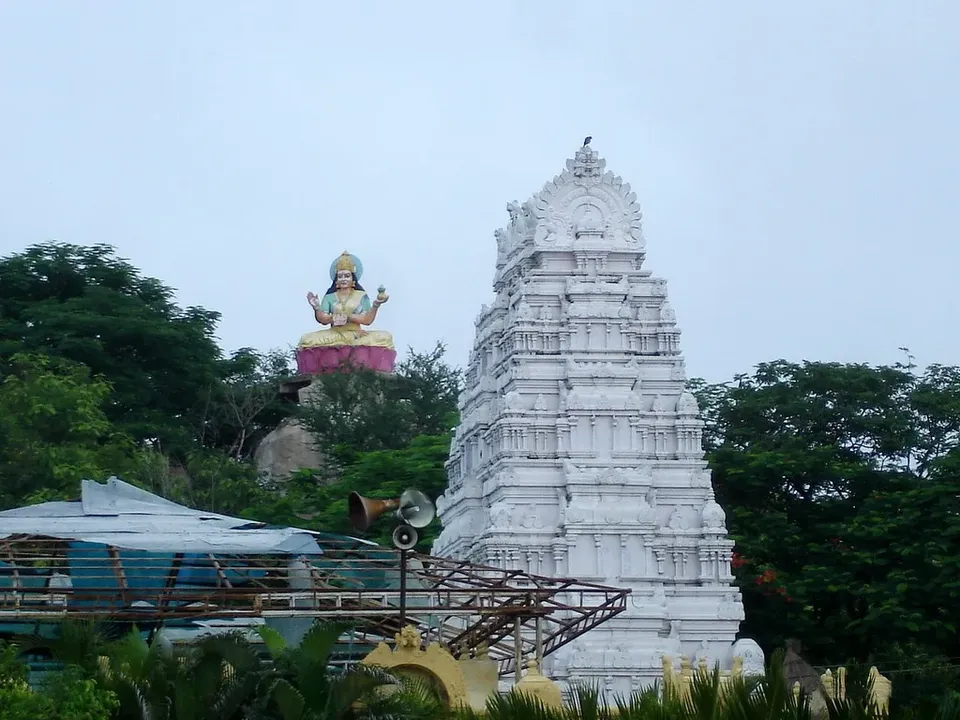 Gnana Saraswati Temple, BasarTelangana
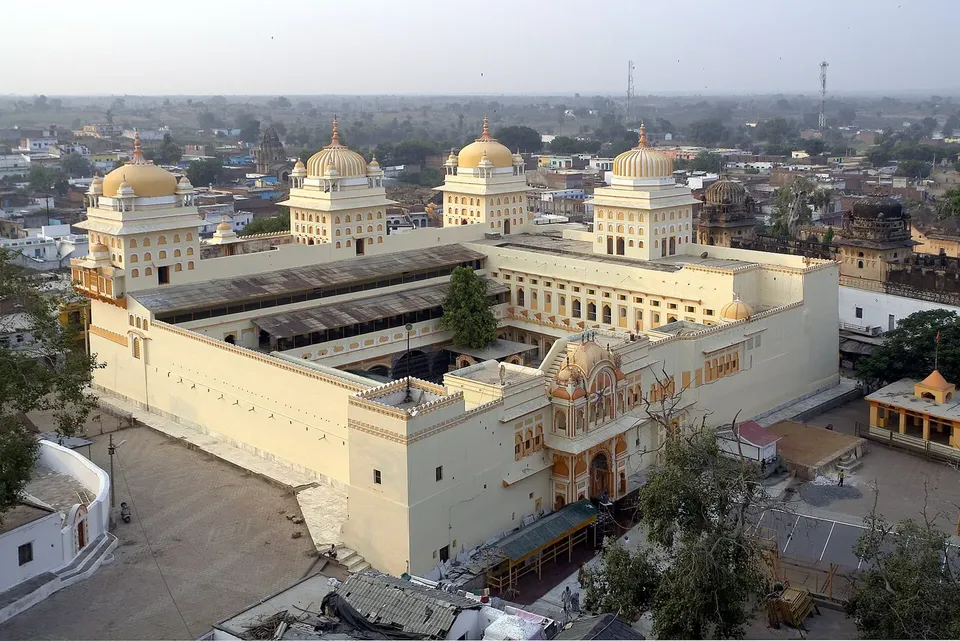 Ram Raja Temple, OrchhaMadhya Pradesh
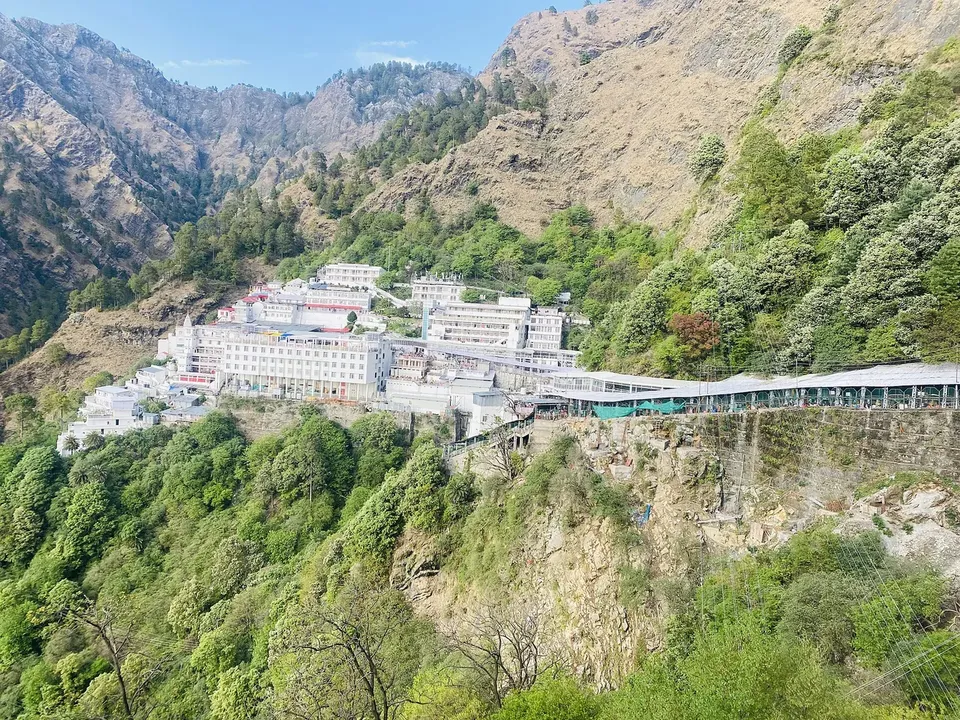 Mata Vaishno DeviJammu and Kashmir
 Har Ki Pauri (Ganga Aarti)Uttarakhand