 Karmandir
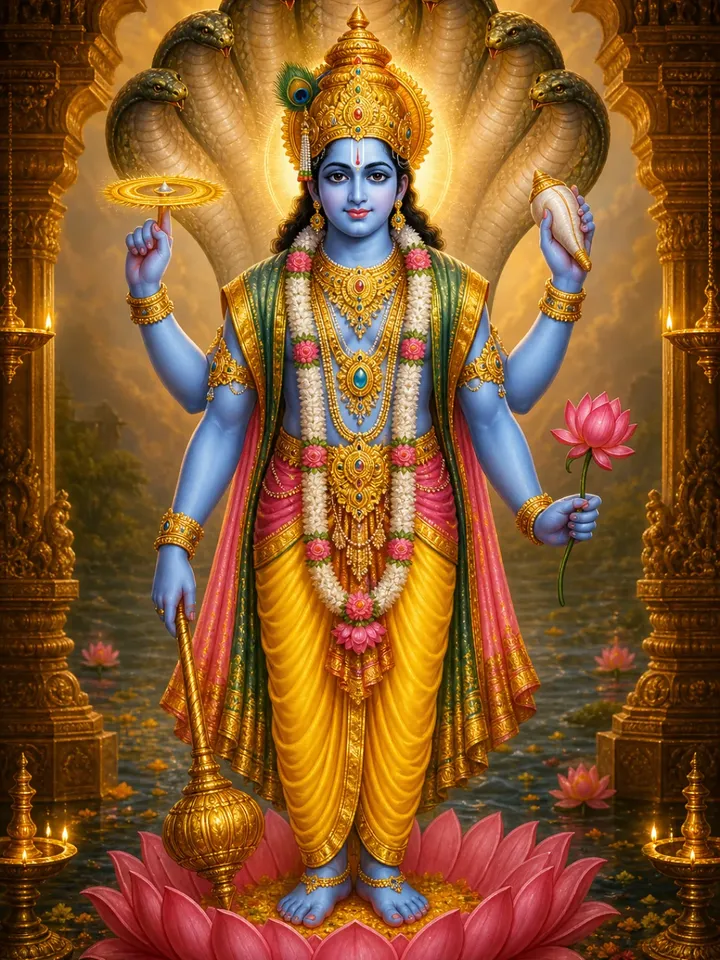
विजया एकादशी फाल्गुन मास के कृष्ण पक्ष में, महाशिवरात्रि से कुछ दिन पहले आती है (अमांत पंचांग में इसे माघ कृष्ण पक्ष की एकादशी कहते हैं)। ‘विजया’ का अर्थ है जीत; इस दिन भगवान विष्णु का व्रत रखकर श्री राम से जुड़ी यह कथा सुनी जाती है।
विजया एकादशी व्रत कथा
प्रारम्भ
धर्मराज युधिष्ठिर ने भगवान श्रीकृष्ण से पूछा, “हे जनार्दन! आपने माघ शुक्ल पक्ष की जया एकादशी की कथा सुनाई। अब फाल्गुन मास के कृष्ण पक्ष की एकादशी का क्या नाम है और उसका व्रत कैसे किया जाता है? कृपा करके बताइए।”
श्रीकृष्ण बोले, “हे राजन! इस एकादशी का नाम विजया एकादशी है। एक बार देवर्षि नारद ने भी जगत-पिता ब्रह्मा जी से यही प्रश्न पूछा था। तब ब्रह्मा जी ने उन्हें श्री राम से जुड़ी यह कथा सुनाई थी। वही कथा मैं तुम्हें सुनाता हूँ।”
कथा
त्रेता युग की बात है। जब श्री राम को चौदह वर्ष का वनवास मिला, तो वे लक्ष्मण जी और सीता जी के साथ पंचवटी में रहने लगे। वहीं से रावण छल से सीता जी को हर ले गया। श्री राम और लक्ष्मण जी बहुत व्याकुल हुए और सीता जी को खोजते हुए वन-वन भटकने लगे।
रास्ते में उन्हें घायल जटायु मिले। जटायु ने बताया कि रावण सीता जी को ले गया है, और फिर श्री राम की गोद में प्राण त्याग दिए। आगे चलकर श्री राम की मित्रता वानरराज सुग्रीव से हुई। हनुमान जी लंका गए, अशोक वाटिका में सीता जी को खोज निकाला और लौटकर श्री राम को सारा समाचार सुनाया।
तब श्री राम सुग्रीव और वानर-भालुओं की सेना के साथ लंका की ओर चल पड़े। जब सेना समुद्र के किनारे पहुँची, तो श्री राम ने देखा कि समुद्र बहुत गहरा और विशाल है और उसमें बड़े-बड़े मगरमच्छ और जल-जीव हैं। उन्होंने लक्ष्मण जी से कहा, “लक्ष्मण, इतनी बड़ी सेना के साथ यह समुद्र हम कैसे पार करेंगे?”
लक्ष्मण जी बोले, “भैया, आप तो सब जानते हैं। फिर भी, यहाँ से आधा योजन दूर कुमारी द्वीप में वकदाल्भ्य नाम के मुनि रहते हैं। वे बहुत ज्ञानी और बहुत पुराने ऋषि हैं। आप उनसे इसका उपाय पूछिए।”
श्री राम वकदाल्भ्य मुनि के आश्रम पहुँचे और उन्हें प्रणाम करके बैठ गए। मुनि ने पूछा, “हे राम, आपका यहाँ आना कैसे हुआ?” श्री राम ने कहा, “मुनिवर, मैं अपनी सेना के साथ लंका जाना चाहता हूँ। कृपा करके समुद्र पार करने का कोई उपाय बताइए।”
मुनि बोले, “हे राम, फाल्गुन मास के कृष्ण पक्ष में विजया एकादशी आती है। आप अपने सेनापतियों के साथ उस दिन का व्रत रखिए। इसकी विधि यह है: दशमी के दिन सोने, चाँदी, ताँबे या मिट्टी का एक कलश लीजिए। उसमें जल भरकर ऊपर पाँच पेड़ों के पत्ते (पंचपल्लव) रखिए और उसे एक वेदी पर स्थापित कीजिए। कलश के नीचे सात तरह के अनाज (सतनजा) और ऊपर जौ रखिए। उस पर भगवान नारायण की प्रतिमा स्थापित कीजिए।
एकादशी के दिन स्नान करके धूप, दीप, नैवेद्य और नारियल से भगवान की पूजा कीजिए। सारा दिन उस कलश के सामने भक्ति से बिताइए और रात को भी वहीं बैठकर जागरण कीजिए। द्वादशी के दिन नदी या तालाब के किनारे स्नान करके, पूजा के बाद वह कलश किसी ब्राह्मण को दान कर दीजिए।”
श्री राम ने मुनि के बताए अनुसार अपनी सेना के प्रमुख साथियों के साथ विजया एकादशी का व्रत किया। इसके बाद सेना ने समुद्र पार किया और श्री राम ने लंका पर विजय पाई।
श्री राम स्वयं भगवान विष्णु के अवतार थे, फिर भी उन्होंने बड़े काम से पहले विनम्रता से ऋषि की सलाह ली और व्रत रखा। यह कथा सिखाती है कि किसी भी बड़े काम से पहले धीरज, बड़ों की सलाह और भगवान का स्मरण बहुत ज़रूरी है।
भगवान विष्णु सबके मन में श्रद्धा और शांति बनाए रखें।
॥ बोलो श्री हरि विष्णु भगवान की जय ॥
अंग्रेज़ी में
The beginning
Dharmaraj Yudhishthira asked Shri Krishna, “O Janardan, you have told me the story of Jaya Ekadashi of Magh Shukla paksha. Now, what is the name of the Ekadashi in the Krishna paksha of Phalgun, and how is its fast kept? Please tell me.”
Shri Krishna said, “O King, this Ekadashi is called Vijaya Ekadashi. Once Devarshi Narad asked Brahma ji, the father of the world, this same question. Brahma ji then told him this story about Shri Ram. I will tell you that same story.”
The story
This happened in the Treta Yuga. When Shri Ram was sent to the forest for fourteen years, he lived at Panchavati with Lakshman ji and Sita ji. From there Ravan carried Sita ji away by trickery. Shri Ram and Lakshman ji were deeply troubled and wandered from forest to forest searching for her.
On the way they found the wounded Jatayu. Jatayu told them that Ravan had taken Sita ji away, and then he breathed his last in Shri Ram’s lap. Later Shri Ram became friends with Sugriv, the king of the vanars. Hanuman ji went to Lanka, found Sita ji in the Ashok Vatika, and came back to give Shri Ram all the news.
Then Shri Ram set out for Lanka with Sugriv and the army of vanars and bears. When the army reached the seashore, Shri Ram saw that the sea was very deep and wide, full of huge crocodiles and sea creatures. He said to Lakshman ji, “Lakshman, how will we cross this sea with such a large army?”
Lakshman ji said, “Bhaiya, you know everything. Still, half a yojan from here, on Kumari island, lives a sage named Vakdalbhya. He is very wise and very old. Please ask him for a way.”
Shri Ram went to Sage Vakdalbhya’s ashram, bowed to him and sat down. The sage asked, “O Ram, what brings you here?” Shri Ram said, “Munivar, I want to go to Lanka with my army. Please tell me a way to cross the sea.”
The sage said, “O Ram, Vijaya Ekadashi comes in the Krishna paksha of Phalgun. Keep the fast on that day along with your army chiefs. This is how it is done. On Dashami, take a kalash of gold, silver, copper or clay. Fill it with water, place leaves of five trees (panch pallav) on top, and set it on an altar. Put seven kinds of grain (satnaja) under the kalash and barley on top. Place an image of Bhagwan Narayan on it.
On Ekadashi, after bathing, worship the Lord with incense, a lamp, naivedya and a coconut. Spend the whole day with devotion in front of the kalash, and stay awake there through the night as well. On Dwadashi, bathe at a river or pond, and after the puja give the kalash to a Brahmin.”
Shri Ram kept the Vijaya Ekadashi fast with the chief members of his army, just as the sage had said. After that the army crossed the sea, and Shri Ram won victory over Lanka.
Shri Ram was himself an avatar of Vishnu ji, yet before a great task he humbly asked a sage for advice and kept the fast. This story teaches that before any big task, patience, the advice of elders and the remembrance of God matter a great deal.
May Vishnu ji keep faith and peace in every heart.
Bolo Shri Hari Vishnu Bhagwan ki Jai!
स्रोत: Skanda Purana, Vijaya Ekadashi mahatmya (Brahma to Narada, as told by Shri Krishna to Yudhishthira), retold