 Karmandir
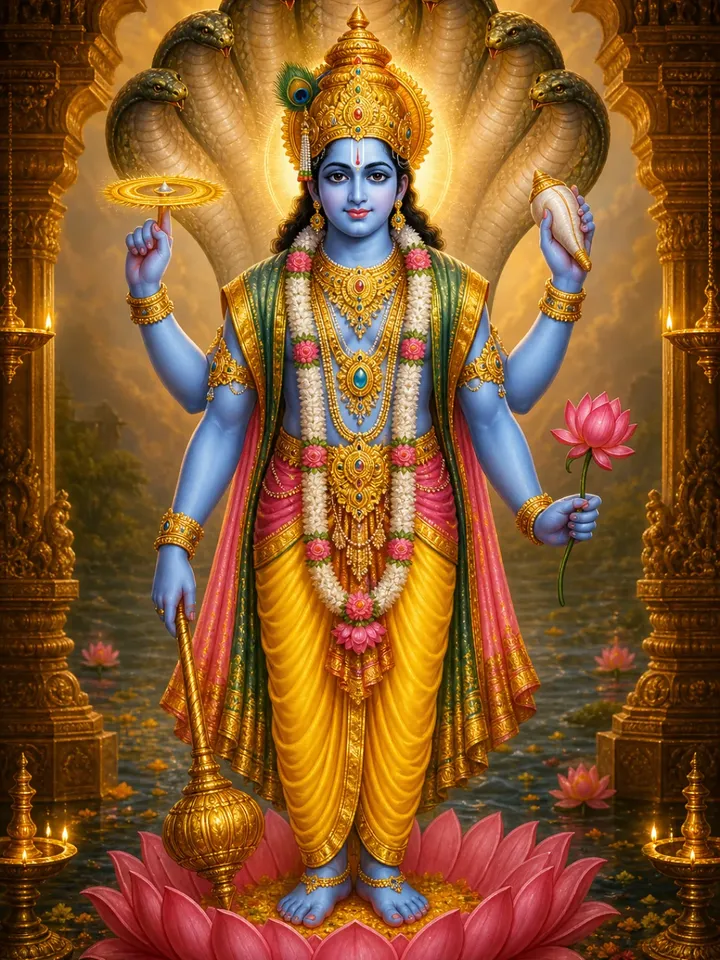
देवशयनी एकादशी आषाढ़ मास के शुक्ल पक्ष में आती है। मान्यता है कि इस दिन से भगवान विष्णु चार महीने के लिए योगनिद्रा में जाते हैं और चातुर्मास शुरू होता है; इसे पद्मा, हरिशयनी या आषाढ़ी एकादशी भी कहते हैं।
देवशयनी एकादशी व्रत कथा
प्रारम्भ
धर्मराज युधिष्ठिर ने भगवान श्रीकृष्ण से पूछा, “हे केशव! आषाढ़ मास के शुक्ल पक्ष की एकादशी का क्या नाम है? इस दिन किस देवता की पूजा होती है और व्रत की विधि क्या है?”
श्रीकृष्ण बोले, “हे राजन! इसे देवशयनी एकादशी कहते हैं। इसका एक नाम पद्मा एकादशी भी है। एक बार देवर्षि नारद ने ब्रह्मा जी से इस एकादशी के बारे में पूछा था। तब ब्रह्मा जी ने जो कथा सुनाई, वही मैं तुम्हें सुनाता हूँ।”
मान्यता है कि इसी दिन से भगवान विष्णु चार महीने के लिए क्षीरसागर में शेषनाग की शय्या पर योगनिद्रा में जाते हैं। इन चार महीनों को चातुर्मास कहते हैं, जिनमें लोग भजन, सत्संग और सादा जीवन अपनाते हैं।
कथा
सतयुग में मांधाता नाम के एक सूर्यवंशी चक्रवर्ती राजा थे। वे सच्चे, दयालु और प्रतापी थे। वे अपनी प्रजा को अपनी संतान की तरह पालते थे। उनके राज्य में सब लोग सुखी थे और कभी अकाल नहीं पड़ा था।
पर एक समय ऐसा आया कि उनके राज्य में लगातार तीन साल तक बारिश नहीं हुई। खेत सूख गए, अन्न कम पड़ने लगा और चारों ओर हाहाकार मच गया। दुख के इन दिनों में यज्ञ, हवन और कथा-पूजा भी कम होने लगे। आख़िर प्रजा राजा के पास आई और बोली, “महाराज! वर्षा ही अन्न का आधार है। बारिश न होने से हम बहुत दुखी हैं। कृपा करके कोई उपाय कीजिए।”
राजा पहले से ही इस बात से बहुत दुखी थे। वे सोचते, “मैं धर्म से राज करता हूँ, फिर भी मेरी प्रजा को यह कष्ट क्यों मिल रहा है?” उन्होंने प्रजा को भरोसा दिलाया कि वे जल्दी ही कोई उपाय ढूँढेंगे। फिर भगवान की पूजा करके वे कुछ साथियों के साथ वन की ओर चल पड़े। वे कई ऋषियों के आश्रमों में गए। घूमते-घूमते वे ब्रह्मा जी के पुत्र अंगिरा ऋषि के आश्रम में पहुँचे।
राजा ने रथ से उतरकर ऋषि को प्रणाम किया। ऋषि ने आशीर्वाद दिया और आने का कारण पूछा। राजा ने हाथ जोड़कर कहा, “हे महर्षि! मैं धर्म से राज करता हूँ, फिर भी मेरे राज्य में तीन साल से बारिश नहीं हुई है। प्रजा बहुत दुखी है। मुझे समझ नहीं आता कि ऐसा क्यों हो रहा है। कृपा करके कोई रास्ता बताइए।”
अंगिरा ऋषि ने राजा की बात ध्यान से सुनी। फिर बोले, “हे राजन! आषाढ़ मास के शुक्ल पक्ष में जो एकादशी आती है, उसे पद्मा या देवशयनी एकादशी कहते हैं। तुम अपनी प्रजा के साथ मिलकर विधि से उसका व्रत करो और भगवान विष्णु की पूजा करो। इस व्रत के प्रभाव से तुम्हारे राज्य में फिर से वर्षा होगी।”
राजा अपनी राजधानी लौट आए। जब आषाढ़ शुक्ल एकादशी आई, तो उन्होंने अपनी पूरी प्रजा के साथ श्रद्धा से व्रत रखा। सबने मिलकर भगवान विष्णु की पूजा की और रात को भजन-कीर्तन किया। व्रत के प्रभाव से राज्य में खूब बारिश हुई। खेत फिर हरे-भरे हो गए, अन्न के भंडार भर गए और प्रजा के चेहरों पर फिर से मुस्कान लौट आई।
यह कथा याद दिलाती है कि कठिन समय में राजा और प्रजा ने मिलकर भगवान को याद किया और धैर्य नहीं छोड़ा।
भगवान विष्णु सबके मन में श्रद्धा और शांति बनाए रखें।
॥ बोलो श्री हरि विष्णु भगवान की जय ॥
अंग्रेज़ी में
The beginning
Dharmaraj Yudhishthira asked Shri Krishna, “O Keshav, what is the name of the Ekadashi in the Shukla paksha of Ashadh? Which deity is worshipped on this day, and how is the fast kept?”
Shri Krishna said, “O King, it is called Devshayani Ekadashi. Another name for it is Padma Ekadashi. Once Devarshi Narad asked Brahma ji about this Ekadashi. Listen to the story Brahma ji told him.”
It is believed that from this day Vishnu ji goes into yoga nidra for four months, resting on Sheshnag in the ocean of milk. These four months are called Chaturmas, when people turn to bhajan, satsang and a simple life.
The story
In the Satya Yuga there was a great king of the Sun dynasty named Mandhata. He was truthful, kind and mighty, and he cared for his people as if they were his own children. Everyone in his kingdom was happy, and there had never been a famine.
But a time came when no rain fell in his kingdom for three years in a row. The fields dried up, food ran short, and there was distress everywhere. In these hard days even yajnas, havans and pujas became fewer. At last the people came to the king and said, “Maharaj, rain is the root of all our food. Without rain we are suffering greatly. Please find some way out.”
The king was already deeply troubled. He kept thinking, “I rule with dharma, so why are my people suffering like this?” He promised his people that he would soon find a way. Then, after worshipping God, he set out for the forest with a few companions. He visited the ashrams of many sages. At last he reached the ashram of Sage Angira, the son of Brahma ji.
The king got down from his chariot and bowed to the sage. The sage blessed him and asked why he had come. With folded hands the king said, “O great sage, I rule with dharma, yet it has not rained in my kingdom for three years. My people are suffering. I cannot understand why this is happening. Please show me a way.”
Sage Angira listened carefully. Then he said, “O King, the Ekadashi that comes in the Shukla paksha of Ashadh is called Padma or Devshayani Ekadashi. Keep its fast in the proper way together with your people, and worship Lord Vishnu. By the power of this fast, rain will fall in your kingdom again.”
The king returned to his capital. When Ashadh Shukla Ekadashi came, he kept the fast with faith along with all his people. Together they worshipped Vishnu ji and sang bhajans and kirtan through the night. By the power of the fast, plenty of rain fell in the kingdom. The fields turned green again, the grain stores filled up, and smiles returned to the people’s faces.
This story reminds us that in hard times the king and his people remembered God together and did not lose patience.
May Vishnu ji keep faith and peace in every heart.
Bolo Shri Hari Vishnu Bhagwan ki Jai!
स्रोत: Bhavishyottara Purana, Devshayani (Padma) Ekadashi mahatmya (Brahma to Narada, as told by Shri Krishna to Yudhishthira), retold