 Karmandir
जय श्री श्याम
About
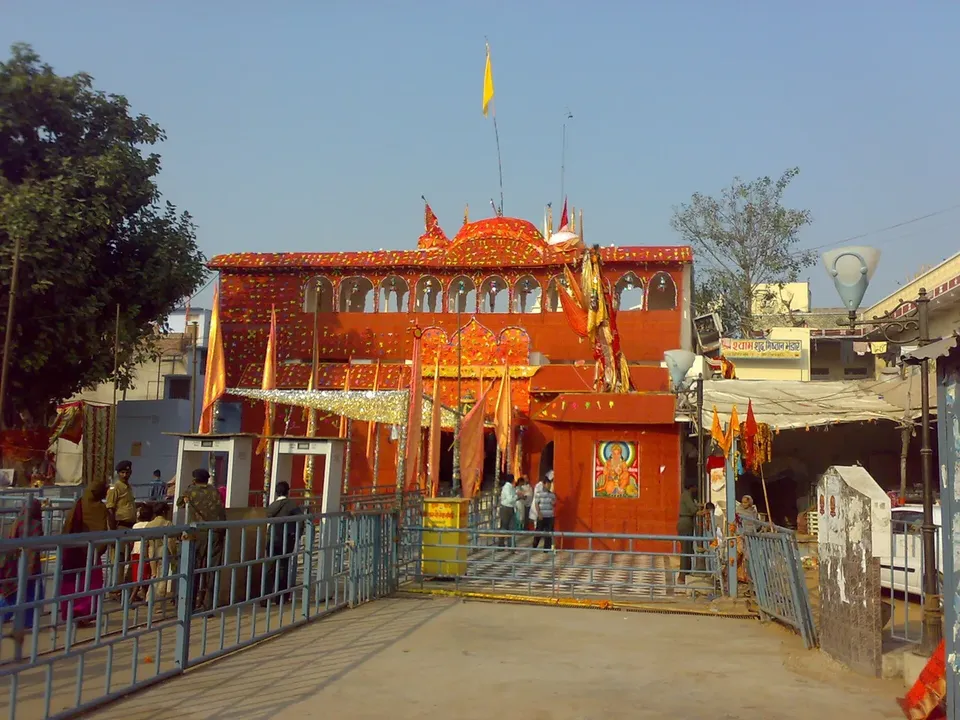
Khatu Shyam Ji is lovingly called Baba Shyam and 'Haare ka Sahara', the support of those who feel defeated. By tradition he is the brave Barbarik of the Mahabharat age, son of Ghatotkach and grandson of Bhim. His main temple is in Khatu village in Sikar district, Rajasthan, where his sheesh (head) is worshipped. By Shri Krishna's blessing he is worshipped in Kaliyug by Krishna's own name, Shyam. During the Phalgun mela, lakhs of devotees walk to Khatu carrying nishan flags, and Shyam temples across India hold bhajans on every Ekadashi. Devotees believe that Baba Shyam gives fresh courage to anyone who has lost heart.
The story
Barbarik was the son of Ghatotkach and Mother Maurvi. He was brave from childhood. Through tapasya to the Devi he received three arrows that never missed their mark, which is why he is called Teen Baan Dhaari. When the Mahabharat war was about to begin, Barbarik promised his mother that he would always fight for the side that was losing.
Shri Krishna saw that such a promise would never let the war end. Dressed as a Brahmin, he came to test Barbarik. With one arrow, Barbarik pierced every leaf of a peepal tree. The Brahmin then asked for his head as a gift. Barbarik asked him first to show his true form. When Shri Krishna appeared, Barbarik gladly gave his sheesh. Tradition says this was on Phalgun Shukla Dwadashi.
Barbarik had wished to watch the war, so Shri Krishna placed his head on a high hill. After the war, Barbarik said that everywhere he had seen only Shri Krishna's leela. Pleased, Krishna blessed him: in Kaliyug you will be worshipped by my name, Shyam.
The story goes on that centuries later, at Khatu, a cow would stand at one spot every day and milk would flow from her on its own. When the spot was dug, Baba's sheesh appeared. Raja Roop Singh Chauhan was guided in a dream and built a temple. The pond where the sheesh was found is now called Shyam Kund. The present temple took its form in 1720.
How they are shown
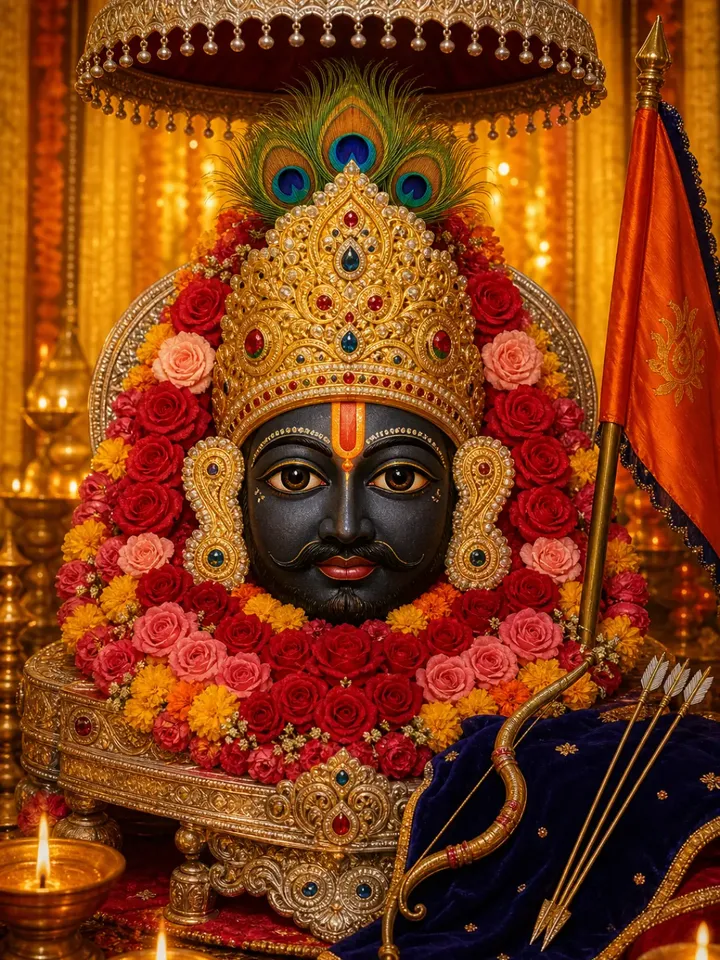
At Khatu, Baba Shyam is worshipped as a sheesh (head) made of a rare stone, adorned every day with a crown, peacock feathers and fresh flowers. The peacock feather recalls his close bond with Shri Krishna. The three arrows stand for his courage and the promise he kept. A blue horse is believed to be his mount, so devotees also call him 'Neele ka Asvaar'. His dark (shyam) colour points to Krishna's name, Shyam.
How to worship
Every Ekadashi (Gyaras), especially in the bright fortnight
Churma, kheer, mawa sweets and modak; with roses, ittar (flower perfume) and a peacock feather
After your morning bath, clean the puja place and set up a picture or small murti of Baba Shyam. Light a ghee diya and dhoop. Offer roses or a garland and a little ittar. Place churma, kheer or any sweet as bhog. Chant 'Jai Shri Shyam' 11 or 21 times, then sing the aarti 'Om Jai Shri Shyam Hare'. On Ekadashi evening, sit with the family and sing bhajans. Finally share the bhog as prasad and ask forgiveness for any mistakes.
Their festivals
- Phalgun Lakkhi Mela Phalgun Shukla Ekadashi and Dwadashi (the fair runs for several days)
- Shyam Baba Janmotsav (birthday) Kartik Shukla Ekadashi (Dev Uthani Ekadashi)
- Monthly Gyaras (Ekadashi) Ekadashi of every fortnight, especially Shukla Ekadashi
- Krishna Janmashtami Bhadrapad Krishna Ashtami
Aarti, chalisa and katha
Temples and tirth
Sources
- en.wikipedia.org/wiki/Khatu_Shyam_Temple
- en.wikipedia.org/wiki/Barbarika
- bhaktibharat.com/mandir/khatu-shyam-mandir
- navbharattimes.indiatimes.com/travel/religious-trip/who-is-khatu-shyam…
- aajtak.in/religion/festivals/story/khatu-wale-shyam-baba-seekar-rajast…
- shubhpanchang.com/hi/aarti/khatu-shyam-ji/om-jai-shri-shyam-hare
- rudraksha-ratna.com/articles/lord-khatushyamji