 Karmandir
चिंतपूर्णी माता की जय
About
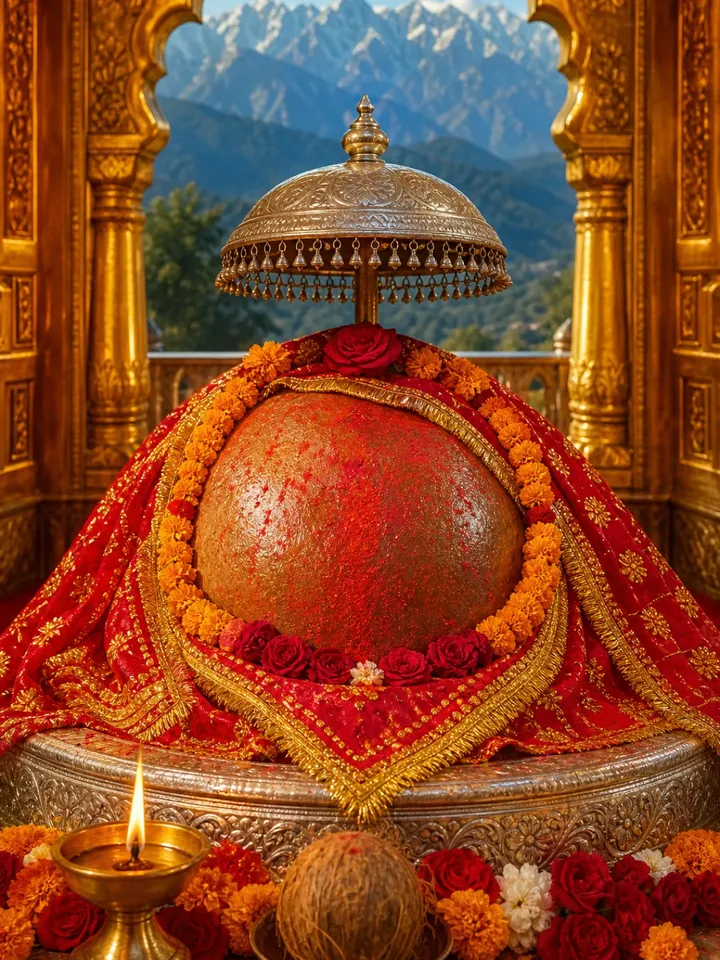
Chintpurni Mata is a form of Maa Durga whose temple stands on a hilltop of the Sola Singhi range in Una district, Himachal Pradesh. Her name means 'the Mother who takes away worries', and devotees come to place their worries at her feet. She is also called Chhinnamastika Devi. In the sanctum there is no idol but a round stone pindi. The shrine is counted among the Shakti Peeths and is one of the best-known Devi temples of North India. Many families from Punjab, Himachal and Haryana come here, especially in the Navratris.
The story
Chintpurni is counted among the Shakti Peeths, the places linked with Mata Sati. Accounts differ on which part of her body fell here; many say it was her feet.
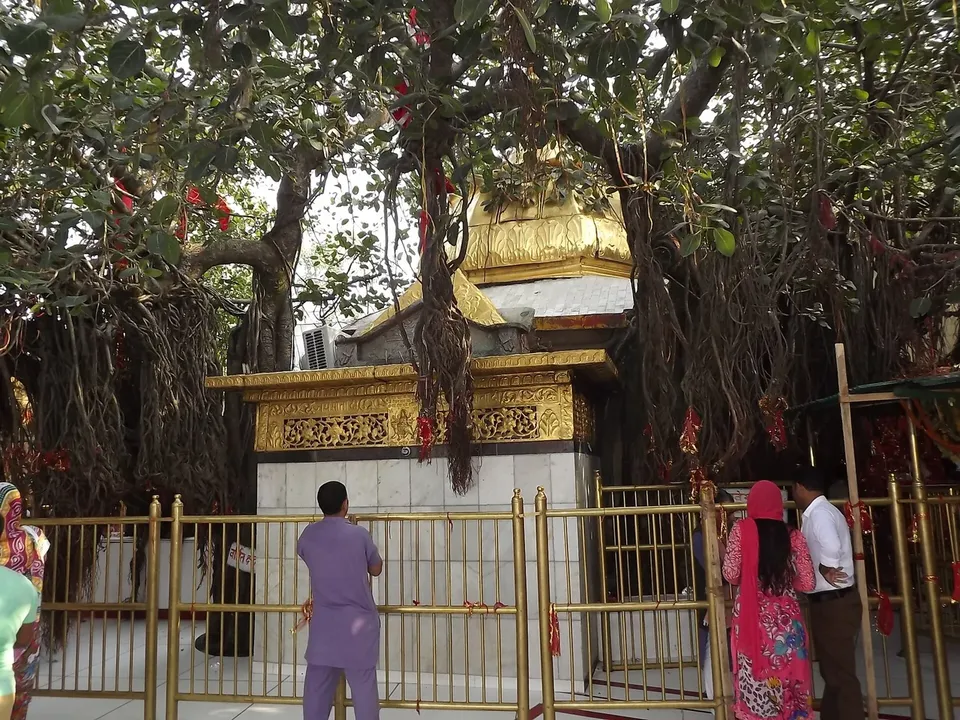
The best-known story of this shrine is about a devotee of the Mother named Pandit Mai Das. In those days the place was called Chhabroh, a quiet hill covered with forest. Mai Das worshipped the Mother with deep faith, and it is believed that she gave him darshan here and told him that she was present on this hill as a pindi. He began her daily worship, and devotees believe the Mother took away all his worries. From then on the place came to be called Chintpurni, the home of the Mother who removes worries. A stone near the temple entrance marks the spot where he is believed to have had darshan, and his samadhi is near the pond below the temple. His descendants are said to serve as the temple's priests even today.
Devotees believe that Rudra Mahadev guards the Dham from all four sides: Kaleshwar Mahadev in the east, Narayan (Narahna) Mahadev in the west, Muchkund Mahadev in the north and Shiv Bari in the south.
Her other name, Chhinnamastika, links her with Chhinnamasta, one of the ten Mahavidyas. Old texts describe that form as a picture of complete self-giving: the Mother gave all of herself to satisfy the hunger of her companions Jaya and Vijaya.
How they are shown
Here the Mother is worshipped as a round stone pindi in the middle of the sanctum, a natural form without face or limbs. It is dressed with red chunris, sindoor and flower garlands, and a small chhatra is often placed above it. The pindi reminds devotees that the Mother is beyond any one shape. Her name Chhinnamastika links her with the ten Mahavidyas, but at Chintpurni devotees see her only in this gentle pindi form.
How to worship
Ashtami of every month; many devotees also come on Sankranti and Purnima
Suji halwa with chana, laddu, barfi, kheer, batashe and coconut; devotees also offer flags and red chunris to the Mother.
Light a diya before a picture of the Mother's pindi or of Maa Durga. Offer a red chunri or red flowers, roli and a little halwa or batashe. Say 'Chintpurni Mata ki Jai', read the verse 'Durge smrita harasi' and sing the aarti 'Chintpurni chinta door karni'. Then sit quietly for a while, tell the Mother what is worrying you and leave it with her. End with a prayer for the whole family and share the prasad.
Their festivals
- Chaitra Navratri Chaitra Shukla Pratipada to Navami
- Sawan (Shravan) Navratri mela The first ten days of Shravan Shukla; the biggest crowds come on Ashtami, the eighth day
- Sharad Navratri Ashwin Shukla Pratipada to Navami
Aarti, chalisa and katha
Temples and tirth
Sources
- matashrichintpurni.com/history-and-mythology.php
- hi.wikipedia.org/wiki/चिंतपूर्णी
- en.wikipedia.org/wiki/Chintpurni
- hindu-blog.com/2024/06/chintpurni-mata-history-and-story.html
- aajtak.in/religion/chalisa/chintpurni-mata-chalisa-2528808
- amarujala.com/shimla/the-state-s-shaktipeeths-are-decorated-sharadiya-…
- bhaktibharat.com/aarti/mata-shri-chintpurni-devi
- hpuna.nic.in/tourist-place/mata-chintpurni/ (District Una, Government…